


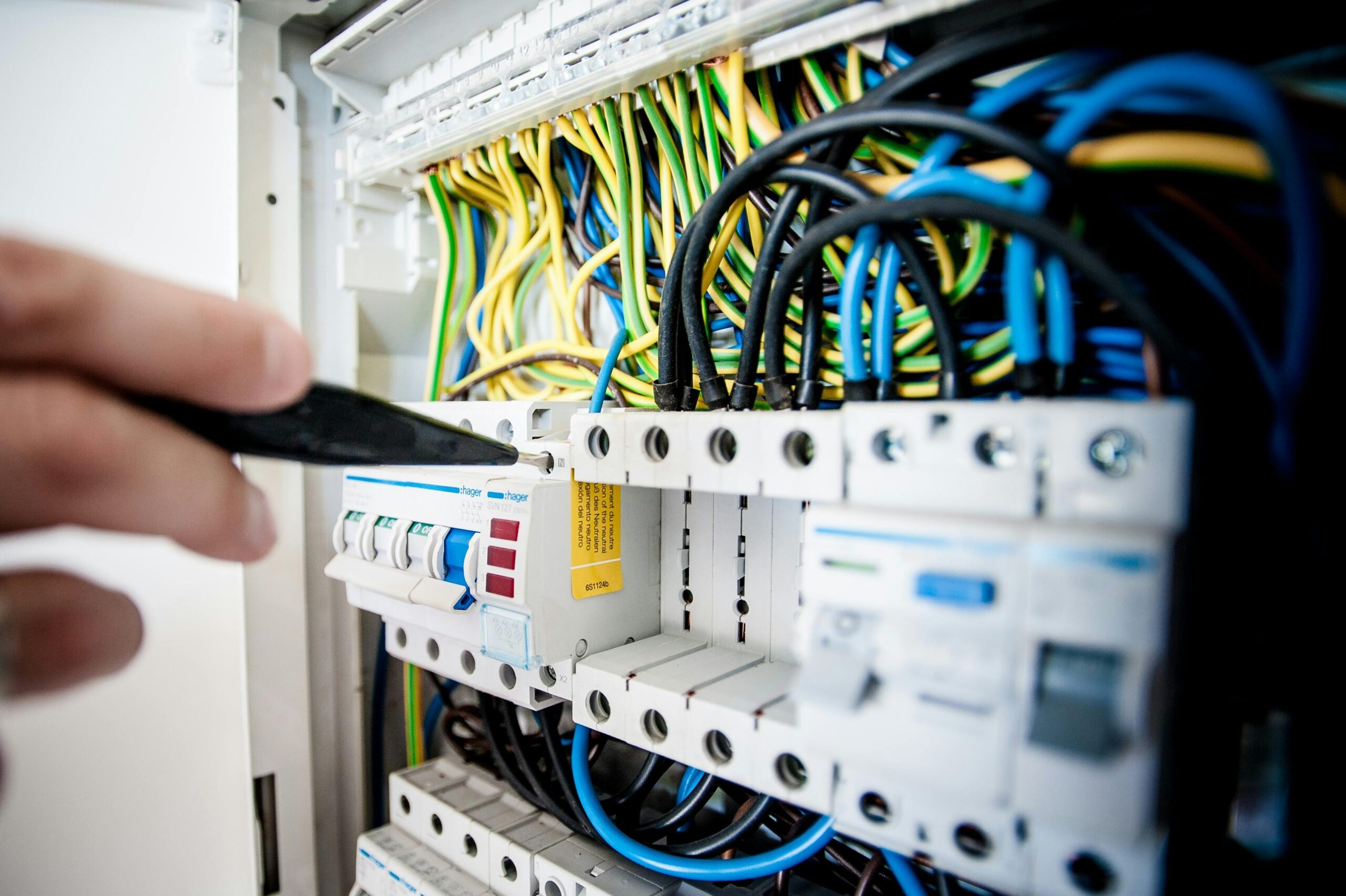
As winter energy demands surge and the costs diverge sharply across the continent, new Eurostat data shows Malta enjoys the second cheapest household electricity in the European Union.
Newly released figures for the first half of 2025 paint a picture of a deeply divided European energy landscape with the Russian war exacerbating the situation, with some nations facing bills several times higher than others. While Western European households grapple with soaring costs, Malta stands out for its remarkably low and stable electricity tariffs thanks to large subsidies.
The data reveals that the cost of 100 kWh of electricity for households ranges from a high of €38.4 in Germany to a low of €6.2 in Turkey, which is not an EU member state.
The average across 38 European countries sits at €28.7. Following Germany, the most expensive electricity is found in Belgium (€35.7) and Denmark (€34.9), with Italy, Ireland, and Czechia also exceeding the €30 mark.
Malta on the other hand, enjoys one of the lowest nominal rates in the EU at just €12.40 per 100 kWh, a price point that significantly cushions households from the energy shocks that have affected much of the continent since Russia’s invasion of Ukraine.
Purchasing power puts Malta in an even better light
A deeper analysis using Purchasing Power Standards (PPS), which adjusts for differences in income and cost of living, further burnishes Malta’s credentials. This metric reveals the real burden of an electricity bill relative to what people earn.
When viewed through this lens, the gap between the most and least expensive countries narrows, but Malta’s advantage remains pronounced. With a PPS of 13.7, Malta is ranked among the very cheapest for adjusted electricity costs, alongside Turkey (14 PPS) and Hungary (15 PPS). This places Malta significantly below the EU average of 28.6 PPS and far from the most burdensome markets like Czechia (39.2 PPS) and Poland (35 PPS).
Furthermore, Malta was one of the few countries to see a decrease in its PPS for electricity, recording a -2.2 per cent change between 2024 and 2025, an improvement in affordability.
This sustained affordability is no accident. It is the direct result of a long-standing government policy that has shielded consumers from volatile international energy markets through substantial subsidies. These have been delivered via a combination of direct benefits for eligible individuals and a broader fixed-price policy for all.
The future of this model is a topic of active discussion.
While the Government is nominally in favour of a gradual phasing out, it has signalled its intention to keep them going for as long as possible. Despite calls from the EU Commission to phase them out, the Government feels it is essential for both economic and political stability. Even the Leader of the Opposition has indicated his commitment to the subsidies.
These subsidies have cost Malta well over €1 billion since 2022.
In a recent post-budget interview with WhosWho.mt, Finance Minister Clyde Caruana recalled the increase in energy prices experienced in Malta between 1996 and 1998 and again from 2006 to 2013, saying, “We all know how it ended.” Both those periods ended with a change in government.
As winter tightens its grip and the long shadow of the Ukraine conflict continues to influence energy markets, Malta’s consumers and businesses can, for now, find significant relief in their electricity bills. The challenge will be to manage the transition away from blanket subsidies without eroding the competitive and cost-of-living advantage that affordable power provides.
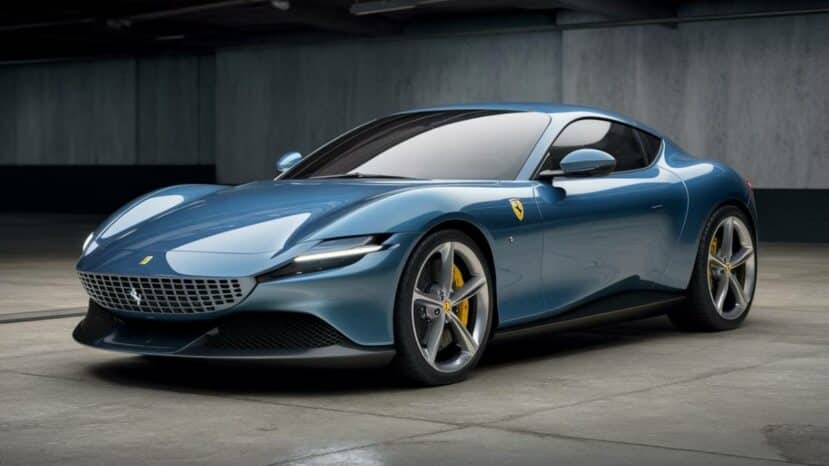
Ferrari unveils ‘Luce’: Its first fully electric supercar set for 2028
Pricing is anticipated to sit well above €500,000
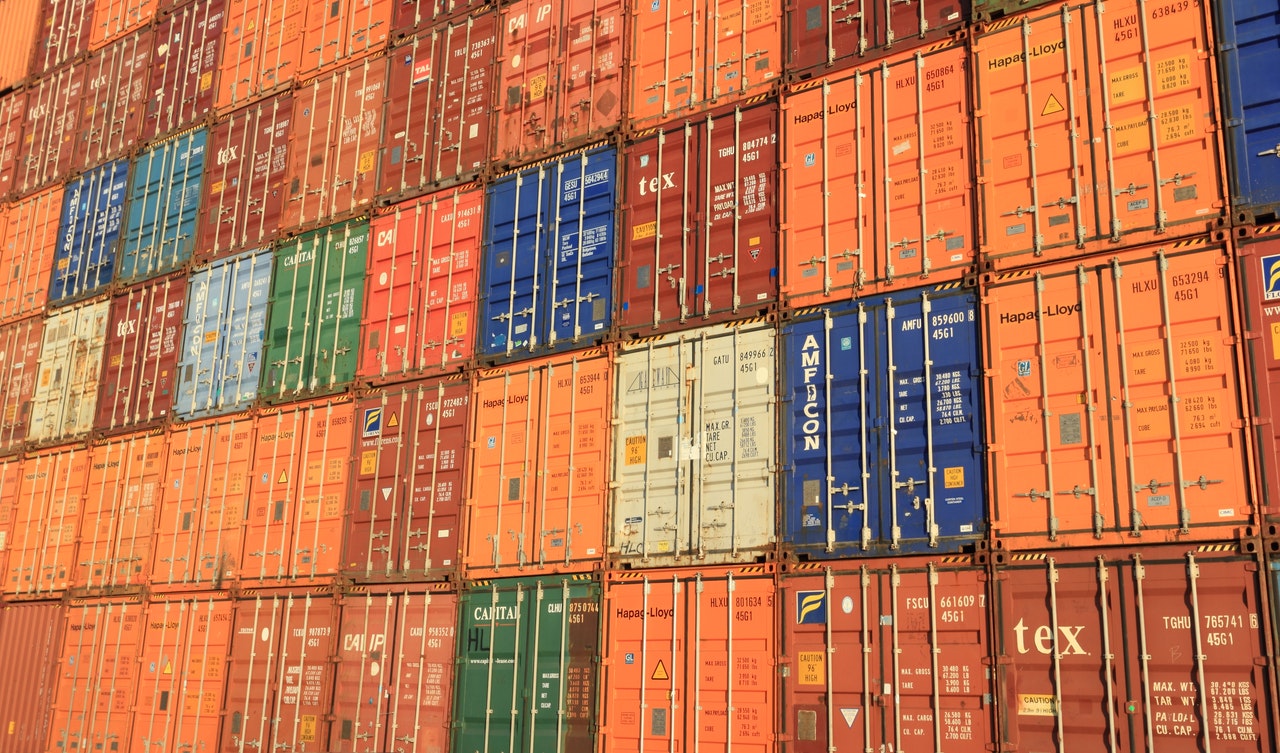
Malta’s trade deficit narrows as import shifts and export rebalancing continue in 2026
Over the full year, Malta’s trade deficit narrowed by €444.1 million compared with 2024

Thinking of housing as part of an urban system: what Malta can learn from Singapore’s public housing
Five lessons we can take from the nation twice the size of Malta