


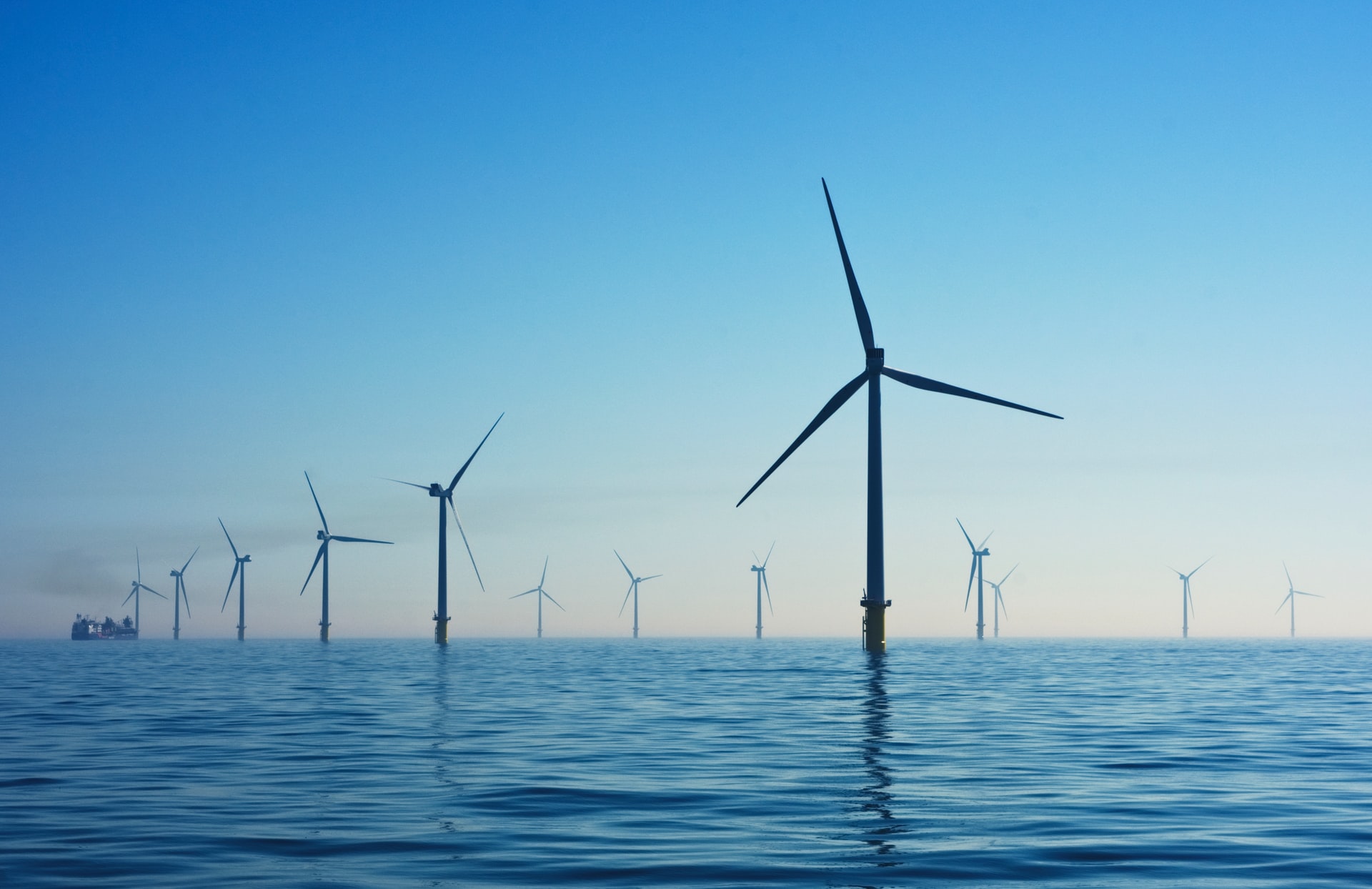
Malta continues to lag significantly behind the EU when it comes to renewable electricity generation, at a time when the country’s heavy reliance on imported energy is coming under renewed scrutiny amid volatile international oil prices.
New figures published by Eurostat on Friday show that renewable sources accounted for 24.5 per cent of electricity generated in Malta during the second quarter of 2026.
Only Slovakia, at 19.8 per cent, and Czechia, at 20.9 per cent, recorded lower shares.
By comparison, renewables generated 54.1 per cent of electricity across the EU as a whole during the quarter, meaning Malta’s share was less than half the EU average. The EU figure was marginally lower than the 54.3 per cent registered during the corresponding period of 2025.
At the opposite end of the ranking, Latvia generated 97.7 per cent of its electricity from renewable sources, followed by Denmark at 94.3 per cent and Croatia at 92.2 per cent.
Solar increasingly important across Europe
Solar energy has become the largest source of renewable electricity across the EU, accounting for 41.6 per cent of renewable electricity generation during the second quarter.
Its share increased considerably from 37 per cent during the same quarter last year.
Wind accounted for another 27.7 per cent, while hydropower represented 22.6 per cent. Combustible renewable fuels contributed 7.7 per cent, with geothermal and other renewable sources making up the remaining 0.4 per cent.
Eurostat cautions that the figures measure the share of renewables in net electricity production, rather than the separate share of renewable energy in gross electricity consumption used to monitor progress under the EU's Renewable Energy Directive.
Nevertheless, Malta’s position near the bottom of the EU ranking comes at a particularly significant time for the country’s energy sector.
Malta heavily exposed to imported energy
The figures add another dimension to Malta’s exposure to international energy markets.
Recent Eurostat data showed that Malta recorded a net trade deficit in energy products equivalent to 5.4 per cent of GDP in 2025, the highest proportion in the EU.
The country is also almost entirely dependent on imports for its oil requirements. In 2024, net imports accounted for 99.6 per cent of Malta’s oil requirements, placing the country among Europe’s most oil-import-dependent economies.
The combination of a relatively low share of domestically generated renewable electricity, near-total oil import dependence and a sizeable energy trade deficit highlights Malta’s exposure to movements in international energy markets.
That vulnerability has returned to the fore following the sharp increase in international oil prices this year amid the conflict in the Middle East and disruption surrounding the Strait of Hormuz.
Energy shock puts pressure on European economy
The impact of higher energy prices is also being felt through European monetary policy.
On 10th September, the European Central Bank raised its three key interest rates by 25 basis points, saying that the Middle East conflict continued to generate inflationary pressures and that inflation was expected to remain above its two per cent target for an extended period.
The deposit facility rate now stands at 2.50 per cent, the main refinancing operations rate at 2.65 per cent and the marginal lending facility at 2.90 per cent.
The ECB expects headline inflation to average three per cent in 2026, 2.5 per cent in 2027 and 2.1 per cent in 2028. It has stressed that future decisions will remain dependent on incoming economic and financial data and that it is not committing itself to a predetermined interest-rate path.
For Malta, the international energy shock is particularly relevant given the economy’s dependence on imported energy and the Government’s decision to continue insulating consumers from movements in international energy prices.
Finance Minister Clyde Caruana told BusinessNow.mt earlier this year that the Government remained committed to energy price stability despite fluctuations in oil prices.
Malta has budgeted €172 million for energy support measures in 2026, compared with an estimated €152 million in 2025. The subsidies, introduced in 2022, have been used to shield households and businesses from increases in electricity prices.
Related

PA CEO resigns as director of his consultancy firm
The PA CEO remains the sole shareholder of the consultancy firm, under his legal name 'John Buttigieg'
Maltese innovation leaders propose tax incentives for environmentally responsible commuters
The proposal was one of five proposed by stakeholders at a Sustainable Mobility Mixer
Insurance association calls for compulsory helmets on e-scooters
The Association had first proposed the use of compulsory helmets seven years ago