


Malta has obtained several derogations and decisions at EU level that are expected to boost agriculture and fisheries, ensuring that the industries making up the Malta’s primary sector are able to aim for long term sustainability.
The outcomes emerge from a meeting of the Council of Agriculture Ministers in Luxembourg, for which Minister for Agriculture, Fishing, Food and Animal Rights Anton Refalo was in attendance.
The first derogation permits more direct assistance to farmers through the Common Agricultural Policy (CAP).
Last November, Maltese MEP Alfred Sant lambasted the European Parliament’s plan for the Policy after a derogation he submitted for inclusion was dismissed.
Without the derogation, direct Government aid to farmers through the Voluntary Coupled Assistance scheme would have been limited to an estimated €650,000 annually.
The derogation agreed in the Council meeting this week, just like that submitted by Dr Sant to the European Parliament, allows that figure to rise to €3 million, support which the MEP insisted is crucial for the dairy, beef and tomato sectors, among others.
Thanks to this direct aid, the Maltese Government can ensure the attainment of the goals set out in the ‘Farm to Fork’ strategy, which aims to construct shorter supply chains and greater food security, while ensuring the sector’s sustainability.
Malta was also able to obtain assurances that the definition of rural zones would be determined by the Member States themselves, thereby ensuring that Malta’s rural areas continue to benefit from the Rural Development Fund to address their territorial realities.
A new element in the new CAP reform is the introduction of eco-schemes. Here, Malta achieved important guarantees that the scheme would include the necessary flexibility, including in the rebate mechanism, to recognise the efforts made by farmers in the second pillar of the CAP.
A derogation exempting small farmers from certain environmental obligations was also confirmed, thus reducing their administrative burden.
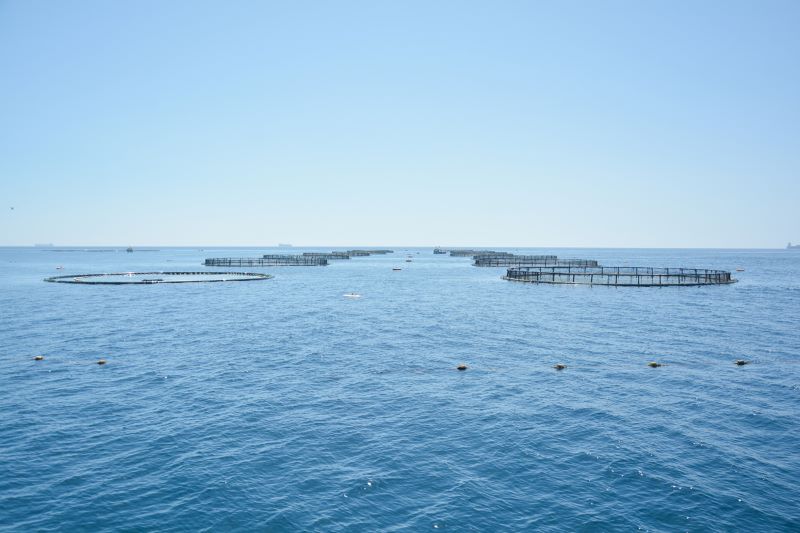
Finally, the Council also formally adopted an increase of almost 1,500 tonnes in the maximum allocation of tuna that can be farmed in Maltese fish farms this year.
In a statement, the Ministry for Agriculture said that this was a decision that the Maltese Government had successfully negotiated over the last months, and stated that the increase is expected to breathe new life in the important tuna sector.
Featured Image:
A fish farm in Malta | MFF.com.mt


ACE: VAT cut to 7% ‘primarily aimed at supporting industry’, with consumers only indirect beneficiaries
ACE says it has long advocated for a VAT reduction
Malta’s rubbish recycling rate places it among EU’s worst performers
Malta continues to lag significantly behind leading performers such as Germany
EU-funded acceleration programme targets Maltese blue economy startups
Equity-free funding, international pilot testing and investor connections are on offer for Maltese startups through the MED-Hubs programme