


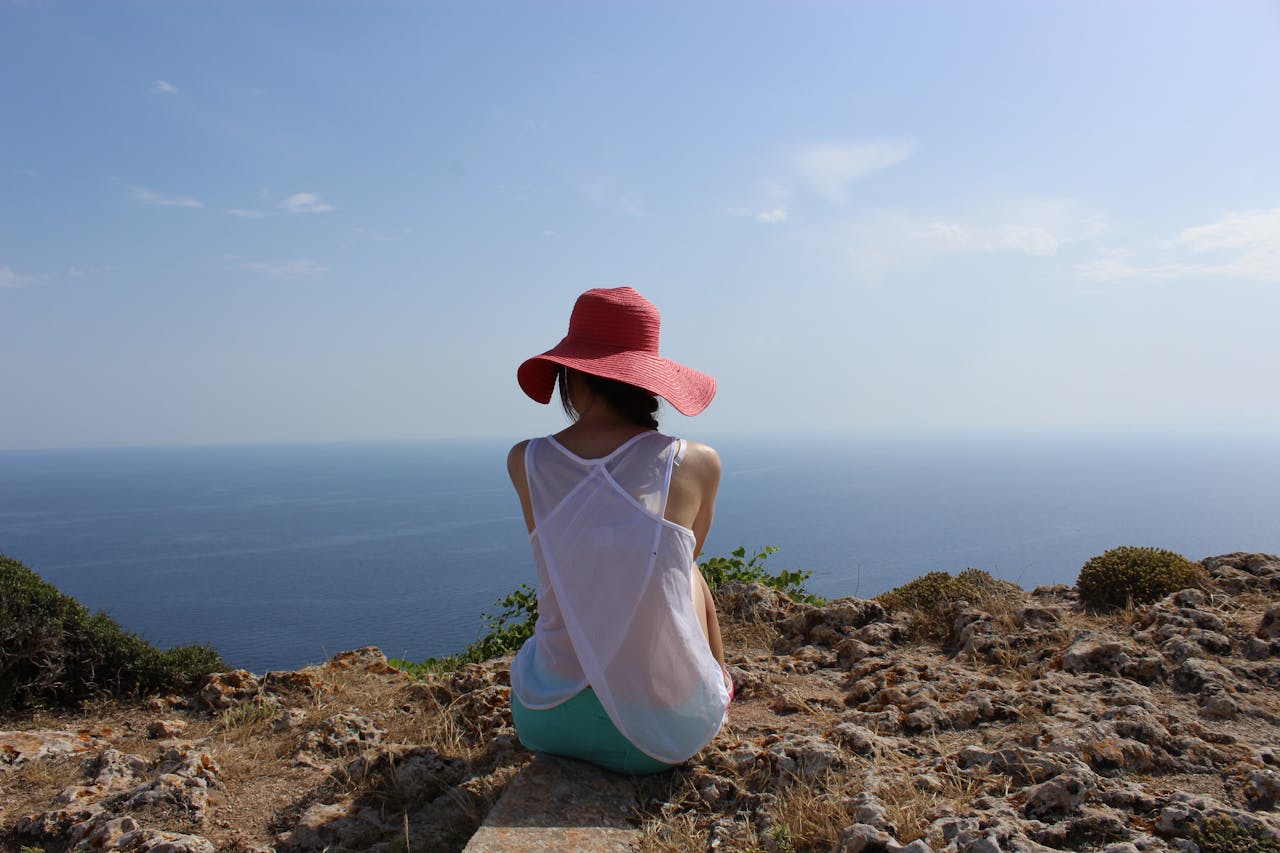
Malta has been named among the best countries for a digital nomad to relocate to, placing sixth in a ranking dominated by European countries.
Global Citizen Solutions’ Global Digital Nomad Report compiled data on digital nomadism legislation across 65 jurisdictions, integrating this data with metrics on quality of life, cost of living, tax optimisation, and technology and innovation.
“In short, it's a mix of how good the nomad visas are with the quality of life of the destination and not a destination ranking per se,” said NOMADX CEO Goncalo Hall, who was not involved in compiling the report, in a social media post.
Commenting on the findings, Mr Hall noted that a substantial portion of digital nomads earn over $50,000 annually, with “a small but notable percentage earning in excess of $1 million.”
Of the top 10 destinations, nine were in Europe, with only Canada found in another continent.
The top spot was held by Spain, which made it to the top 10 in all five sub-indexes. There Spanish nomad visa scheme was singled out for its attractive cost and benefits, while the country also ranked high in tax optimisation and in cost of living.
The Netherlands placed second, followed by Norway, Estonia and Romania.
In sixth place was Malta, largely on account of the benefits offered by its visa, which countered the relatively low score given to Malta’s “economics” where it placed 57th from the countries surveyed.
On visa costs, Malta ranked 36th, while on quality of life, it ranked 25th. On tech and innovation, Malta ranked 16th.
Related
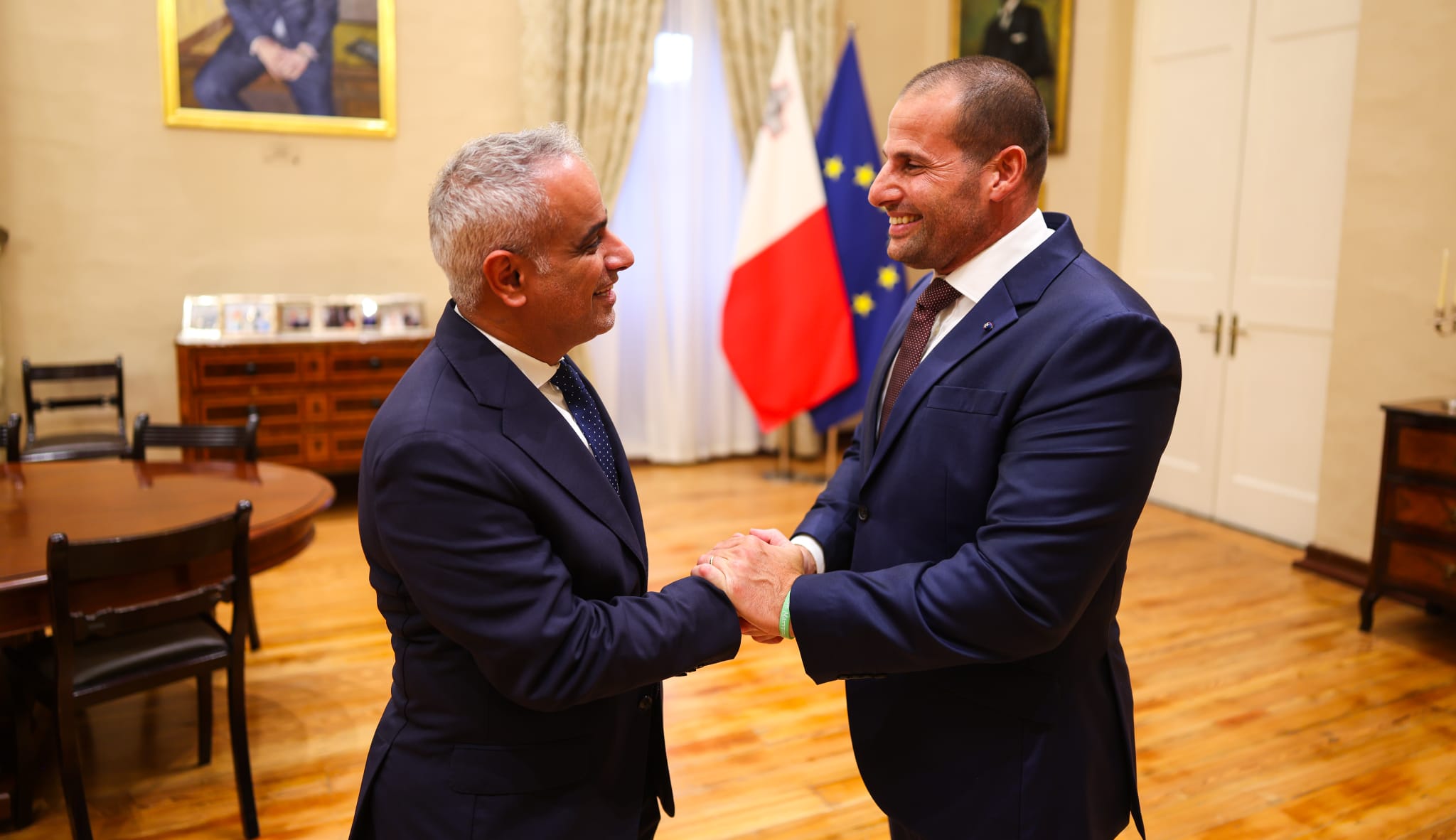
UAE ambassador highlights opportunities across key sectors during Malta business roundtable
The event brought together leading Maltese business executives, investors, and institutional stakeholders
EU-China reach deal to curb hybrid car imports
'Sudden and rapid rise in imports' of hybrid electric vehicles from China 'having a destabilising effect,' association says
TradeMalta scraps entry fees for 2027 International Business Awards
Entry fees scrapped for the first time to encourage more participation