



According to the International Monetary Fund (IMF), Malta’s economy is expected to remain the fastest-growing in the eurozone up to 2030.
While the average GDP growth among eurozone countries is projected at 1.1 per cent in 2030, Malta is estimated to achieve a growth rate of around four per cent, nearly four times the regional average.
Contributing to these results, Malta’s current account balance – which measures how much the country earns from the rest of the world compared to what it spends abroad – showed a surplus more than double the EU average in 2024, at 5.5 per cent, compared to 2.6 per cent across the bloc.
This figure is projected to decrease slightly to 4.4 per cent by 2026, while the EU average is expected to fall to 2.2 per cent.
The IMF forecasts that consumer prices in Malta will rise to 2.4 per cent in 2025, slightly above the EU average of 2.2 per cent, but are expected to stabilise by 2030 at 2.0 per cent, in line with the EU average.
Unemployment is projected to continue declining, reaching around 2.5 per cent, well below the EU average of 6.4 per cent during the same period.
The IMF’s World Economic Outlook for October notes that the global economic environment remains uncertain.
Key factors include fluctuating trade policies, reductions in international development aid, immigration restrictions in advanced economies, and fiscal stimulus measures that may challenge the sustainability of public finances.

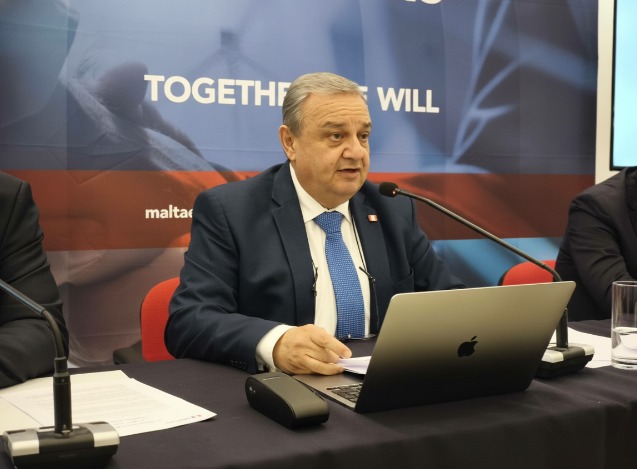
Education system ‘stifles creativity’, Malta Employers’ chief says as association calls for ‘transformation’
Association's Director General says system is geared towards conformity

MFSA flags missing information in pension statements
Some pension statements omitted key details on investments, fees, contributions and account changes
Budget should support sustainable economic growth, promote financial stability – BOV
Maintaining a stable and predictable business environment, encouraging investment in productivity remain important, it said