


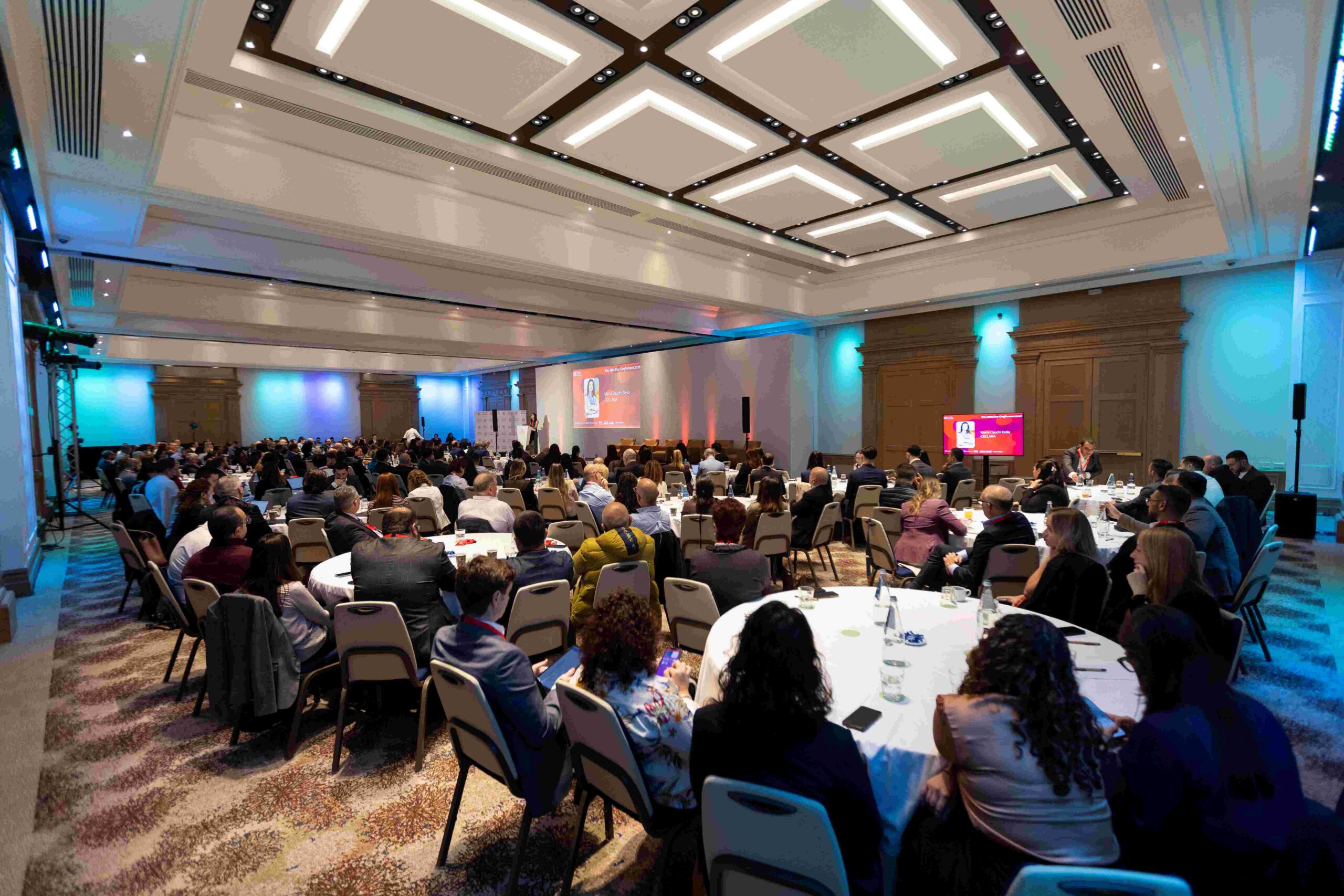
Addressing the Malta Institute of Accountants’ (MIA) Annual Tax Conference, CEO Maria Cauchi Delia called for a broader approach to strengthening Malta’s international competitiveness, with greater emphasis on productivity, skills and investment rather than reliance on tax alone.
Turning to tax policy, Ms Cauchi Delia identified certainty, proportionality and collaboration as guiding principles for a credible, transparent tax system that meets Malta’s international obligations. She called for clear rules, consistent interpretation and reforms that reduce administrative burdens without weakening standards.
On the wider drivers of competitiveness, she highlighted digitalisation, automation and upskilling as essential to higher-value growth. She stressed that attracting and retaining talent also requires attention to housing, living costs and family needs.
In this context, Ms Cauchi Delia addressed the Budget measures affecting third-country nationals (TCNs). While the Institute shared Government’s productivity objectives, she cautioned that automation and skills development take time. She called for a fair, sector-sensitive transition, supported by clear guidance, to safeguard essential expertise, service continuity and the workers and families affected.
In his keynote speech, Commissioner for Tax and Customs Joseph Caruana highlighted the challenges facing tax administrations amid significant transformation. He stressed the importance of aligning tax policy with digital developments and involving tax and IT experts early in the legislative process to ensure measures are practical and implementable. He also emphasised the need to view Malta’s tax frameworks within a wider context, balancing fairness and genuine simplification with proportionate compliance requirements.
Mr Caruana highlighted the MTCA’s focus on ‘compliance by design’, including the use of artificial intelligence to strengthen compliance models and streamline reporting and stressed that digitalisation should deliver tangible benefits for both taxpayers and tax administrators, with implementation considerations reflected in policymaking and Budget measures.
The conference also featured a series of panel discussions examining topical developments in international and domestic taxation.
Discussions covered the recent budget measures, transfer pricing, VAT and eco contribution updates, gaming-related developments, the DAC Recast initiative and its implications for tax reporting and information exchange, the EU Tax Omnibus Package, electronic invoicing, digital transformation and the latest customs developments affecting international trade and cross-border business operations.
The programme also included two breakout sessions, one that discussed VAT and tax developments in the financial services sector and one that dealt with succession planning for family businesses with practical insights into achieving a smooth and tax-efficient transfer of wealth.
In his concluding speech, MIA President Jonathan Dingli noted that the conference had highlighted the many challenges surrounding tax policy, emphasising that its application goes beyond the interpretation of legislation and must ultimately translate into tangible best practice.
“What matters is how developments translate into practical outcomes. Achieving the right balance between efficiency, compliance and successful implementation requires clear guidance, consistency and expertise. Ultimately, our competitiveness depends on providing businesses with the certainty they need and ensuring they have a clear understanding of their obligations.”
He also stressed the important role of the accountancy profession in supporting the effective implementation of legislation, particularly given its direct impact on businesses. He noted that the experience and expertise of accountants should contribute to the continuous strengthening of standards and practices, while highlighting the conference as an important opportunity to further strengthen dialogue and collaboration between the authorities and the profession.
“Such dialogue is essential to bridging the gap between policy and practice, ensuring that legislative developments are translated into effective implementation and meaningful outcomes for businesses.”
The conference was held at The Westin Dragonara Resort, with the support of the Malta Tax and Customs Administration and the sponsorship of Scope, KPMG, Grant Thornton, Bank of Valletta (BOV), BDO, Computime and Forvis Mazars.
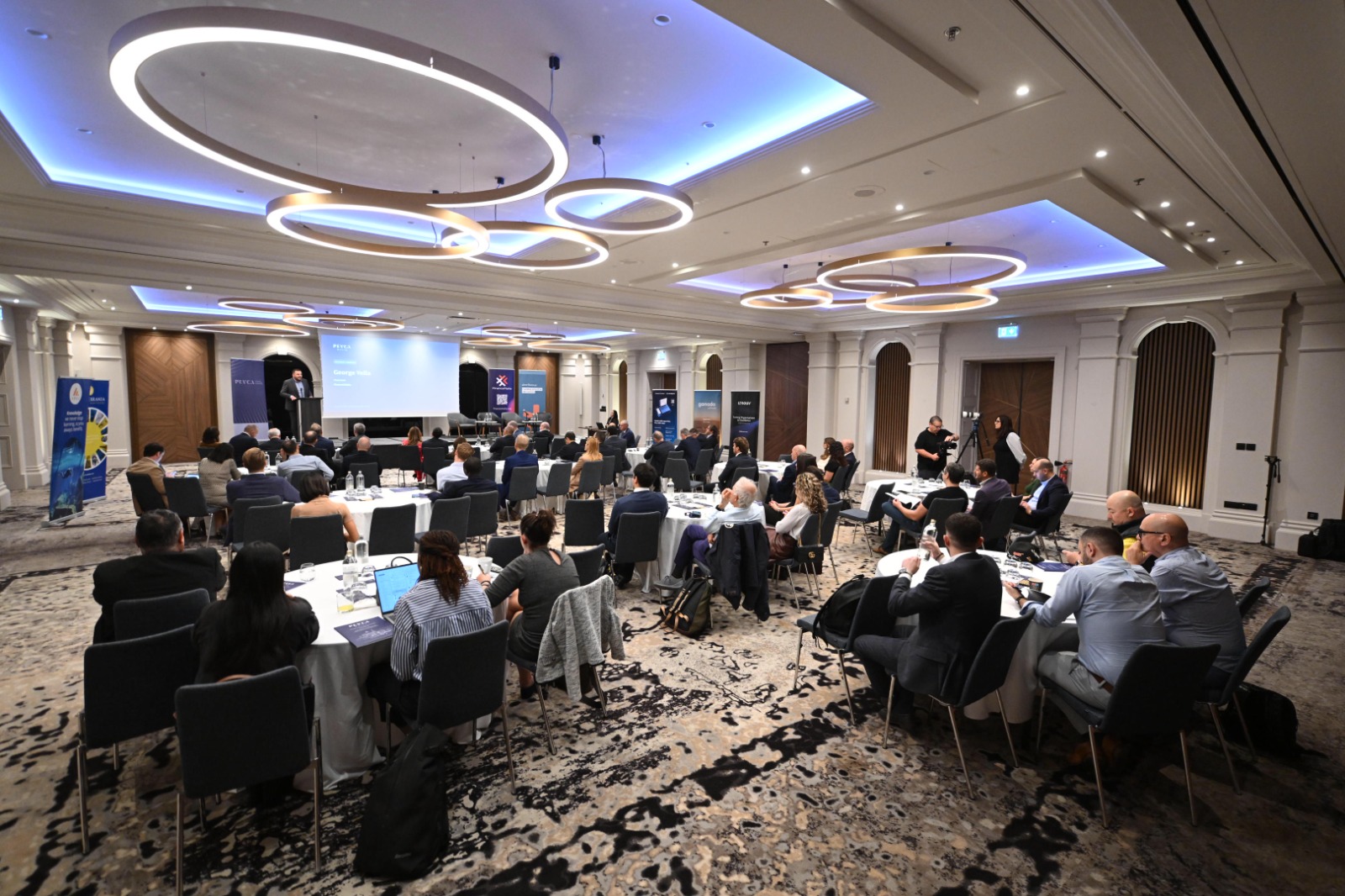

The daves app is taking 24/7 convenience to another level
The company is aiming to have a store within 10 minutes of customers across Malta’s more densely populated areas
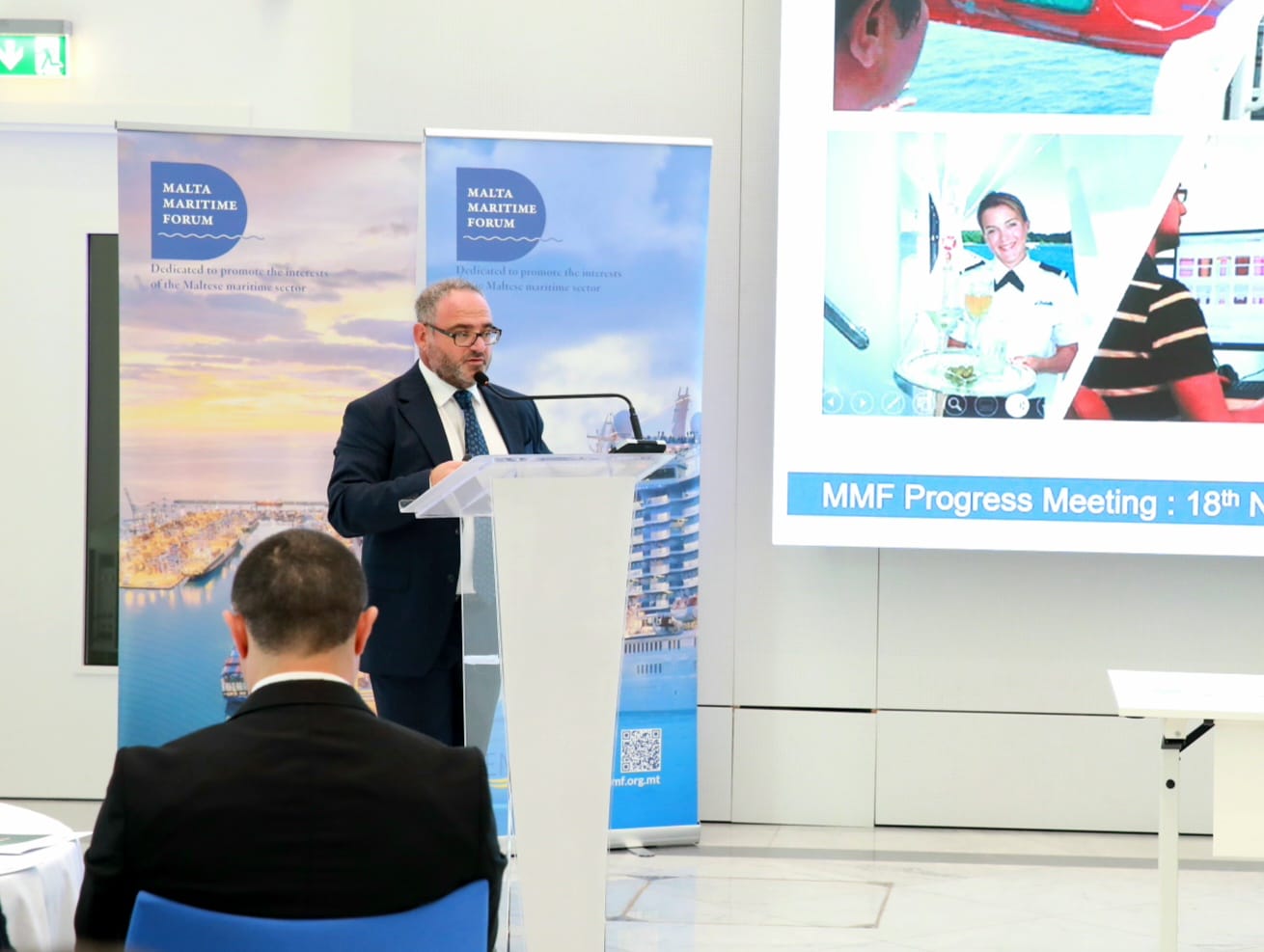
Maritime industry contributes €1 billion to Maltese economy, new study finds
Direct employment also increased, from 8,831 to 13,329
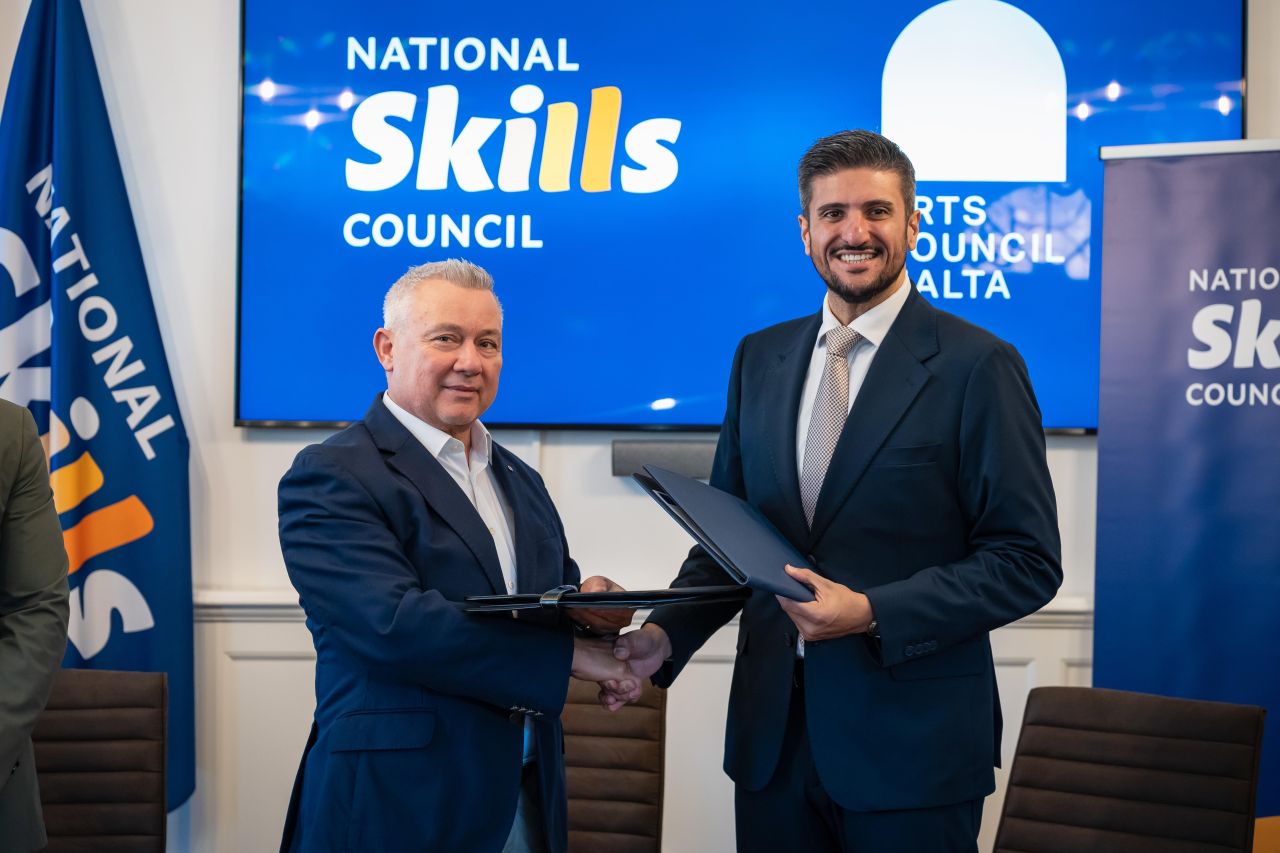
National Skills Council signs agreement with Arts Council to strengthen career guidance
Partnership will explore skills gaps, strengthen career guidance and identify opportunities for joint initiatives