


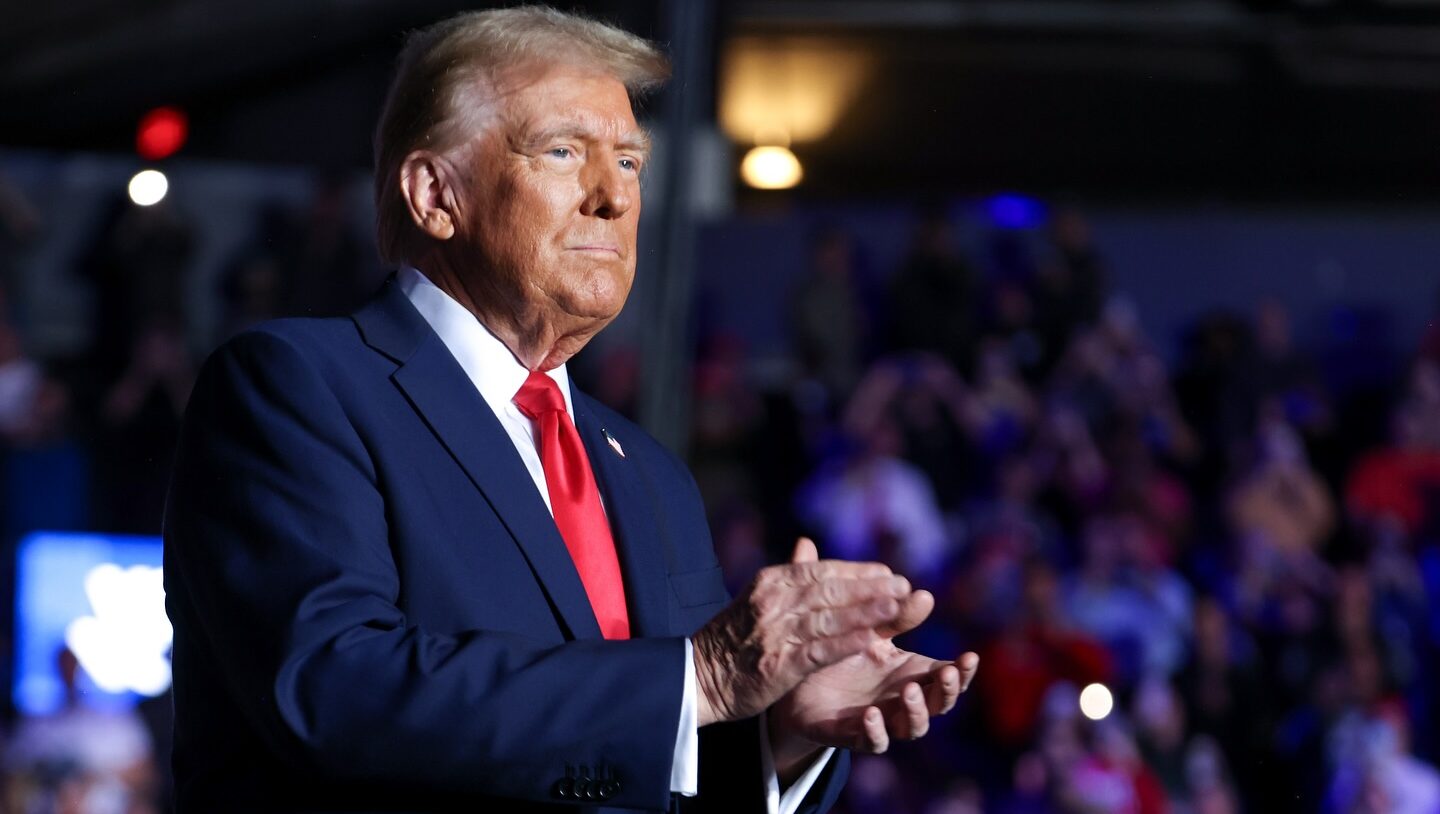
A new trade agreement between the United States and the European Union, announced on Sunday (yesterday), is expected to deliver substantial benefits for Malta’s high-value export sectors – particularly in electronics, pharmaceuticals, and advanced manufacturing.
The deal sets a maximum 15 per cent tariff on most EU exports to the US, effectively neutralising the risk of a full-blown trade war while reinforcing long-term trade stability between the two global blocs. Crucially, it also introduces zero-tariff provisions on strategic goods such as semiconductor equipment, pharmaceutical components, and select chemicals – categories that strongly align with Malta’s current export profile.
Exports to the US on the rise
According to Malta’s National Statistics Office (NSO), the United States accounted for the single largest year-on-year increase in Maltese exports in 2024, with total goods shipments to the US increasing by approximately €146 million. US Census data shows that Malta exported around US $361 million in goods to the U.S. last year, while importing US $220 million – yielding a healthy bilateral trade surplus.
Over 58 per cent of Maltese exports to the US fall within the “computer, electronic and optical products” category, which includes semiconductors, medical imaging equipment, and precision instruments.
Deal reinforces duty-free access in strategic sectors
One of the most notable features of the new agreement is the exemption of high-tech and pharmaceutical goods from any duties. These include:
- Semiconductor manufacturing equipment
- Optical and medical devices
- Generic pharmaceuticals and active ingredients
- Aircraft components and certain raw materials
Malta, home to a cluster of international electronics and life sciences manufacturers, is therefore expected to retain or even enhance its competitive edge in exporting to the US market.
Predictability, stability, and investor confidence
Before the deal, the US had been weighing punitive tariffs as high as 30 per cent on EU imports. Malta, however, already benefitted from an effective US tariff rate of just 3.9 per cent, thanks to product-specific exemptions under existing US trade schedules.
The new agreement locks in this favourable position by:
- Preventing the imposition of sweeping tariffs on sensitive goods
- Institutionalising exemptions that benefit Malta’s largest export categories
- Creating a framework for further liberalisation in sectors like medical devices, biotech, and high-performance electronics
These elements not only protect Malta’s current trade flows, but also provide the predictability needed to attract new foreign direct investment (FDI) into export-focused manufacturing.
What it means for Malta’s trade strategy
Malta’s economic development model relies heavily on export-led growth and investment in high-value production. With the US as one of its fastest-growing non-EU markets, the country stands to gain significantly from improved market access and reduced barriers.
In particular, the deal is expected to:
- Reduce costs for Malta-based exporters operating in U.S. markets
- Encourage expansion in high-tech sectors with favourable duty treatment
- Reinforce Malta’s role as an EU-based manufacturing hub serving global supply chains
Looking ahead
While the agreement is still subject to some sector-specific negotiations – particularly in steel, spirits, and automotive goods – Malta’s core exports are largely insulated from future uncertainty. This provides a stable and attractive environment for export-driven investment in the years ahead.
As global markets continue to navigate geopolitical volatility, the US – EU trade deal offers a clear signal of renewed transatlantic cooperation – and for Malta, a unique opportunity to deepen its role in high-value global trade.

Related
More planning appeals filed in Sliema than anywhere else in Malta
St Julian’s and St Paul’s Bay followed Sliema with 32 third-party appeals each during a six-year period
Enemalta gradually restoring electricity following widespread power cut
It has not yet indicated when electricity supply is expected to be fully restored
Who really holds the power in Malta’s maritime sector? New study maps the key players
New research examines how power, legitimacy and urgency are distributed among the key players in Malta’s maritime logistics sector