



Malta’s economic growth moderated to 3.1 per cent in the first half of 2025, yet still exceeded the euro area’s performance during the same period, according to the Central Bank of Malta’s Interim Financial Stability Report 2025.
Growth was driven primarily by domestic demand, even as persistent geopolitical tensions and a weak external environment weighed on sentiment across Europe.
The euro area economy expanded by 1.3 per cent year-on-year, supported partly by one-off front-loading of exports ahead of newly announced US tariffs. Malta therefore continued to outpace the bloc by a significant margin, maintaining its role as one of the fastest-growing economies in the EU.
While euro area inflation continued easing to reach 2 per cent, Malta experienced a slight uptick, rising to 2.5 per cent by June 2025. The Central Bank attributes this to “rising prices for food and tourism-related services,” in contrast with broader European disinflation driven by lower energy prices, weaker external demand, and moderate wage growth .
Despite a softer economic backdrop and shifts in monetary policy, Malta’s banking sector remained well-capitalised and highly liquid. Capital and liquidity metrics remained well above regulatory thresholds, and local banks continued to demonstrate strong asset quality. The non-performing loan (NPL) ratio fell further, reaching 1.9 per cent, while provisioning levels were deemed adequate.
However, profitability among core domestic banks declined somewhat due to lower net interest income following the ECB’s monetary policy easing. International banks operating in Malta reported losses driven by higher non-interest expenses and reduced non-interest income.
Even so, core domestic institutions remained “highly profitable,” recording stronger profitability ratios than the EU average .
Credit growth remains robust but increasingly concentrated
Resident credit grew by 6.9 per cent year-on-year by June 2025, driven mainly by mortgage lending (up 9.2 per cent) and lending to property-related non-financial corporations (up 8.1 per cent). This reinforced the rising concentration of credit exposure in real estate-linked sectors, which now account for nearly three-quarters of all resident lending.
While asset quality remains solid, the bank notes a rise in Stage 2 loans – potential early signs of future credit deterioration – requiring closer monitoring.
The Central Bank’s stress test framework showed that banks would remain above capital requirements even under adverse interest rate scenarios. Liquidity stress tests – including persistent deposit withdrawal (PDW), LCR, and NSFR assessments – also confirmed that institutions maintain strong liquidity buffers.
Outlook
Looking ahead, the bank expects Malta’s GDP growth to moderate to 3.9 per cent in 2025 and then ease gradually to 3.3 per cent by 2027. Private consumption will remain the primary driver of growth, supported by continued labour market strength, while inflation is expected to converge to 2 per cent by 2027.
However, risks remain tilted to the downside, particularly due to heightened geopolitical tensions, the impact of global protectionist measures, and rising concentration in property-related lending.

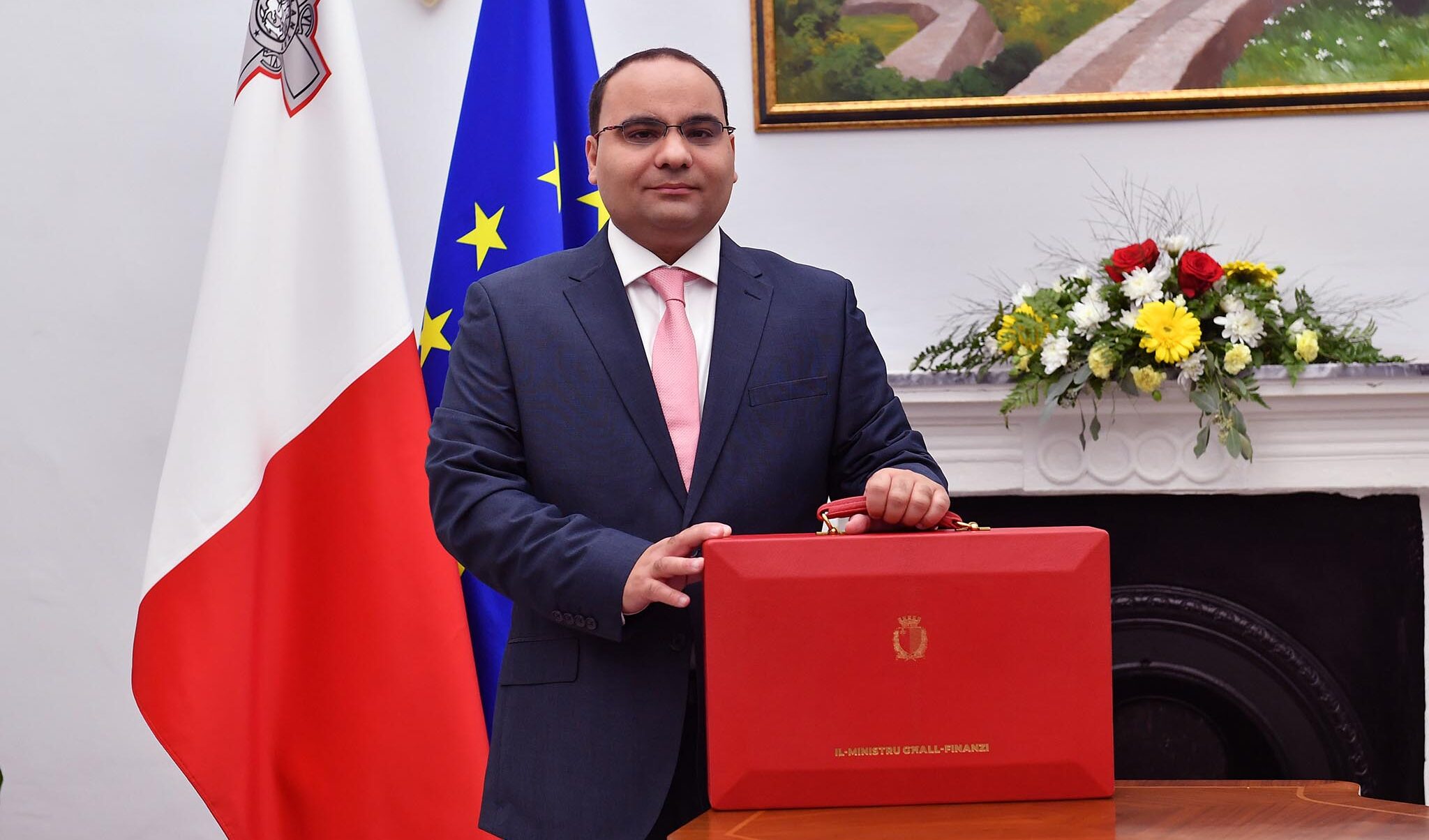
2027 COLA expected at around €5, says Finance Minister
The figure is expected to become clearer once the latest Retail Price Index data is available

Malta’s tourism success should not be measured by arrivals alone – Robert Abela
The Prime Minister wants s a model increasingly based on quality, value and sustainability

Pushy insurance salesmen exposed in MFSA mystery shopping exercise
The exercise involved 17 mystery shopping interactions and covered insurance intermediaries