


Malta’s annual inflation rate, as measured by the Retail Price Index (RPI), stood at 2.5 per cent in January 2026, down from 2.7 per cent in December 2025, according to the latest data published by the National Statistics Office (NSO).
The figures show that while overall inflation continued to moderate at the start of the year, price pressures remain uneven across categories, with food and other consumer services continuing to exert the strongest upward influence on household costs.
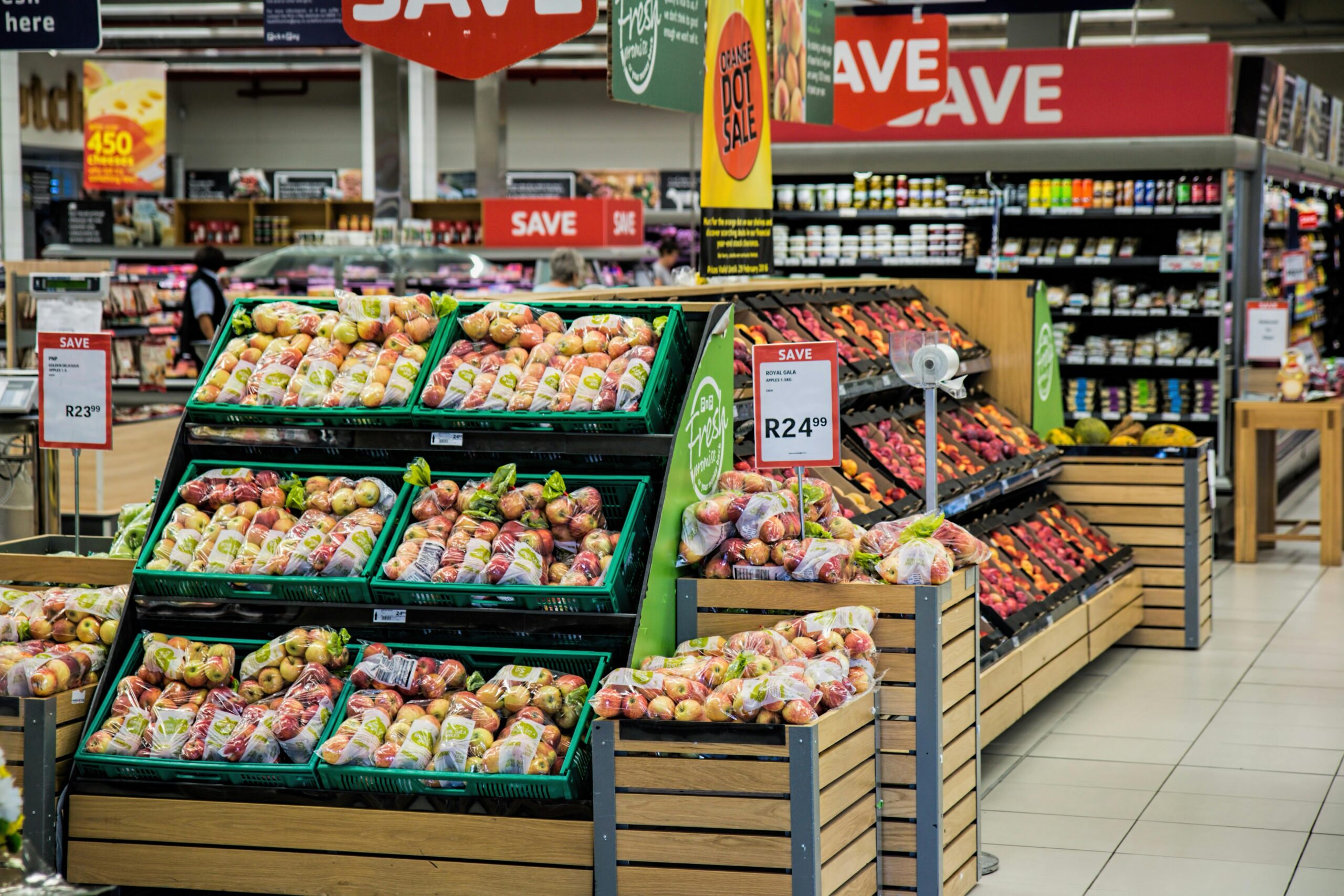
The Food Index registered an annual inflation rate of 3.6 per cent, making it one of the largest contributors to overall inflation. The NSO said the strongest upward pressure came largely from higher prices for take-aways and restaurant services, which added 0.77 percentage points to the overall annual inflation rate.
Other significant contributors were:
- Other goods and services: annual inflation of 4.5 per cent, contributing 0.33 percentage points
- Recreation and culture: annual inflation of 3.3 per cent, also contributing 0.33 percentage points
Within the “Other goods and services” category, the NSO noted that jewellery, watches and related articles recorded a sharp annual increase of 22.8 per cent, while veterinary services and domestic services rose by 1.9 per cent.
The main downward pressure on inflation came from Clothing and footwear, which recorded a negative annual inflation rate of -2.3 per cent. Lower garment prices were cited as the primary factor, reducing the overall inflation rate by 0.15 percentage points.
Meanwhile, the water, electricity, gas and fuels category remained unchanged year-on-year at 0.0 per cent, continuing a prolonged period of price stability in this segment.
Other notable annual inflation rates in January included:
- Housing: 3.2 per cent
- Furnishings and household equipment: 3.4 per cent
- Transport and communication: 0.8 per cent
- Personal care and health: 2.1 per cent
- Beverages and tobacco: 3.3 per cent
On a monthly basis, the RPI declined by 0.8 per cent between December 2025 and January 2026, reflecting seasonal price movements across several categories, including clothing and transport.
Latest figures suggest that while headline inflation continues to ease compared with previous peaks, cost pressures linked to food-related services and consumer goods remain elevated, while sectors such as energy and clothing are exerting a moderating effect on the overall index.


Employers take umbrage at video promoting public sector’s flexible work arrangements
The video outlines a range of flexibility options available to public sector employees

Final call for food and beverage manufacturers to exhibit at SIAL Paris
SIAL Paris is one of the world’s leading international food and beverage exhibitions

Vision 2050 launched tonight as roadmap for Malta’s economic future
The original vision focused on financial services, aviation, shipping, gaming, tourism, high-end manufacturing and construction as key economic pillars