



Rental prices in Malta have continued to rise at a faster pace than the European Union average, according to the latest Eurostat figures.
Data published by Eurostat shows that rents in Malta increased by 3.6 per cent between August 2025 and August 2026, compared with an EU-wide average increase of 2.9 per cent.
Malta's annual rent inflation rate was also higher than those recorded in several major European economies, including Italy (3.4 per cent), Spain (2.5 per cent), Germany (2.2 per cent) and France (1.6 per cent).
However, the figures place Malta considerably below countries experiencing more substantial rental price increases.
Within the EU, Romania recorded the highest annual rent inflation rate in August, at 39.7 per cent, followed by Slovenia at 10.3 per cent and Lithuania at 8.5 per cent.
Outside the EU, Turkey recorded the highest increase among the countries surveyed, with rents rising by 43.1 per cent over the same period.
Renting in Valletta costs more than minimum wage
While Malta's rent inflation remains relatively moderate compared with some European countries, a separate analysis earlier this year by the European Trade Union Confederation (ETUC) has highlighted the financial pressure facing minimum wage earners seeking accommodation in the capital.
According to the analysis, renting a two-bedroom apartment in Valletta now costs the equivalent of 143 per cent of Malta's gross monthly minimum wage, representing a 43-percentage-point increase from the 100 per cent recorded in 2024.
This means that a person earning the minimum wage would need to spend more than their entire gross monthly salary to cover the average rent for such a property, before accounting for utilities, groceries, transport and other essential expenses.
Valletta was identified as one of the least affordable European capitals for minimum wage earners.
Prague recorded the highest rent-to-minimum-wage ratio among the capitals examined, with the average rent for a two-bedroom apartment equivalent to 185 per cent of the gross minimum wage. Lisbon followed at 168 per cent.
The ETUC analysis also noted that its calculations were based on gross rather than net wages, meaning the proportion of take-home pay required to cover rent would be even higher.


MCAST turns to AI to tackle Malta’s skills gap
The plan also emphasises critical thinking, adaptability, digital skills and entrepreneurship to meet changing labour-market needs
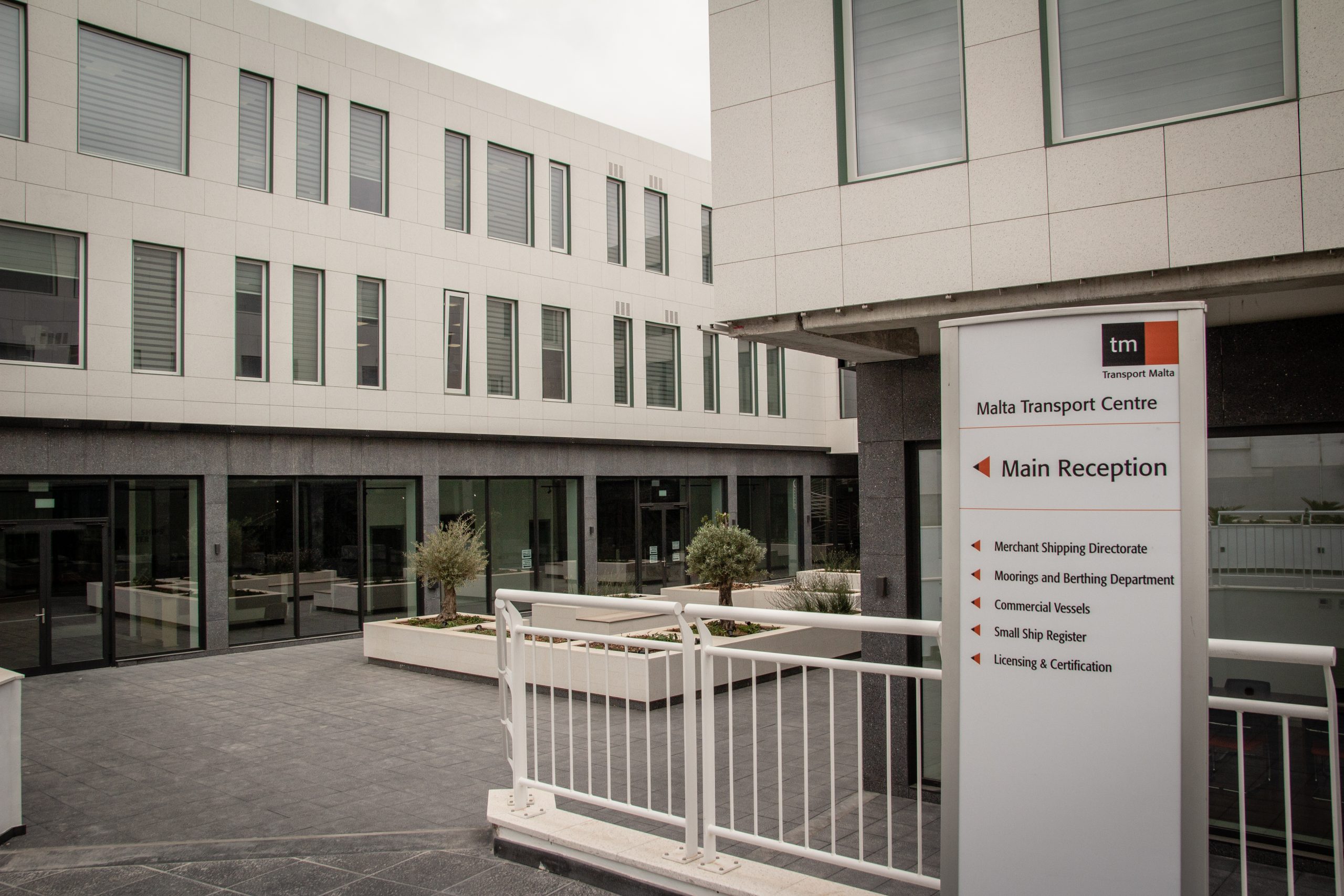
Merchant ships must not be targeted or exposed to danger, Transport Malta says after Black Sea drone strike
The Malta Ship Registry 'remains committed' to fulfilling its flag State duties and cooperating with relevant entities

MDB underlines ambition to play more strategic role in supporting Malta’s green and digital transition
MDB aired its ambition to make greater use of guarantees and risk-sharing with commercial banks