



A teaching staff shortage is affecting the English Language Teaching (ELT) schools sector, CEO of the Federation of English Language Teaching Organisations Malta (FELTOM) Jessica Rees-Jones tells Businessnow.mt.
The federation represents 14 of the 35 language schools on the island, which Ms Rees-Jones said account for over half the student numbers and student weeks.
According to data published by the National Statistics Office, in 2017, teaching staff in local licensed ELT schools amounted to 1,225. But in 2025, teaching and academic staff in local licensed ELT schools numbered 712 – a drop of 42% in under a decade.
While English schools are hiring fewer workers than they used to, Ms Rees-Jones says they are finding it difficult to find the right staff.
An issue the sector faces, internationally, is attracting quality staff, she said. Globally, teaching is not seen as a profession of choice, and that it is not a situation that is unique to the ELT sector either, Ms Rees-Jones added.
She says that fewer and fewer people are applying for their Teaching English to Speakers of Other Languages, Certificate in English Language Teaching to Adults and Diploma in English Language Teaching to Adults qualifications. "Not only are fewer people applying, but fewer are passing."
She says that FELTOM is working with the English Language Teaching (ELT) Council on attracting quality teachers to the sector.
"Do you drop the standards to just get more people in? That's a slippery slope. Do you try and get people to see this as a vocation? It is a long term play that's not going to have a short term response. So the kind of work we're doing on that will only see the results in two, three or maybe five years."
There is a shortage of quality candidates she says.
FELTOM, Ms Rees-Jones explains, supports all opportunities to motivate people to join the sector.
They are looking at how they can support teachers currently working in the sector through digitalisation and AI, she says. "What we are looking at is how to empower teachers for it to become a tool in the classroom which helps and alleviates some of the pressures, but also raises the bar and experience for students."
Retention is another issue, she says, adding that it is not just a problem in the ELT sector, as people don't stay in the same jobs as much as they used to.
FELTOM is also looking to attract more niche student markets, which in turn could open the door to more teachers. As an example, she explains that the federation applied for, and was awarded, its first project ever on Erasmus on aviation English. It's an 18 month project with the Bulgarian Air Force Academy on looking at how aviation English is taught.
"Every time we board an airplane, the pilot and the cabin crew all speak in English, and then the language of their flag carrier's language. There is specific aviation English terminology and language which air traffic controllers, pilot and cabin crew have to know," Mr Rees-Jones says.
FELTOM is producing a toolkit for teachers to teach aviation English, and she said this could possibly even attract retired airline personnel who would be interested in teaching to the industry.
Turning to the geopolitical situation and its possible effects on the sector, she described it as a serious concern "that affects all of us globally."
“It has a bigger impact on our long-distance students who come from, as per current trends, Brazil, Colombia and Japan. They are consistent students who come for a longer period of time, and we partner and align with stakeholders at the Malta Tourism Authority and the Malta Chamber of Commerce trying to raise policy issues and awareness about how we can collectively understand the changes to the industry, locally and globally, both for our students and for education and tourism issues."
“We are working hard to find solutions, working together for what is best for our students.”
Regarding the long-haul student market, she says that there will also always be a focus on attracting non-EU students.
The FELTOM CEO also says that long-haul students tend to stay in the country for longer periods.
"Malta offers such a unique package with its history, culture, food that it has enormous appeal," she says describing Malta's appeal for long-haul markets.

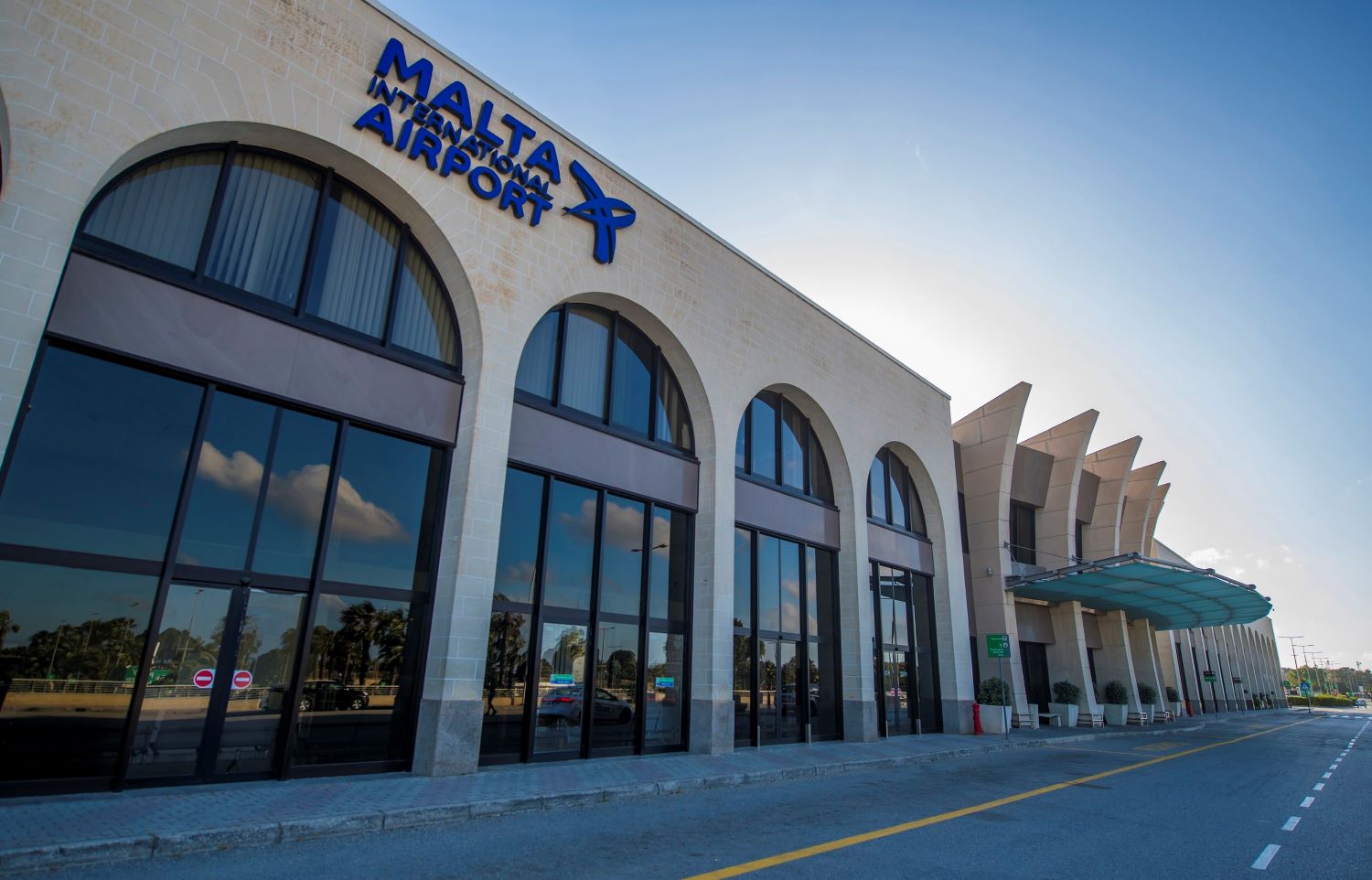
MIA sees emissions per passenger fall as traffic tops 10 million during 2025
Malta International Airport’s revenue increased by 9.9% to €157 million in 2025

MFSA warns public about website impersonating the Authority
The MFSA urged the public to exercise caution and verify website URLs and email addresses

Budget 2027: MMF proposes National Maritime Certification Centre, cadet scheme to address skills shortage
Maritime sector requires renewed attention and resources to enable it to achieve the set objectives, MMF says