


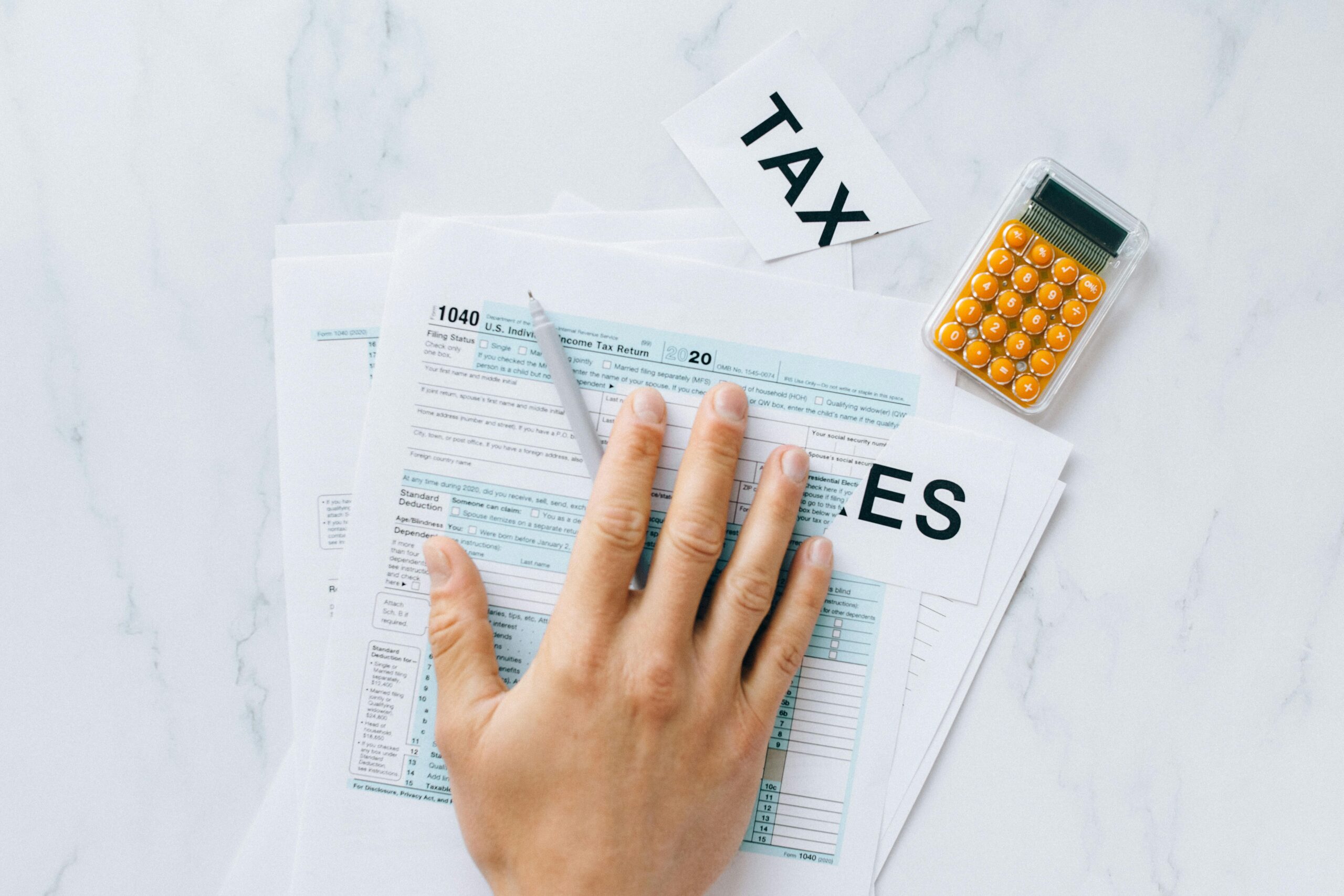
The Nationalist Party has announced a range of personal tax reforms that would involve reforming tax bands, removing stamp duty when it comes to inheriting immobile property and the introduction of a skills wallet with funds for workers to spend on training.
PN Leader Alex Borg announced more electoral proposal on Thursday. He said that the last time the tax ceilings were moved was under a PN administration in 2012.
Costs are rising, he said, but the tax system despite being revised never became aligned, Dr Borg added, saying that the tax bands are today, expired.
The PN Leader said his party is proposing a just and more modern tax system, which reflects today’s realities. He revealed six proposals.
The proposals
The PN's first proposal is to reform the personal income tax bands in a way which, Dr Borg said, benefits workers, self-employed and pensioners. “This will mean reduction in tax for everyone.” This tax band reform will cost the government between €110 million and €130 million per year.
Secondly, in order for the Cost of Living Adjustment not to be taxed each year, he proposes that all tax bands increase by the same amount as the COLA.
Thirdly, the PN is proposing removing tax on the first €10,000 earned through part-time work and overtime work.
The party’s fourth proposal is to introduce an incentive for host families, that is Maltese families hosting foreign students. He said that income earned from this sector would be tax free, and also said that when a parent stops working to take care of the home and the students, they will be given NI credits for up to three years.
The party’s fifth proposal is for the creation of a digital skills wallet, which would include €1,000 renewed every three years for Maltese people aged between 18 and the retirement age, that they would be able to use for training and work courses. The aim, he said, is to incentivise the skilling, reskilling and upskilling of workers to keep up with technological advances, such as AI, automation etc. People themselves would be able to select the courses they want to undertake from the strategic national skills registry.
The party’s sixth proposal, Dr Borg said, is to fully remove stamp duty, without any value limit, on every transfer of immovable property passed on by inheritance.
The PN will also remove stamp duty on the succession of family businesses passed on by inheritance, whether this involves shares in companies or immovable property used for commercial activity. This is a measure designed to protect family businesses, jobs and continuity from one generation to the next, the party said.
In addition, it will fully remove stamp duty on transfers of immovable property by donation from parents to children or grandchildren.
Tax band threshold details
PN MP Adrian Delia provided details about how the personal income tax bands would be changed. He said that while today earnings over €60,000 are taxed at 35 per cent. The threshold would be raised so that earnings over €80,000 would be taxed at 35 per cent instead.
The amount of income that is untaxed will rise, and so will the ceilings of the other bands.
Currently, the first €12,000 a single person earns is not taxed, he said. For a single person, the PN is proposing that the amount untaxed would rise to the first €15,000 earned. The top end of the 15 per cent income tax bracket is currently up to €16,000, he said. The PN is proposing that this rise to €20,000. The PN is proposing that the amount earned above that be taxed at 25 per cent up to €80,000, and 35 per cent for income above €80,000.
For a married couple without children, the current amount untaxed is the first €15,000 earned he said. The PN is proposing that this rise to the first €19,000. The top end of the 15 per cent tax band would rise from €23,000 to €26,000, he said, and they would pay 25 per cent up to €80,000, and 35 per cent only on income above €80,000.
Married couples with a single child currently pay no tax on income up to €17,500, Dr Delia said. He said that the PN is proposing this rise to €25,000. The top of the band they pay 15 per cent on would rise from €26,500, to €37,000, then 25 per cent up to €80,000, and 35 per cent only on income above €80,000.
Married couples with two children currently pay no tax up to €22,500 earned, he said the PN plans to increase this to €41,000. The top of the 15 per cent band would rise from €32,500 to €55,000.
For those with three children or more, Dr Delia said the PN would change the bands so that they would pay a fixed rate of 15 per cent on income between €41,000 and €80,000.
A single parent or custodian with a single child currently pays no tax up to the first €14,500, the PN is proposing it rise to €20,000. The top of the 15 per cent band would rise from €21,000 to €32,000, and 25 per cent up to €80,000
A single parent or custodian with two children today pays no tax on the first €15,500, the PN wants to increase it to €35,000. The top of the 15 per cent band would rise from €25,500 to €48,000.
Savings examples
Dr Delia said that a person earning €30,000 a year on the single computation would save €100 a month, on the married couple computation would save €122.92 each month, on the parent with one child computation would save €143.75 a month, and on the parent with 2 children computation would save €181.25 a month.
As another example he said that for those earning €50,000 a year, a person on the single computation would save €100 a month, on the married couple computation would save €181.25 each month, on the parent with one child computation would save €160.42 a month, and on the parent with 2 children computation would save €193.75 a month.
For a parent with three children or more, on an income of €30,000 they would save €181.25 a month, on income of €50,000 would save €410 per month, on income of €60,000 would save €493.75 per month, on income of €80,000 would save €827.08 per month, he said.
Lastly, Dr Delia gave an example for persons earning €80,000 a year. On the single computation, a person would save €237.50 per month. A married couple with a child would save €181.25 per month, a single parent with a child would save €327.08 per month. A single parent with two children would save €560.42 per month.
The PN launched a calculator showing what a person would save under their proposal.
In terms of whether all the proposals are affordable, Dr Delia said that the party started its campaign not by saying what it would give, but how the economic engine would be turned, “new economic sectors that will bring in hundreds of millions of euros over a period of a few years.”

Blackcat CTO to lead online session on fintech risk management
Oļegs Černiševs will present a risk management framework designed to help financial institutions identify, measure and manage their exposure

Malta falls below OECD average in maths, reading and science
In reading and science, Malta’s performance was lower than in every previous PISA assessment before 2022
Malta property market surges as final deeds of sale rise 34% in August
Latest NSO statistics show that final deeds of sales amounted to €407.3 million in August