


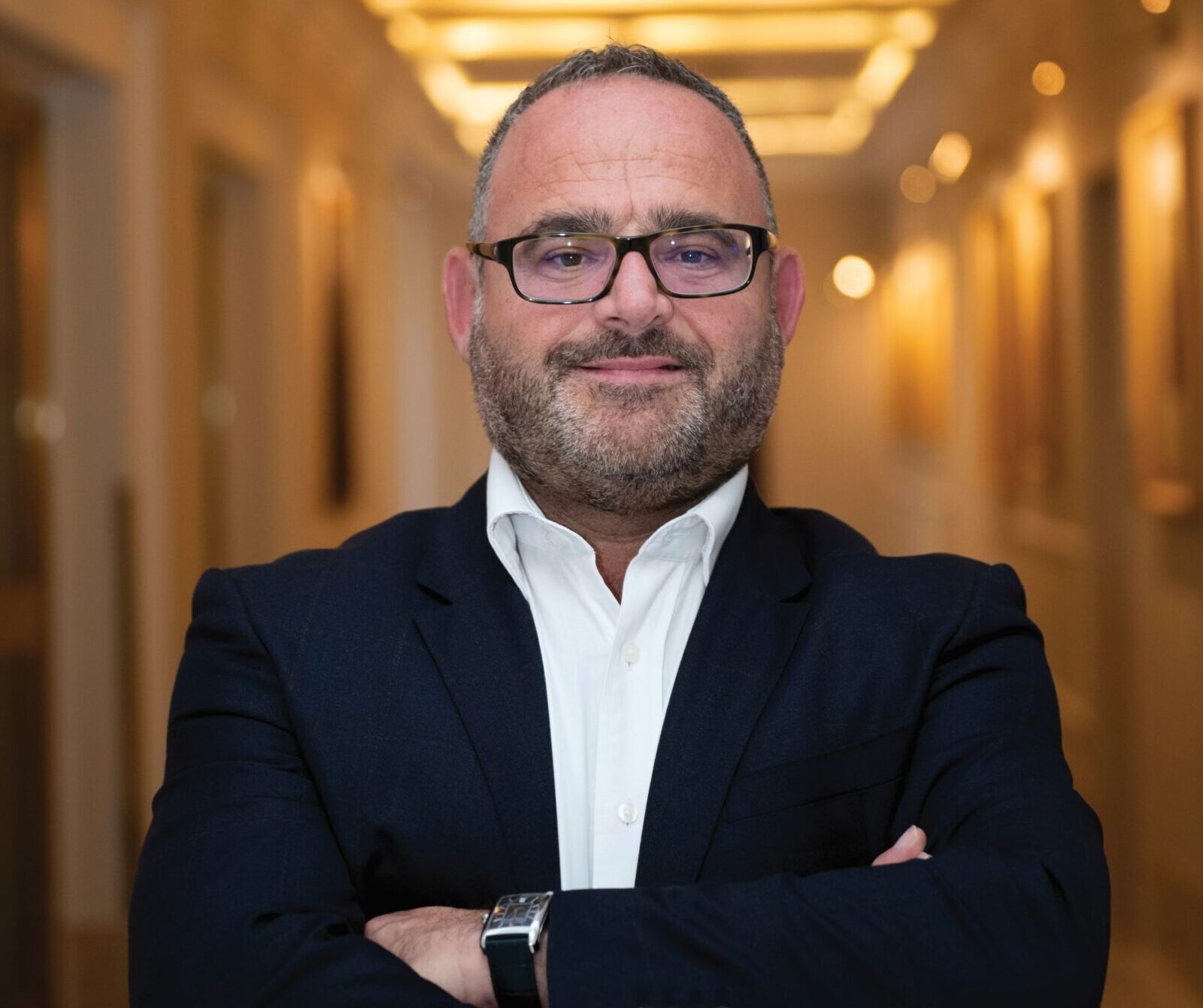
The public sector needs more people to work in essential services, but there are other areas where it doesn’t need to recruit, Malta Employers’ Director General Kevin J Borg told BusinessNow.mt.
“To say that the public sector is over-inflated is generalising, because the public sector still requires more people in essential services, including in the medical, law and order sectors. And I sympathize with the public sector for not being able to find the necessary amount of people to work in those particular sectors. (…) I sympathize even more with the present employees who are working under immense pressure and sacrifice.”
Having said that, he said he has been to public sector offices and seen people doing nothing behind a desk.
“Why do we need meter readers today when we have smart meters?” he asked. He also questioned why there are so many people working as customer care for the public sector.
“I receive reports every week that qualified, experienced and skilled workers leave employers in the private sector and go to work in the public sector. I don't need to tell you that as an election approaches, the reports become more frequent,” he said.
The association recently made a proposal to control the power of incumbency in the lead up to an election, he said, “for whoever is in Government.” The proposal is for the Government stops recruitment, except in critical professions like teaching, care and health, six months prior to an election.
The association is also calling on the Government to carry out a detailed manpower survey in the public sector aimed at identifying areas of over- and under-manning.
“When taking a qualified person from the private sector, you could be grinding a business to a halt,” Mr Borg says.
The issue is not really salary related, he says. “When employees move, they move for flexibility.”
The Government doesn't face commercial pressures companies do, and so there is a limit as to how much a private company can compete with Government to offer flexible work arrangements and work from home.
The number one problem today for employers is that there are not enough employees to go around, he said.

Malta now has more €1,500,000+ homes for sale than ones under €250,000
A full quarter of the homes available for no more than €250,000 are in Gozo

Perit proposes underground transport network to tackle traffic, flooding and lack of open spaces
He calls the project 'A Second Malta'

AX Group calls for destination hubs as part of tourism strategy shift in Budget recommendations
Development of a national employment and skills strategy, investment in infrastructure, tourism strategy shift are its top priorities