


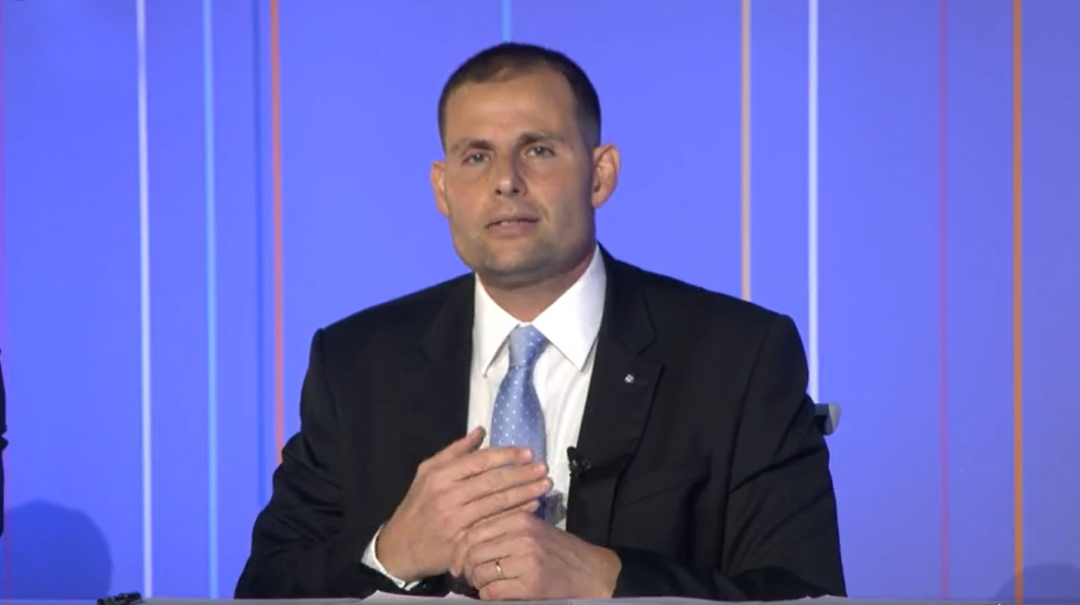
Prime Minister Robert Abela has pledged to reduce income tax in the next legislature by significantly widening tax bands.
Speaking at a press conference this morning, Dr Abela said Malta's economy had performed well in the past years and is expected to do better in the coming ones. As a result, a Labour government would be able to reduce income tax and raise the country’s GDP from €14 billion to €20 billion within the next legislature.
The Prime Minister said the measure would leave a total of €66 million extra in people’s pockets, with low and medium-income earners benefitting the most.
If the changes are enacted, individuals will start paying tax after the first €10,800, up from €9,100. Parents will start paying tax after the first €12,500, up from €10,500, while the rate for married people will increase from €12,700 to €14,400.
Dr Abela added that the measure would be further bolstered with around €24 million a year in “generous” tax refund cheques that will be handed out every year of a new Labour-led legislature.
He estimated that, as a result of these measures, an average person is expected to see their annual take-home pay increase by some €255.
After announcing the 26th March election date on Sunday, Dr Abela had announced that a Labour Government would also reduce corporate tax for businesses, which would pay 25 per cent tax instead of 35 percent tax on their first €250,000 profit.

Malta’s business conditions remain below long-term average as retail activity contracts
Malta’s business conditions remain below long-term average as retail activity contracts

TCN measures risk ‘mammothing’ the human resource challenge in catering establishment sector – association
Introduction of eco-contribution alone will not ensure influx of quality tourists, ACE says

Minimum cheque payment to rise to €50 from 2027
The Central Bank aims to modernise Malta’s payments landscape