



Ryanair will be adding six new routes to Malta this winter, Malta Air and Lauda Europe CEO David O’Brien announced during the inauguration of the airline’s new offices in Pietà.
The new connections will link Malta with airports in the UK, Sweden and Luxembourg, although further details are yet to be disclosed.
Mr O’Brien said the office expansion reflects Ryanair’s confidence in Malta as a hub for its operations, noting that the group plans to continue investing heavily on the island to further strengthen the aviation sector.
The new offices will create 70 additional high-quality jobs, bringing Ryanair’s Malta-based workforce to more than 500 professionals across finance, safety, human resources, engineering, pilots and cabin crew.
"Malta continues to provide a business-friendly environment with readily accessible and responsive governmental institutions," Mr O’Brien said.
The inauguration was attended by Prime Minister Robert Abela, Transport Minister Chris Bonett, and Economy Minister Silvio Schembri.
Prime Minister Abela described the expansion as another milestone in Ryanair’s long-standing commitment to Malta, noting that beyond the new offices, the airline has also launched an aircraft maintenance, repair, and overhaul (MRO) project that is expected to generate 250 additional skilled jobs.
He added that Ryanair currently operates eight aircraft from Malta, with a ninth to be introduced soon, calling the new offices “a symbol of confidence in Malta’s workforce, economy, and future.”

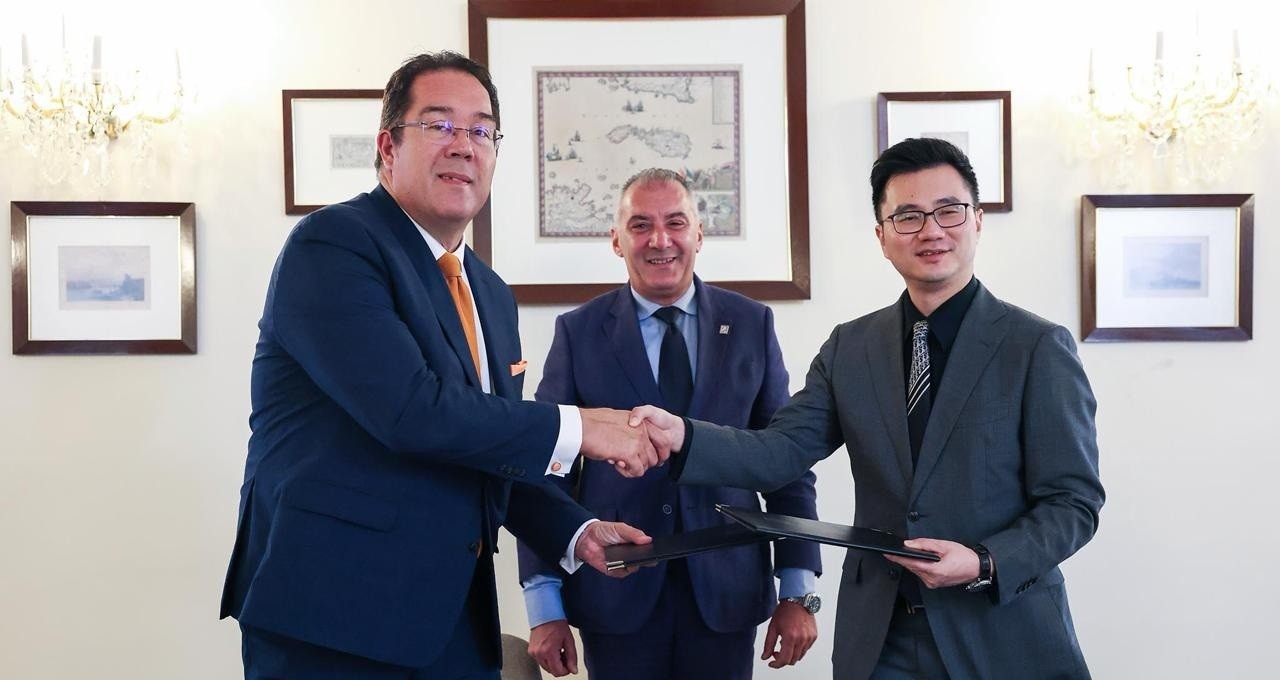
Malta looks to China and Asia to diversify tourism markets
The partnership aims to promote Malta, diversify its tourism offering and boost sustainability

Strong demand for Malta Government Stocks as offers reach €617 million
The Government had initially authorised an issue of €300 million
Employers call for ‘decisive’ shift in public spending ahead of Budget 2027
The upcoming Budget 'must be judged' on its capacity to deliver long-term transformation, not just sustain short-term consumption