



The share of workers in Malta working more than 49 hours per week has declined to a record low of 4.5 per cent in 2022. While this echoes a similar trend witnessed across Europe on average, in Malta it has declined at a faster rate.
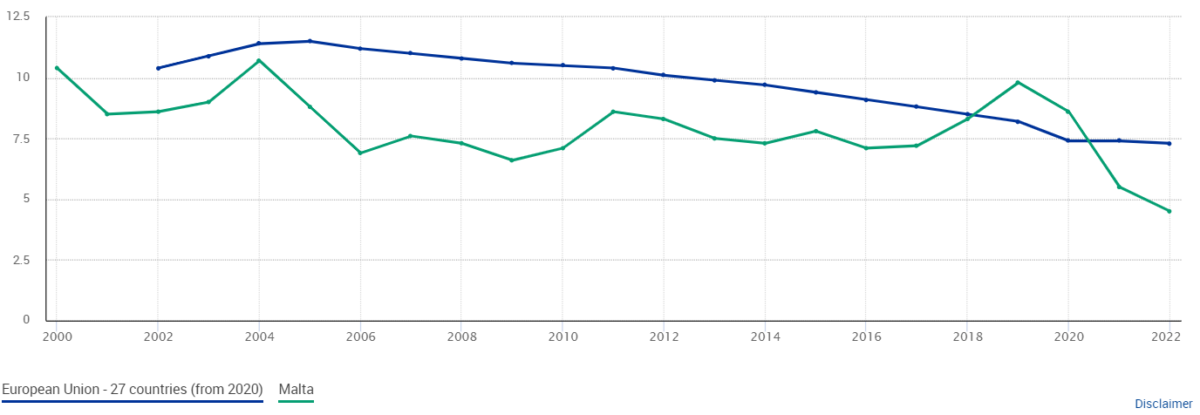
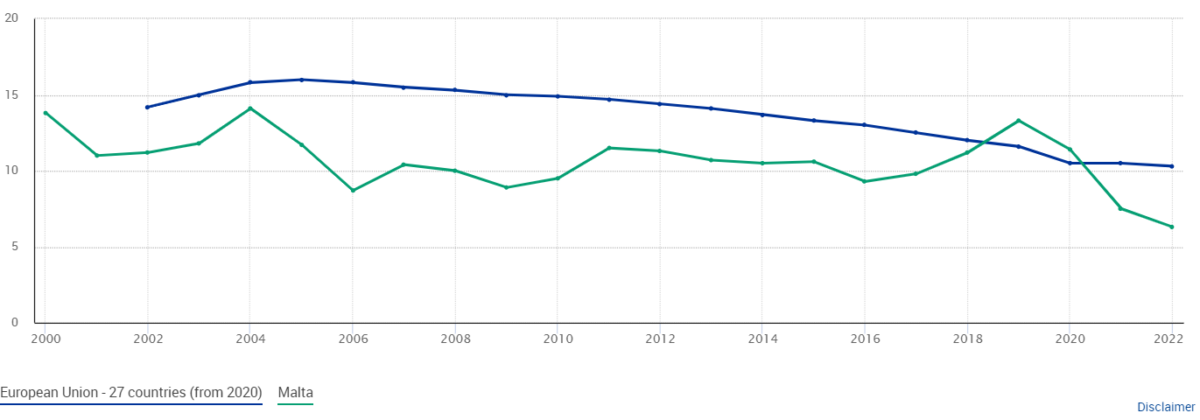
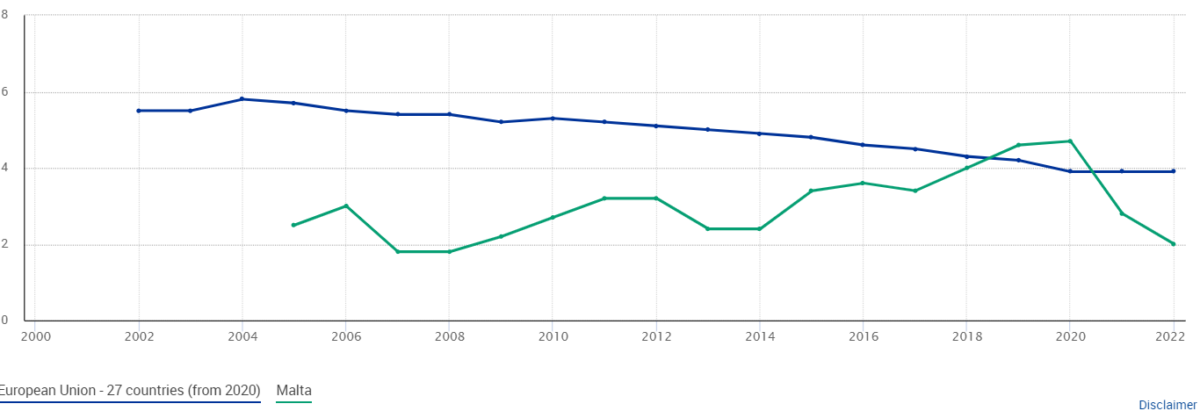
This data is also reflected in the status of workers, with workers in Malta registered as employees, employers and self-employed all working fewer hours than across Europe.
When comparing the number of hours worked by men and women, data made available by Eurostat demonstrated that men were more likely to work longer hours than women.
Across the EU, Greece had the highest share of workers working long hours (13 per cent), followed by France and Cyprus (each 10 per cent). Meanwhile, the lowest rates were recorded in Bulgaria, Lithuania and Latvia (each one per cent).
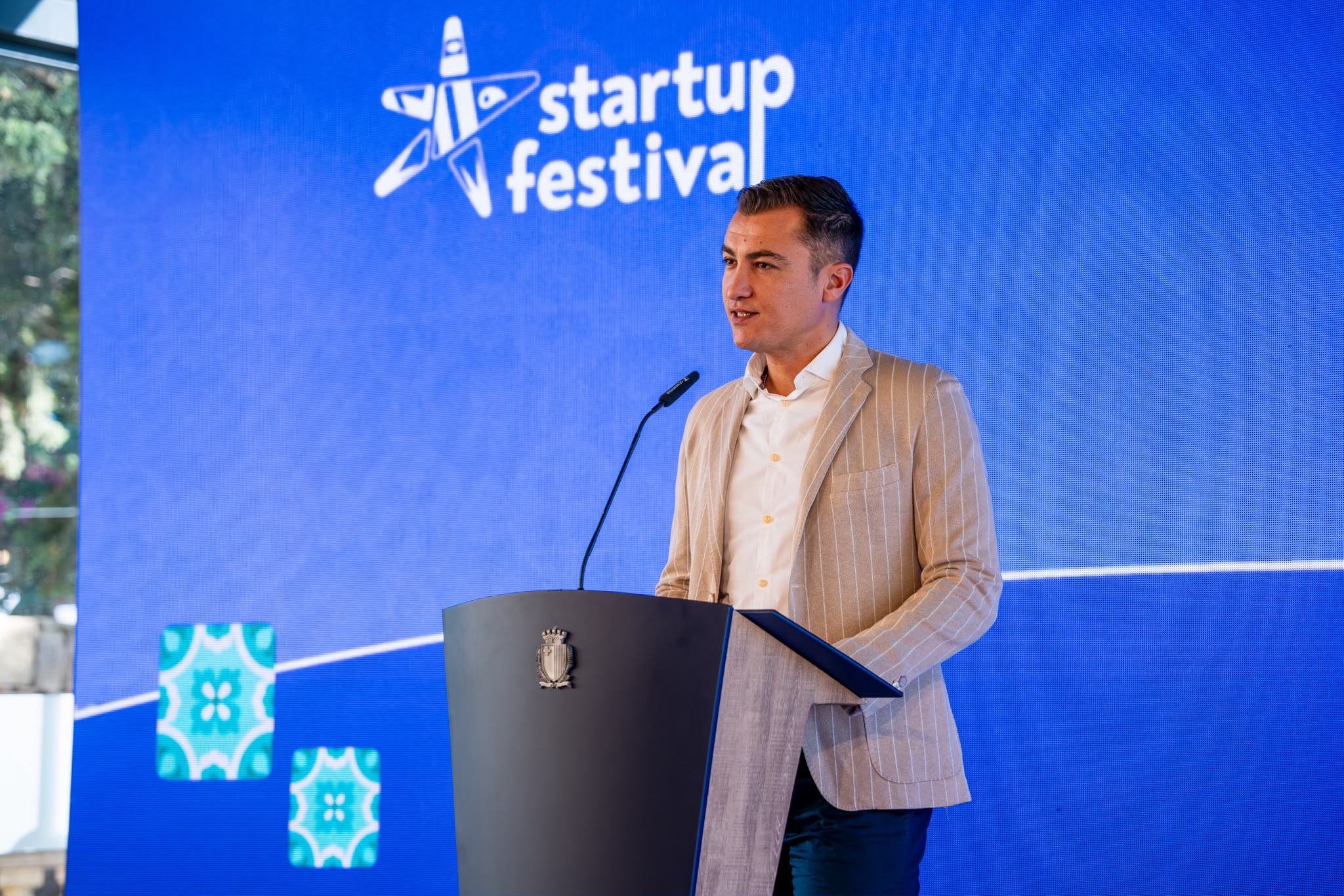
More than 50 startups collectively awarded €15 million in financial assistance
These businesses have created around 250 quality jobs, Government said
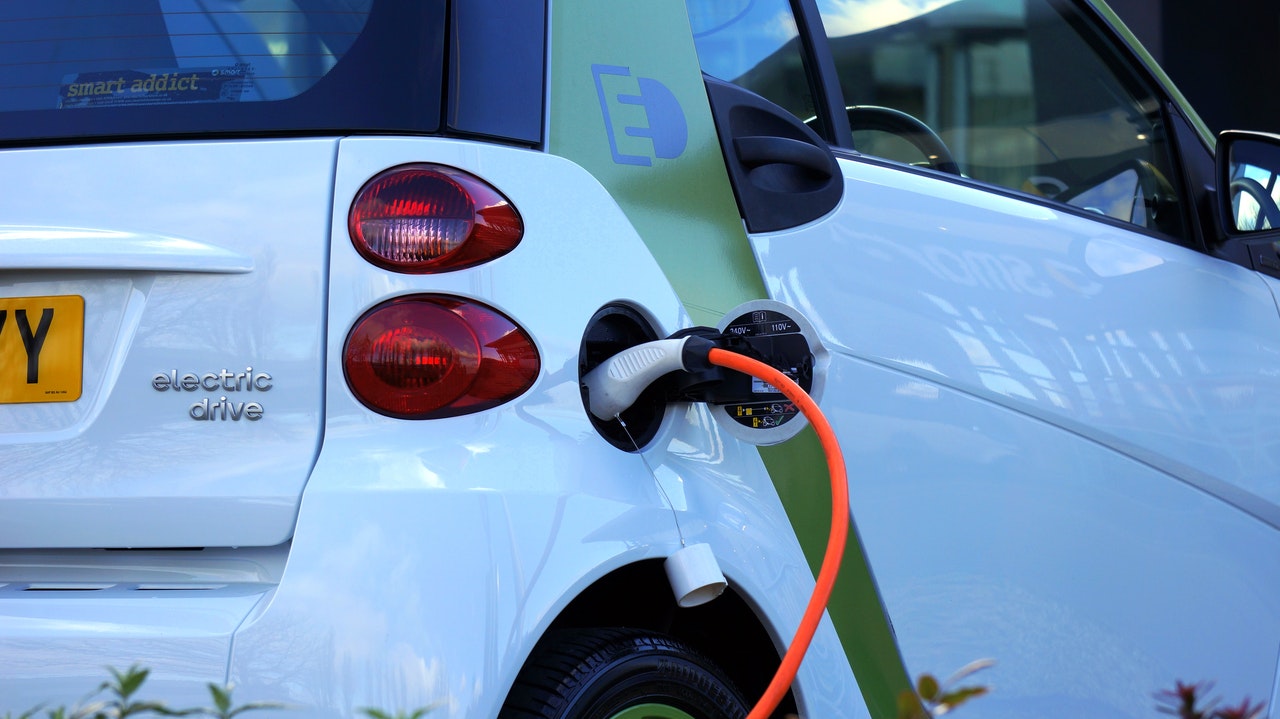
Insurers call for urgent clarity over EV disposal procedures while highlighting ‘practical difficulties’
Malta currently lacks suitable facilities for treating these batteries, association said

Working remotely abroad? Businesses warned of potential tax risks at Mobility Elite Summit
Working remotely abroad is not just a matter of finding a nice place