



The Central Bank of Malta has slightly upgraded its forecast for Malta’s economic growth in 2026, while lowering its inflation expectations, as stronger household spending and easing price pressures support the economy.
In its latest Outlook for the Maltese Economy, the bank said gross domestic product (GDP) is expected to grow by 3.8 per cent in 2026, up by 0.1 percentage points from its previous projection in June and following growth of 4.0 per cent in 2025.
Growth is then expected to ease to 3.6 per cent in 2027, as some delayed effects from geopolitical tensions materialise, before recovering to 3.8 per cent in 2028 as global spillovers gradually fade.
At the same time, the bank has revised down its inflation forecast. Harmonised Index of Consumer Prices (HICP) inflation is now expected to average 2.2 per cent in 2026, 0.2 percentage points lower than previously forecast. The 2027 projection was also lowered by 0.1 percentage points.
The revisions largely reflect inflation readings in May and June that came in below the bank’s previous expectations.
Household spending and investment drive growth
One of the main drivers of growth this year is expected to be household spending. Private consumption is forecast to increase by 4.3 per cent in 2026, compared with 3.6 per cent in 2025, before growing by 4.1 per cent in both 2027 and 2028.
The Central Bank said consumption should be supported by recent revisions to income tax brackets, which are expected to boost disposable income and savings, as well as by easing inflationary pressures.
Investment is also expected to rebound strongly. Gross fixed capital formation is forecast to grow by 5.7 per cent in 2026, following growth of just 0.2 per cent last year. It is then projected to slow to 1.4 per cent in 2027 before rising by 3.6 per cent in 2028.
Government investment alone is projected to increase by 17 per cent this year, largely reflecting projects financed through the EU’s Recovery and Resilience Facility (RRF), as well as other major initiatives including Malta’s second electricity interconnector.
Growth in government investment is expected to fall in 2027 once these projects are completed. Private investment, meanwhile, is expected to increase in 2026 following a decline last year, partly reflecting Budget 2026 incentives.
Exports of goods and services are forecast to grow by 4.3 per cent this year, before slowing to 3.5 per cent in both 2027 and 2028.
The bank said the moderation reflects weaker foreign demand and slower services export growth following an extended period of strong expansion. Nevertheless, Malta’s export growth is expected to remain above growth in external demand throughout the forecast period, partly because of continued strong tourism activity.
Employment growth set to moderate
The labour market is also expected to remain strong, although employment growth is set to moderate.
Total employment is forecast to increase by 2.9 per cent in 2026, down from 4.1 per cent in 2025, before slowing to 2.5 per cent in 2027 and 2.3 per cent in 2028.
According to the bank, this shows slower economic growth, an expected improvement in productivity and slower inflows of foreign workers following recent labour migration measures.
The unemployment rate is meanwhile expected to rise slightly from 3.1 per cent in 2025 to 3.4 per cent this year and remain at that level through 2028.
Deficit and debt projected to decline
On public finances, the general government deficit is forecast to decline from 2.2 per cent of GDP in 2025 to 1.9 per cent in 2026, before narrowing further to 1.7 per cent in 2027 and 1.6 per cent in 2028.
Government debt is similarly projected to fall from 46.4 per cent of GDP in 2025 to 46.1 per cent this year and just over 44 per cent by 2028.
However, energy support measures are expected to cost more this year. The bank expects spending on such measures to increase in 2026 due to higher commodity prices following the start of the war in Iran, marking the first increase in these outlays since 2022. Spending is expected to decline as a share of GDP from 2027 onwards.
Middle East uncertainty remains a key risk
Looking ahead, the Central Bank considers risks to economic activity to be broadly balanced, although geopolitical uncertainty and possible supply bottlenecks linked to the Middle East remain key downside risks.
Inflation risks, however, are tilted to the upside, with the bank warning that higher services inflation and disruptions to energy and commodity supplies could push global inflation higher and spill over into Malta.
Fiscal risks are also tilted towards a wider deficit, particularly if current expenditure, including spending on energy support measures, exceeds projections.


Malta’s electricity supply rises 3.2% in 2025 as demand also increases
The highest monthly demand was recorded in July, at 637 MW, followed by August at 585 MW
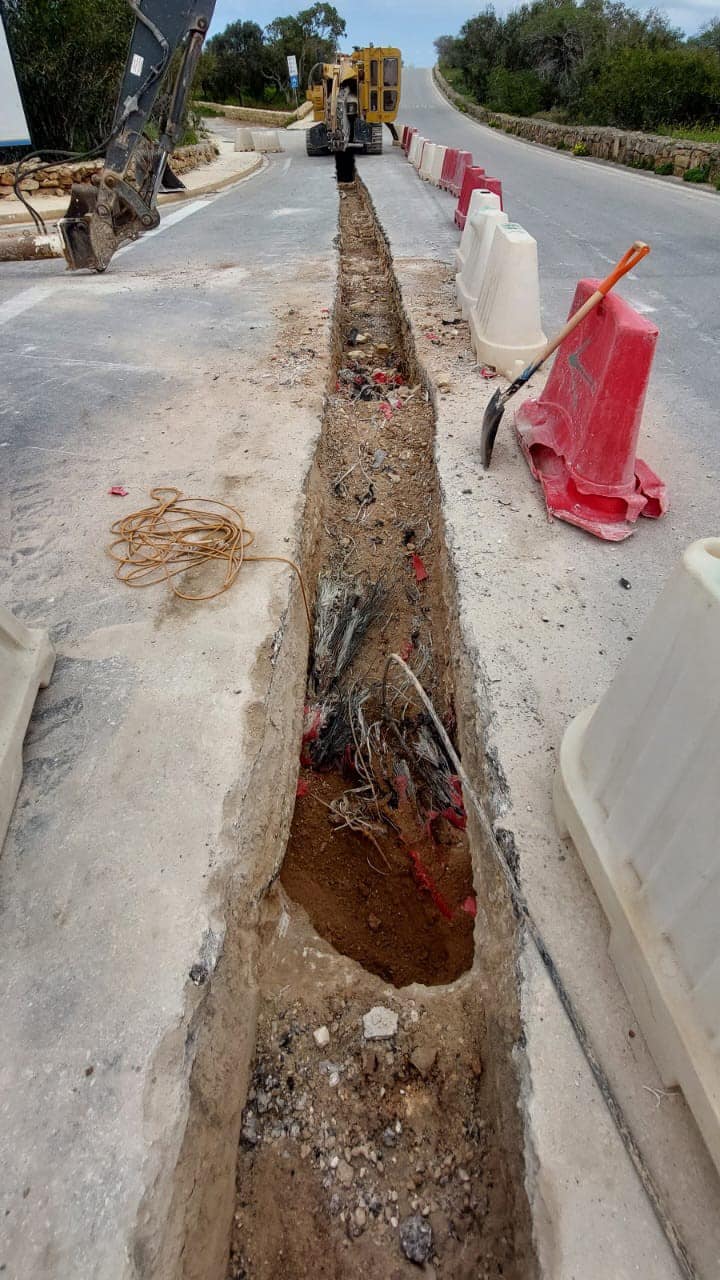
‘Reliable energy is essential health infrastructure’ – association calls for independent review after grid failures
Electricity is not merely a household convenience or business requirement, association says
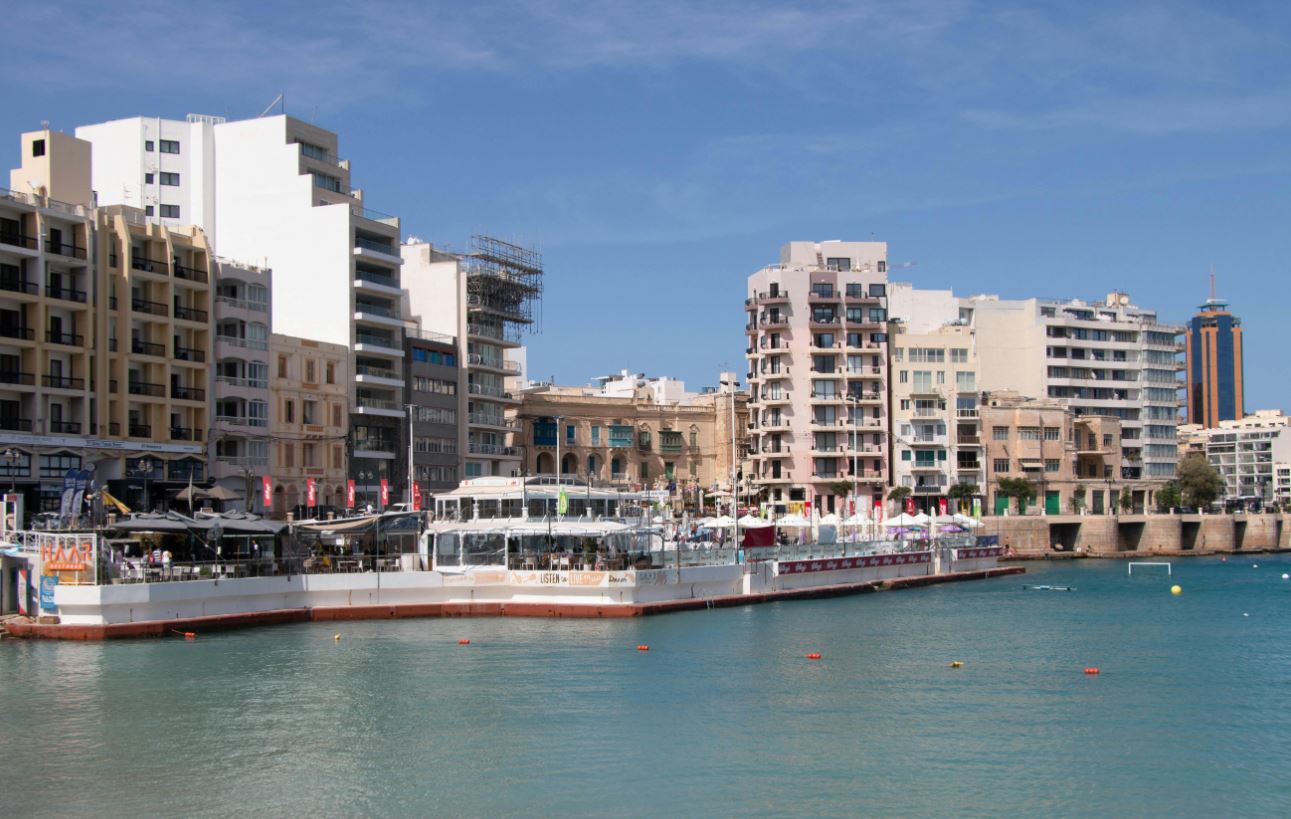
More planning appeals filed in Sliema than anywhere else in Malta
St Julian’s and St Paul’s Bay followed Sliema with 32 third-party appeals each during a six-year period