


The Malta Association of Public Health Medicine (MAPHM) is calling for reliable, affordable and sustainable energy to be recognised as essential health infrastructure, and for an independent review following the power infrastructure failures seen in summer.
“Electricity is not merely a household convenience or business requirement,” the association said, highlighting that the World Health Organisation identifies reliable electricity as fundamental to emergency procedures, communications, refrigeration, diagnostic capacity and the delivery of essential health services.
“It enables people to remain safe during periods of extreme temperatures, as well as powering hospitals, health centres, laboratories, pharmacies, residential care facilities, communications systems, water services, cooling systems, medical devices and enabling the storage of temperature-sensitive medicines and essential blood products.”
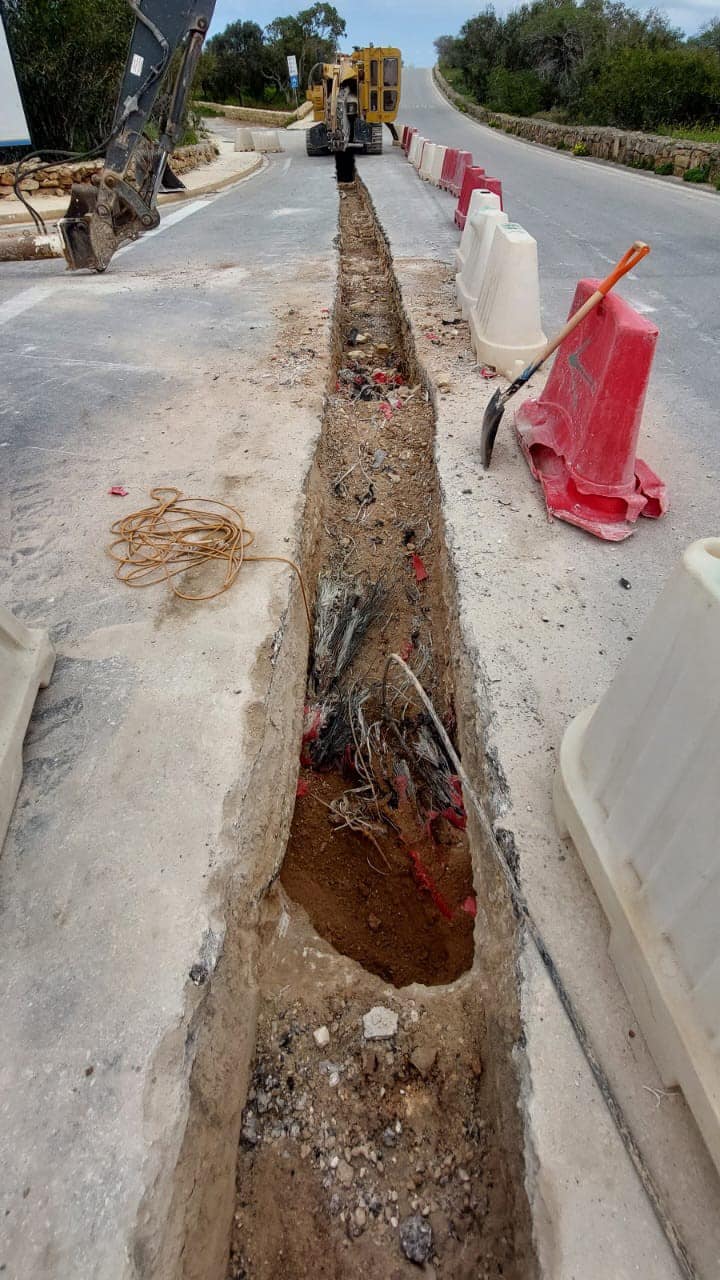
The association referred to the periods of extreme heat that Malta experienced during the months of July and August this year, which were accompanied by widespread and, in some localities, prolonged electricity outages. It noted that interruptions were attributed primarily to faults in the distribution network.
The association said that the consequences of this included that households were left without cooling during dangerously high temperatures, that people dependent on refrigerated medicines or electrically powered medical equipment (e.g. long-term oxygen therapy) faced additional risks.
It said that power cuts do not affect everyone equally. “Relocating to a hotel, purchasing backup generator power or being able to replace spoiled food and medicines should not be normalised, but rather should be considered extremes brought about by dire circumstances. People who can afford to do so are protected as opposed to those on low incomes, older people living alone and persons with chronic illness or disability. Energy resilience is therefore also a matter of health equity. Further to the general population, contingency planning must also identify and support people in more vulnerable situations.”
It noted that for a small island state, energy security means maintaining continuous, affordable and safe power supply through more than additional generating capacity. “It requires a resilient distribution network, diverse energy sources and supply routes, adequate storage, effective demand management, operational redundancy and robust contingency arrangements.”
MAPHM said that Malta remains heavily dependent on imported energy, “with an energy import dependency rate of 98% in 2024, the highest in the European Union.”
It said it supports Malta’s commitments under its updated National Energy and Climate Plan, including diversification towards cleaner energy sources, increased local renewable energy generation, large-scale battery storage and a second electricity interconnector. “At the same time, there should be stricter enforcement of the Energy Performance of Buildings Regulation namely through thorough energy performance assessments.”
It also questioned why, “after over half a decade of conversation around offshore wind farms, we have yet to see any progress in this sector: as of September 2026, we have yet to see any outcomes from three submissions for the concessions received in July 2025.”
Additional generation will not resolve distribution failures
It said that additional generation or interconnection will not resolve failures within the domestic distribution network or cater for the additional demand that Malta is experiencing and will continue to experience.
“Electricity that reaches Malta must still be delivered reliably to homes, hospitals, care facilities and businesses. Equally, the transition towards renewable energy must be accompanied by storage capacity, grid flexibility, demand-response mechanisms and adequate backup capacity. A poorly planned transition could create new vulnerabilities; a well-designed transition will reduce exposure to imported fuel shocks, mitigate climate change and improve long-term health.”
The association has called for action to be taken along three fronts.
The first, is for Malta to accelerate appropriately sited renewable energy generation, promote and support investment in domestic and commercial energy storage devices (batteries), enforce energy efficiency measures and demand management and reduce reliance on interconnection for energy security.
Secondly, it calls for mandatory energy-resilience standards for health and care services.
“Hospitals, health centres, laboratories, pharmacies, blood and medicine stores, residential and nursing homes and emergency communication systems should have audited business continuity arrangements. These should include tested backup generation, appropriate energy reserves, uninterruptible power for critical equipment, renewable energy and battery systems where feasible, and regularly exercised procedures for prolonged outages.”
Thirdly, it is calling for a national energy and health resilience framework, arguing that Malta lacks a comprehensive adaptation strategy document, with key indicators and targets. “This means that the country finds itself unprepared to deal with what is heading its way in terms of energy, food and water crises, which are unavoidable especially given that the world has lost the opportunity to limit long term global average temperature rise to 1.5°C above preindustrial levels.”
Malta, it said, urgently needs a climate adaptation plan.
“Prevention is key. Investment in a resilient, diversified and progressively decarbonised energy system is an investment in patient safety, emergency preparedness, health equity and Malta’s national resilience. Whilst focusing on the lessons learnt following this summer, we are calling for a transparent and independent review with an immediate action plan before summer 2027. This should include a costed adaptation plan and projected increases in temperature, population and tourism, as well as ongoing electrification and peak cooling demand.”
Related
More planning appeals filed in Sliema than anywhere else in Malta
St Julian’s and St Paul’s Bay followed Sliema with 32 third-party appeals each during a six-year period
Enemalta gradually restoring electricity following widespread power cut
It has not yet indicated when electricity supply is expected to be fully restored
Who really holds the power in Malta’s maritime sector? New study maps the key players
New research examines how power, legitimacy and urgency are distributed among the key players in Malta’s maritime logistics sector