


New analysis by Pedament.com shows that third-party planning appeals have become more common, while the time taken to decide cases has fallen considerably.
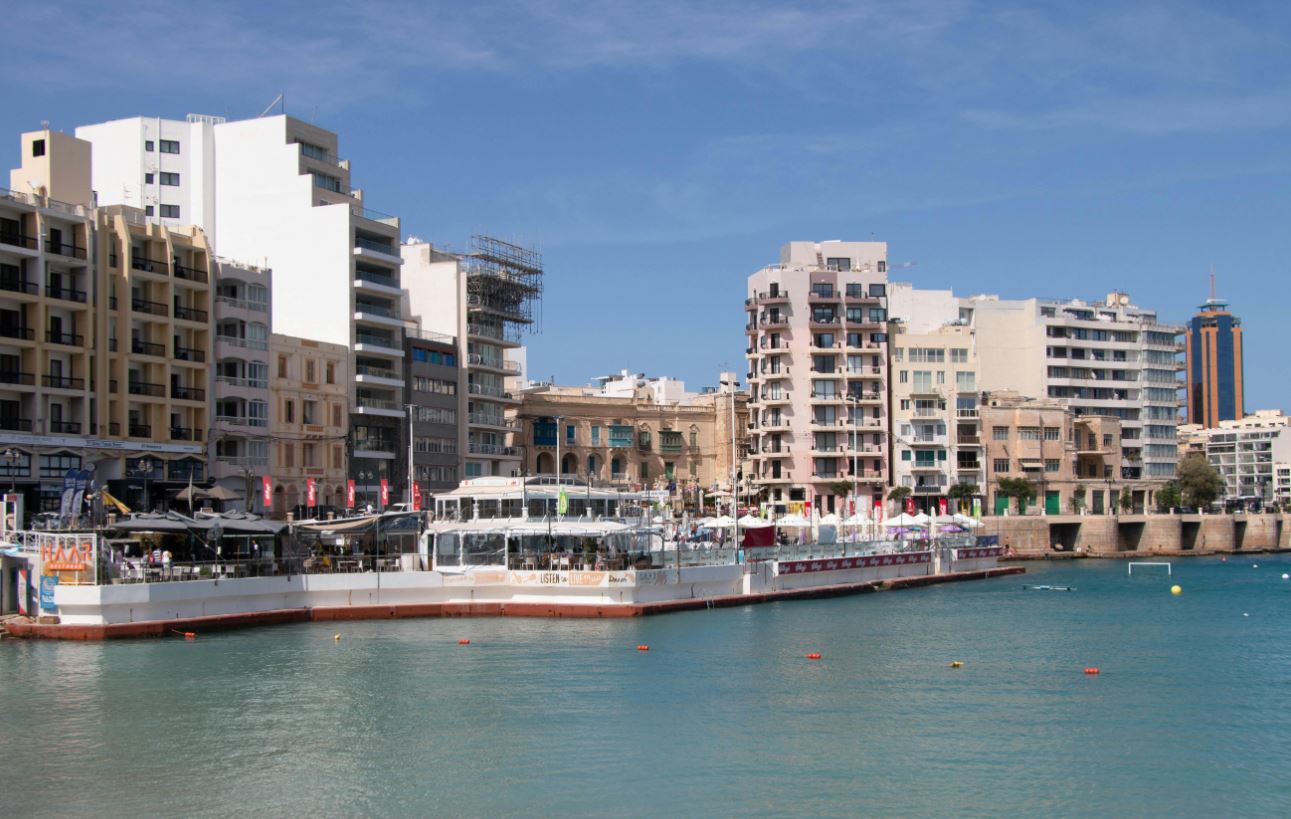
Sliema recorded the highest number of third-party planning appeals in Malta between 2020 and 2025, with 70 appeals lodged against development permits, more than double the number recorded in St Julian’s and St Paul’s Bay.
The analysis examined 9,343 planning appeals lodged with the Environment and Planning Review Tribunal (EPRT) since 2000, matching 98 per cent of them to their corresponding Planning Authority applications.
According to the findings, St Julian’s and St Paul’s Bay followed Sliema with 32 third-party appeals each during the six-year period.
The analysis also identified a concentration of appeals along the Sliema seafront, where one area measuring approximately 700 metres across accounted for 41 appeals.
When measured against the number of permits granted, Sliema recorded 71 third-party appeals per 1,000 permits, followed by smaller localities such as Mdina and Lija, with 60 each, and Għargħur and Iklin, with 59 each.
However, the report noted that these figures do not necessarily represent the proportion of permits appealed, as multiple appeals can concern the same development application.
Planning appeals taking less time to resolve
Beyond the geographical distribution of appeals, the analysis found that the time required to resolve planning disputes has declined significantly in recent years.
The median time taken to decide a planning appeal from its first hearing fell from 18.2 months in 2020 to 7.8 months in 2025.
During the first half of 2026, this fell further to 5.1 months, although the report cautioned that the shorter period covered a smaller sample of decisions.
The number of pending planning appeals has also decreased, from an estimated 914 at the end of 2020 to 328 at the end of 2025.
Meanwhile, third-party appeals have become more frequent. In 2025, a record 138 were lodged, accounting for approximately one-third of all planning appeals filed that year.
Despite this increase, only 1.8 per cent of permits granted in 2025 attracted a third-party appeal, compared to 0.6 per cent in 2014.
The analysis also found that third-party appellants are increasingly securing favourable outcomes. Their success rate, including appeals upheld partially or in full, rose from 13 per cent in 2014 to 44 per cent in 2025.
However, most successful appeals now result in partial victories rather than the complete overturning of a decision.
Sliema has been at the centre of several planning disputes in recent years. Earlier this year, appeals were filed against permits for two proposed 14-storey hotels at the corner of Triq Markiżi Zimmermann Barbaro and Triq Bisazza.
In 2024, the Court of Appeal revoked a permit allowing additional storeys to be built on Ramel Buildings, a historic property on Tower Road.
More recently, in July 2026, the Planning Authority (PA) Board approved revised plans for the long-running Townsquare development in Sliema, following an earlier court judgment. According to the PA, the revisions include the removal of the previously approved hotel component and the reinstatement of a pavilion, alongside internal modifications aimed at improving the project's design and functionality.

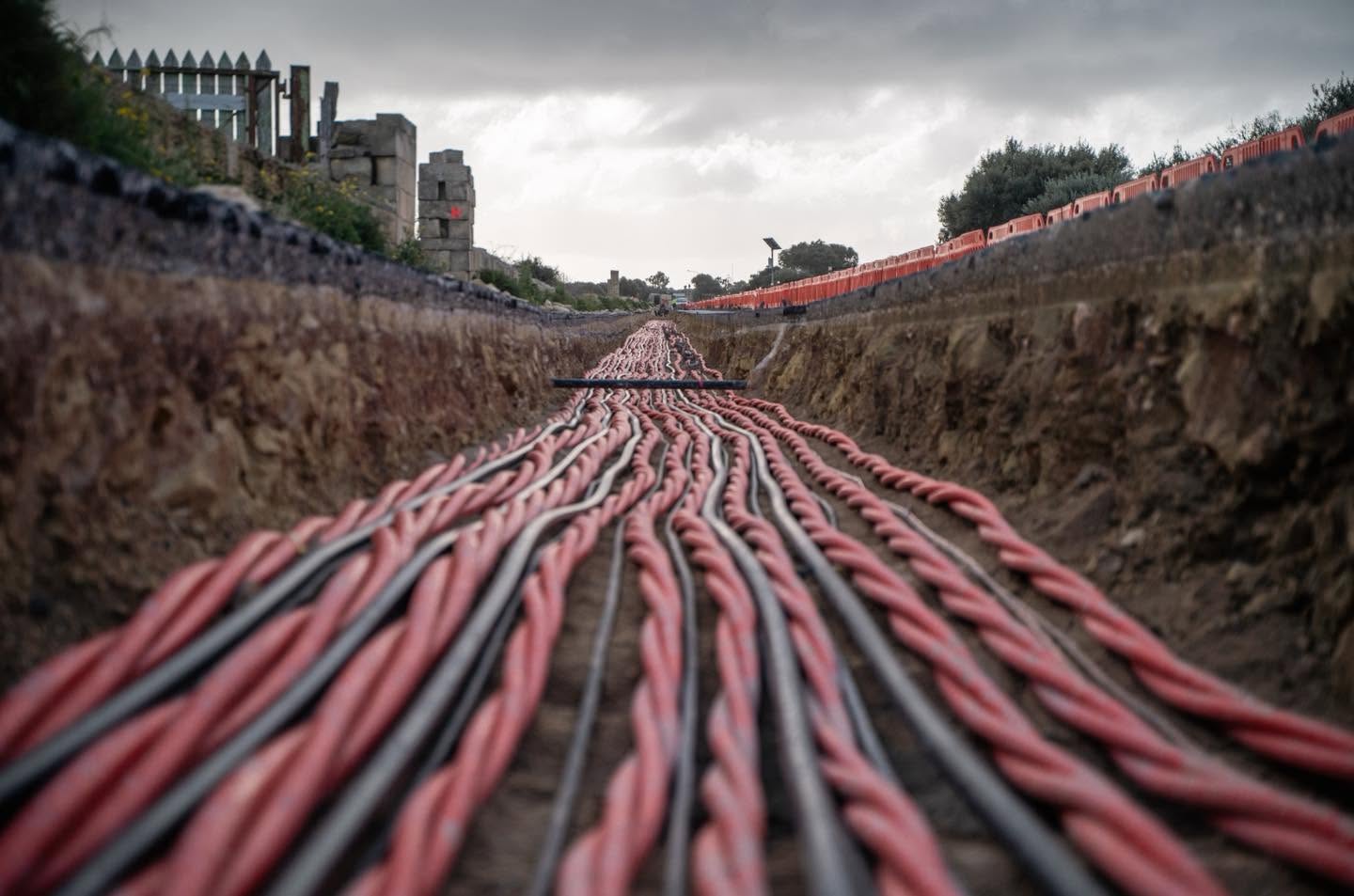
Enemalta gradually restoring electricity following widespread power cut
It has not yet indicated when electricity supply is expected to be fully restored
Who really holds the power in Malta’s maritime sector? New study maps the key players
New research examines how power, legitimacy and urgency are distributed among the key players in Malta’s maritime logistics sector

Malta Chamber hits back at Clyde Caruana over ‘cheap foreign worker’ claims
Chamber says Minister's comments 'misdiagnose the root cause of Malta’s economic bottlenecks'