

Every day, countless goods enter and leave Malta without most of us giving a second thought to what it actually takes to make those transactions happen. Behind every shipment lies a web of commercial agreements, financial safeguards, and carefully managed risks. Who is responsible for the goods once they leave one country? How does a supplier know they'll be paid once a shipment has been dispatched? Who arranges customs clearance, insurance, and transport? And who carries the risk if something goes wrong?
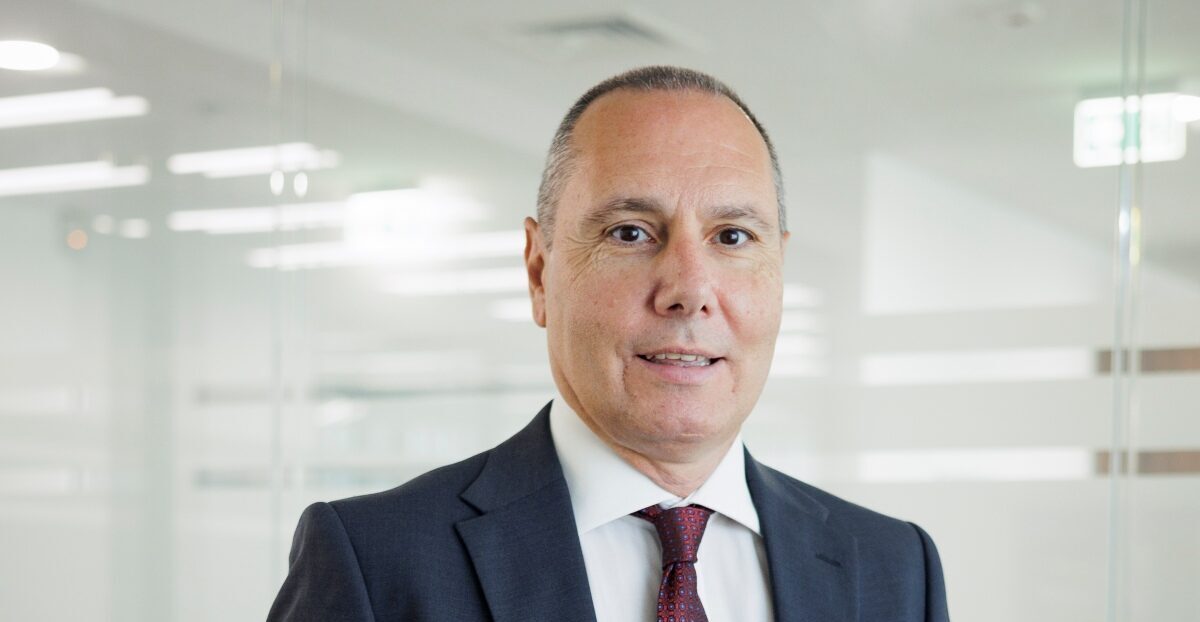
These are precisely the questions that fall within the remit of Joseph Rodgers, Head of Trade Finance at Bank of Valletta. With almost four decades of experience in trade finance, both locally and internationally, Rodgers leads a specialist team dedicated to helping businesses navigate the complexities of cross-border commerce through tailored financial solutions. It is an approach that recently earned international recognition, with Global Banking & Finance Review naming BOV the Best Trade Finance Bank in Malta 2026.
“Trade finance covers the financing, payment, risk management, documentation, and working capital solutions that facilitate the movement of goods through supply chains, and even the delivery of services across domestic and international markets,” Mr Rodgers explains. "It exists to build trust. If an exporter and an importer don't yet have that trust, trade finance is what gives both sides the confidence to do business together.”
Few products illustrate that value better than the letter of credit. While often regarded as one of banking's more technical instruments, its purpose is straightforward. “A letter of credit is essentially an undertaking by the issuing bank to pay the supplier, provided they present the required documents in accordance with the agreed terms and internationally recognised rules,” Mr Rodgers explains.
In practice, both buyer and seller are protected. The exporter gains reassurance that payment will be made once they can demonstrate the goods have been shipped as agreed. The importer, meanwhile, knows payment will only be released once the appropriate documentation has been presented through the banking system.
“When there isn't yet an established relationship between an importer and an exporter, this product becomes invaluable,” Mr Rodgers says. “The supplier has peace of mind that once the shipment has been made and the correct documents presented, they will get paid. The buyer, on the other side, has the comfort of knowing the goods have been shipped before payment is released. It significantly reduces the risk of non-payment, fraud, and disputes.”
Just as important as securing payment is agreeing, from the outset, who is responsible for what. That is where Incoterms come in. Developed by the International Chamber of Commerce, these internationally recognised rules define who arranges transport, customs clearance, and insurance, who bears the costs at each stage of the journey, and precisely when responsibility for the goods transfers from seller to buyer.
“Incoterms cover three fundamental areas: obligations, risks, and costs,” Mr Rodgers explains. “They clearly define who is responsible for each stage of the transaction and, most importantly, the exact point at which risk transfers from the seller to the buyer.”
Misunderstandings, he says, remain surprisingly common. Businesses often assume that because one party is paying for freight, they also carry the risk until the goods arrive. In reality, that isn't always the case. “If those responsibilities aren't clearly understood before a contract is signed, disputes can arise before the goods even arrive,” he notes. “That's why Incoterms are so important as they eliminate ambiguity and help prevent costly misunderstandings.”
Although BOV is not directly involved in negotiating commercial contracts, its specialists regularly advise clients before agreements are signed. “I always encourage our customers, particularly when entering significant international transactions, to speak to us first,” Mr Rodgers says. “We want to ensure they fully understand the risks they're taking on.”
Even when a transaction goes exactly to plan, another challenge that often remains is cash flow. Payment terms of 90, 120, or even 180 days are commonplace in international trade. While the goods may have been delivered, businesses still need to meet payroll, pay suppliers, and cover operating costs long before the money arrives.
To address this, BOV has introduced invoice and bills of exchange financing on a without-recourse basis, allowing businesses to unlock cash tied up in unpaid invoices rather than waiting months for settlement.
“Our customers who sell on credit now have the opportunity to sell that debt to the Bank,” Mr Rodgers explains. “Instead of holding a bill of exchange or invoice until it falls due, they can receive immediate payment for those receivables.” Crucially, the arrangement is offered without recourse, meaning the Bank assumes the credit risk once it purchases the receivable. “The customer is effectively converting debt on their balance sheet into cash at bank. Beyond immediate cash flow, this allows companies to improve liquidity, strengthen their balance sheets, and free up resources to invest in future growth.”
For businesses taking their first steps into international trade, Mr Rodgers is adamant that preparation matters as much as opportunity, especially as today's global trading environment is more complex than ever.
“Malta is not isolated from what's happening around the world,” he notes. “Our businesses face the same challenges as everyone else with supply chain disruptions, geopolitical tensions, sanctions, cybercrime, currency volatility, rising transport costs, and increasing regulatory requirements.”
He encourages businesses to carry out thorough due diligence on prospective trading partners, understand the markets they are entering, and ensure commercial contracts clearly define responsibilities from the outset. “Know who you're dealing with,” he stresses. “Ensure you're fully compliant with international regulations and sanctions, understand which Incoterms apply, choose the right payment mechanism, and don't underestimate the importance of professional legal advice before signing any commercial agreement.”
Above all, he urges businesses not to overlook the expertise available to them. “You don't have to navigate these challenges on your own,” he says. “Speak to banking and trade finance professionals before committing to an international transaction. At BOV, our Trade Finance team is here to help businesses structure transactions properly, manage risk, and trade internationally with confidence.”
Bank of Valletta p.l.c. is a public limited company regulated by the MFSA and is licensed to carry out the business of banking in terms of the Banking Act (Cap. 371 of the Laws of Malta).

Global wealth management firm Apollo in Malta to talk about private wealth
The global wealth management company has $1 trillion AUM and recently joined as a member of PEVCA Malta
BOV strengthens business banking through integration and client focus
BOV Chief Commercial Officer Simon Grech explains how consolidating operations at The Quad has strengthened the bank’s offering to businesses

It costs 143% of minimum wage to rent a two-bedroom flat in Valletta – report
A worker earning minimum wage would theoretically need to spend more than their salary on rent