


It’s been a few months since BOV brought its commercial operations together under one roof at The Quad in Birkirkara. The move saw the bank consolidate its Business Centres, Corporate and Syndicated Finance, Trade Finance, and onboarding teams, which were previously spread across multiple locations around Malta, into a single, central hub. The aim was to make banking more accessible for its business clients and create a true one-stop shop where everything can be handled in one place.
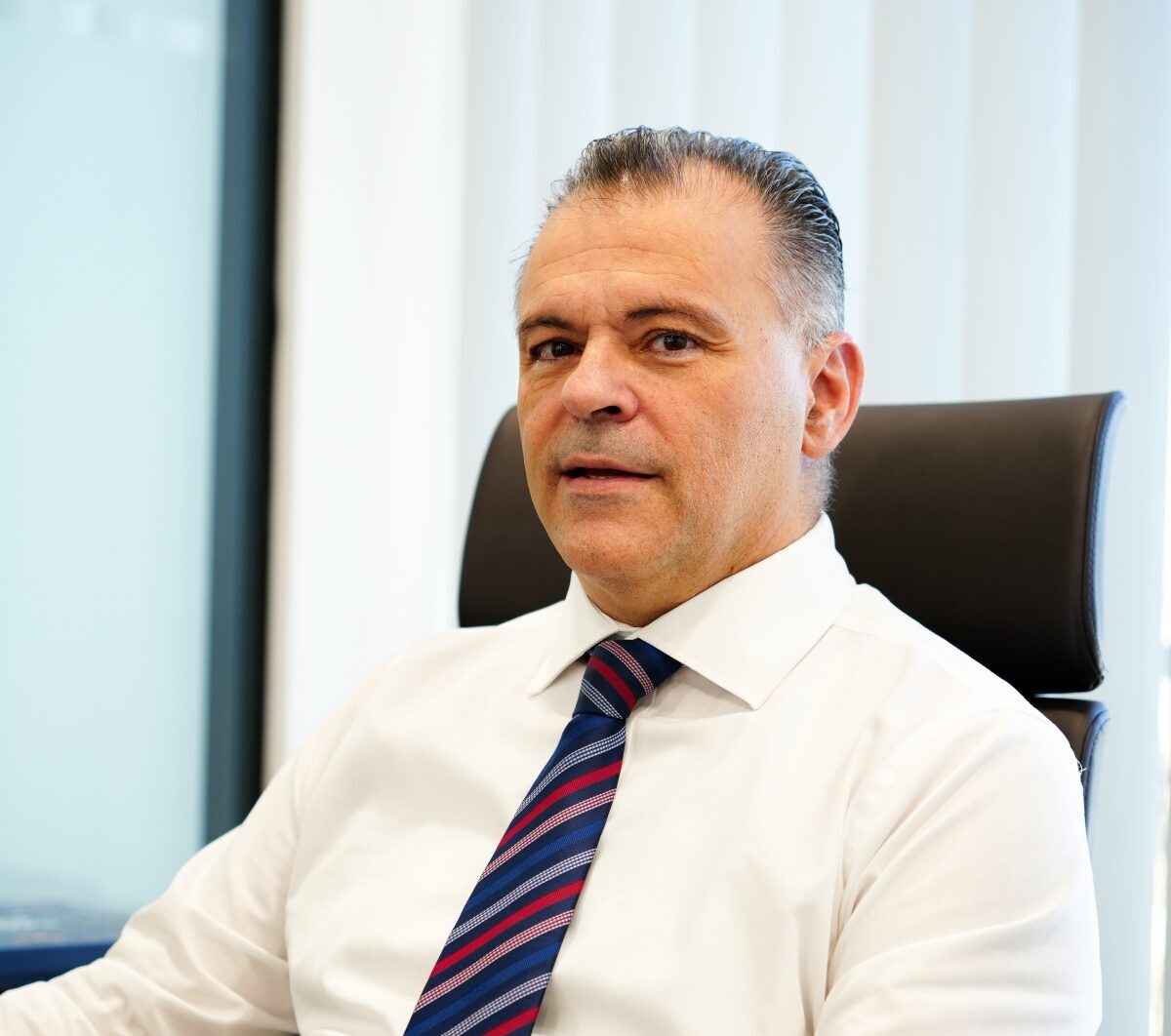
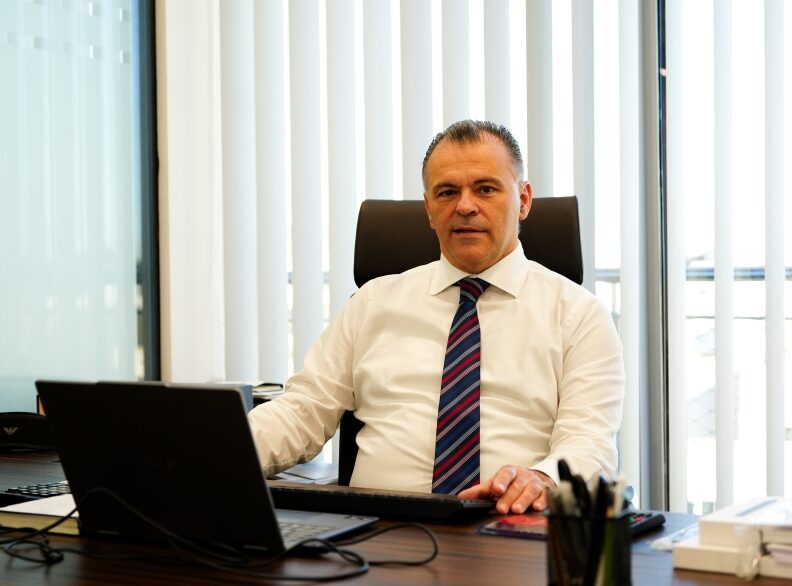
For Chief Commercial Officer Simon Grech, who oversaw the transition, the outcome has been notably smooth. “I’m happy to say that our team settled in very quickly. We had been preparing since the beginning of 2025, and we were able to walk into The Quad and carry on working without closing business. The switch was immediate, which was a huge achievement for the team.”

Just as importantly, the move has landed well with both employees and clients. “It’s been very well accepted on both sides. For our people, it’s a better working environment. They’re closer to each other, which makes collaboration faster and more natural.”
And from a client perspective, the impact has also been immediately tangible. What was once a fragmented experience, moving between different offices for different services, has been replaced by a single, coordinated journey. The response, Mr Grech notes, has been overwhelmingly positive. “We had some concerns about losing proximity when we closed the geographically spread centres,” he admits. “But the experience here ensures better access, excellent parking, and a much more welcoming environment.”
Crucially, the one-stop-shop model is working as intended. Clients who previously needed multiple appointments can resolve everything in one visit, including coordinating EPOS installation and payment setups. The addition of a dedicated business branch within the Hub has further strengthened this experience. “If they need to pick up a guarantee and speak to their relationship manager, they can do it all in one place,” Mr Grech explains. “Overall, it’s going extremely well. Even better than we expected.”
BOV’s relationship management model has also evolved into something more powerful, unlocking its full potential by bringing people, expertise, and decision-making closer together. Even as more digital-first banks position themselves as faster, more agile alternatives, Mr Grech is clear that when it comes to commercial lending, the human element remains indispensable.
“In corporate finance, the one-to-one relationship with a dedicated manager will continue to be essential,” he says. “There is rarely one loan that is exactly like another. When you’re dealing with complex proposals, you need someone who understands your business and can work through the nuances with you.”
This becomes even more important given the wide spectrum of clients BOV serves, from micro enterprises to large corporates. As borrowing becomes more complex, clients are supported through dedicated relationship managers within business credit teams. At the higher end, corporate and syndicate finance handles exposures ranging from €5 million to well over €100 million, demanding more seasoned expertise.
Syndicate financing, particularly on an international scale, is an area where few local players can truly compete with BOV, as it typically involves coordination across jurisdictions, legal frameworks, and risk structures. “Not everyone can do syndicate finance,” Mr Grech notes. “It requires experience, networks, and the ability to manage complexity, areas where BOV stands on a long and proven track record.”
The same applies to sector specialisation. BOV has been steadily building expertise in areas such as aviation, marine, real estate, and hospitality, industries that are often capital-intensive and require tailored financial solutions. “When you bring everyone together, your ability to specialise increases significantly,” Mr Grech explains. “You can match clients with people who truly understand their sector, and that improves both service and risk management.”
Mr Grech points out that BOV’s services for corporate clients extend well beyond lending. Many businesses may not need financing, but instead rely on specialised banking support, including handling international payments, managing high transaction volumes, and facilitating trade finance solutions such as guarantees and letters of credit for overseas operations.
“By offering all of this within the same ecosystem, we ensure that our clients are not passed between generic touchpoints, but instead receive informed, relevant support from a cohesive team that understands their business, all under one roof,” he adds.
As Malta’s largest bank, BOV is acutely aware of its role in supporting businesses through both opportunity and uncertainty. As Mr Grech puts it, “If there weren’t challenges in business, everyone would be doing it.” He mentions growing ESG pressures and ongoing geopolitical tensions, particularly in the Middle East, which are driving up costs for businesses. “For many local businesses, logistics is a very material part of the cost base,” he explains. “When those costs rise, everything from construction to manufacturing is affected.”
And yet, despite all this, Malta’s economy has remained strong, with BOV reporting some of its best years in growth, profitability, and asset quality. Through partnerships with institutions such as the European Investment Bank (EIB), European Investment Fund (EIF), and Malta Development Bank, the bank has been able to extend financing to businesses that might otherwise struggle to access it, such as startups or companies investing in growth and innovation.
“These risk-sharing instruments allow us to support businesses that have strong ideas but may not yet have the capital or collateral,” Mr Grech explains. “We’ve seen many success stories. Clients who started with this support have since grown into established businesses that can now stand on their own.”
This impact was especially evident during the pandemic. Backed by government support through MDB guarantees, BOV played a leading role in issuing COVID loans, with the vast majority of businesses honouring their commitments. “Most of those loans are now repaid and closed. I believe this has been one of the secrets behind Malta’s economic resilience through the pandemic.”
Even with a leading position in Malta’s commercial banking sector, Mr Grech emphasises that BOV is not acting with complacency. “We measure our success not just in numbers, but in relationships. Through the clients who continue to grow with us and the new businesses choosing to come on board,” he says. “That’s why BOV is already working on further enhancements with business clients’ needs in mind, including a dedicated customer service line designed to provide faster, more direct access to the right people. This is part of our broader commitment to evolve in step with Malta’s business community.”
Bank of Valletta p.l.c. is a public limited company regulated by the MFSA and is licensed to carry out the business of banking in terms of the Banking Act (Cap. 371 of the Laws of Malta).

Malta looks to China and Asia to diversify tourism markets
The partnership aims to promote Malta, diversify its tourism offering and boost sustainability

Strong demand for Malta Government Stocks as offers reach €617 million
The Government had initially authorised an issue of €300 million

Employers call for ‘decisive’ shift in public spending ahead of Budget 2027
The upcoming Budget 'must be judged' on its capacity to deliver long-term transformation, not just sustain short-term consumption