


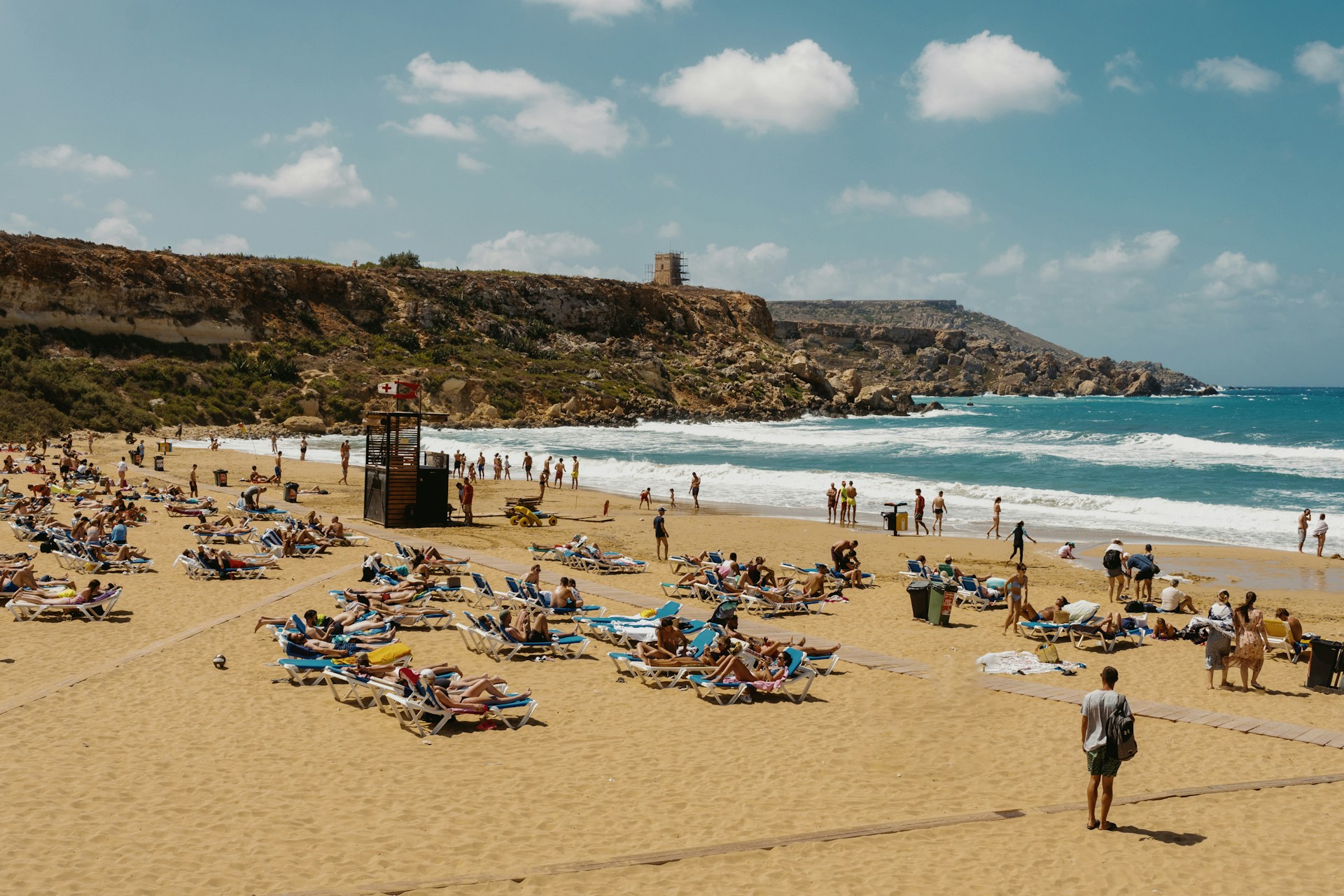
The water quality of Malta’s beaches has declined over the last decade, with what were once Europe’s cleanest beaches now simply average.
Back in 2016, 86 of Malta’s 87 registered beaches were rated ‘excellent’. In 2025, that number stood at 77, with 8 classified as ‘good’ and another 2 merely ‘sufficient’.
That means that Malta, which could once boast of having the cleanest coastal beaches in the EU (together with Cyprus), can now only say it has slightly-cleaner-than-average ones.
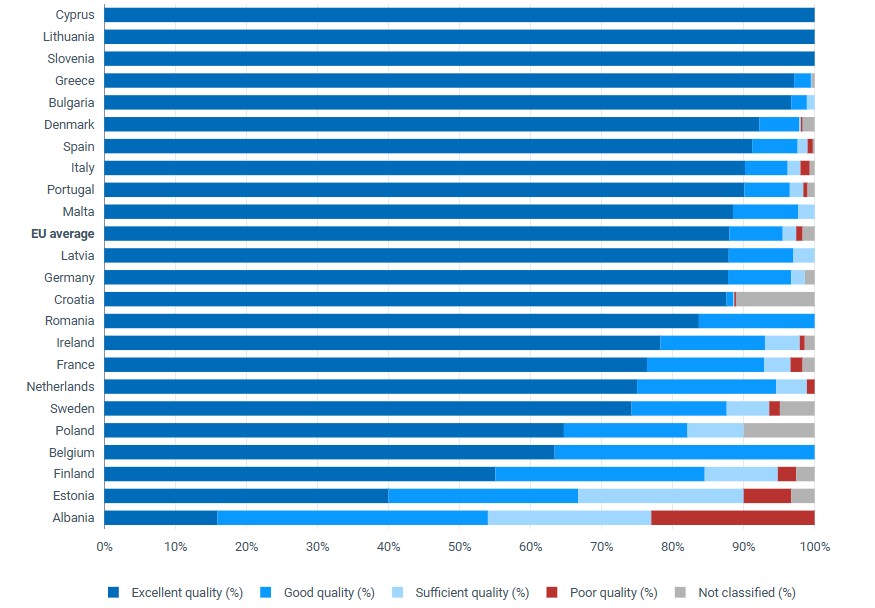
Thanks to the EU’s stringent regulations relating to bathing waters, even an average performance, as measured by concentrations of E. coli and intestinal enterococci, two bacteria that can pose health risks, indicates a high level of safety and quality.
Under the Bathing Water Directive, European countries must take samples of water from registered beaches, with Malta’s Environmental Health Directorate publishing weekly updates of the results to its social media.
A review of these weekly updates reveals the stark decline in water quality seen over the last decade.
In the 13th week of the 2016 season, covering 8th to 14th August, all bar one of Malta's beaches had excellent water quality.
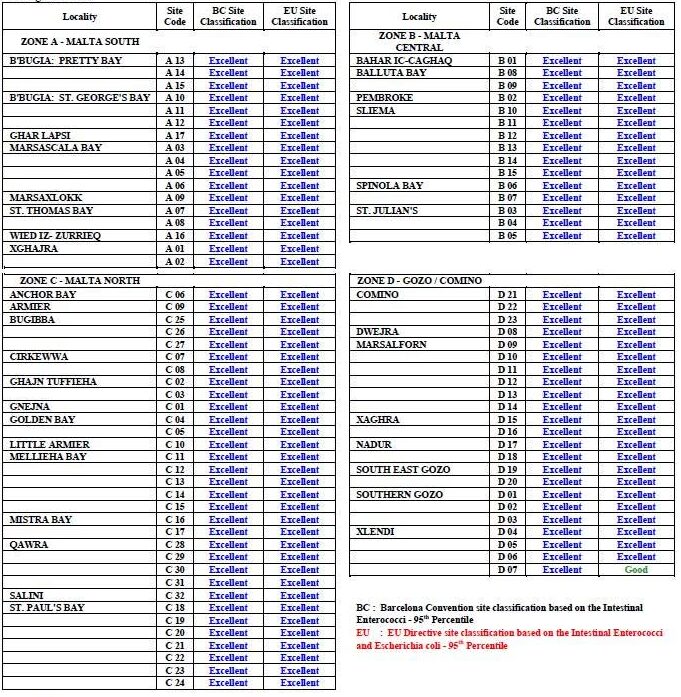
The same survey of the 13th week of the 2026 season, covering 3rd to 9th August, tells a different story.
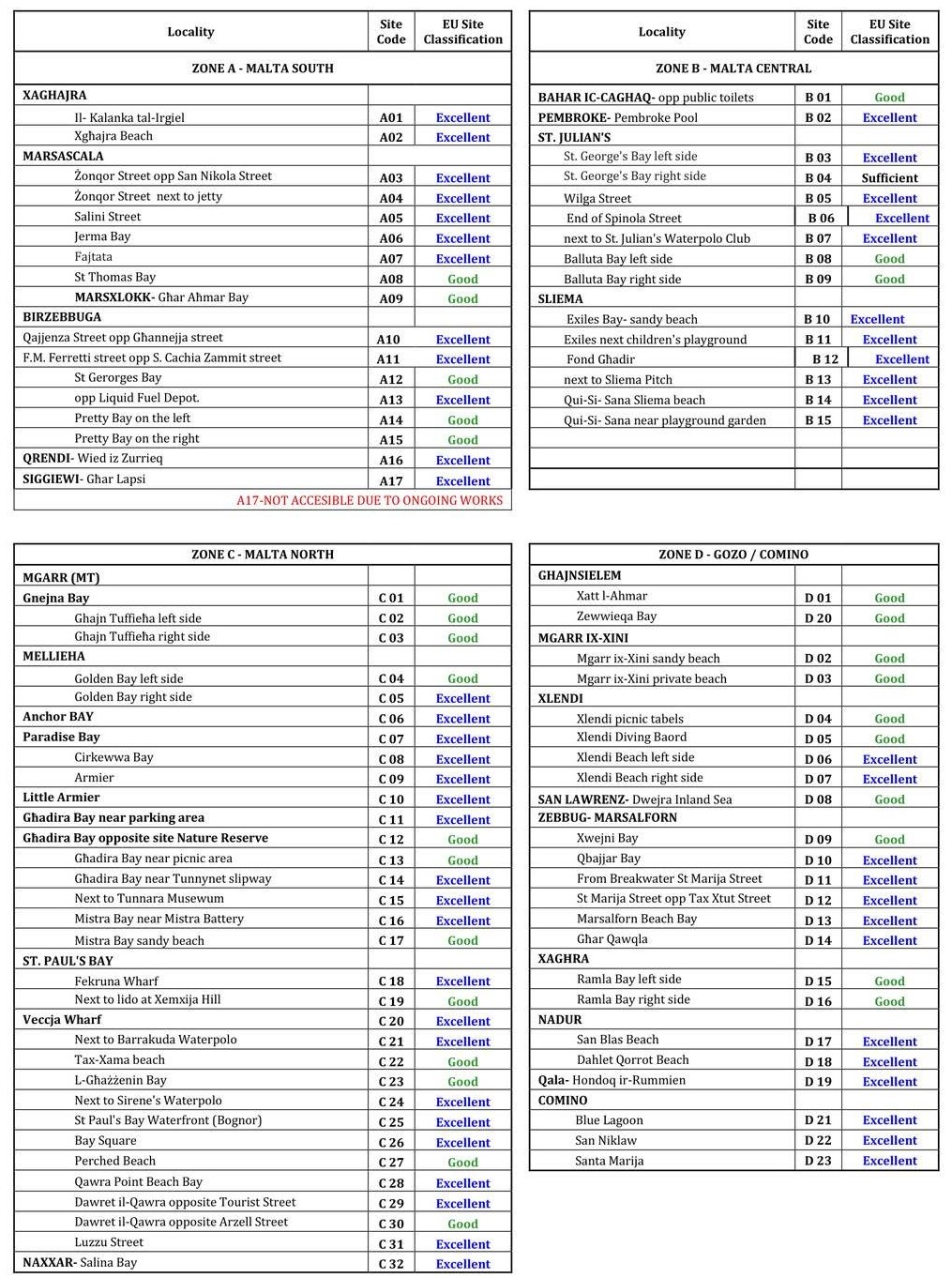
Of Malta's 87 bathing sites surveyed in the beginning of August 2026, only 56 were rated ‘excellent’, with 30 rated ‘good’ and one – the right side of St George’s Bay – rated merely ‘sufficient’.
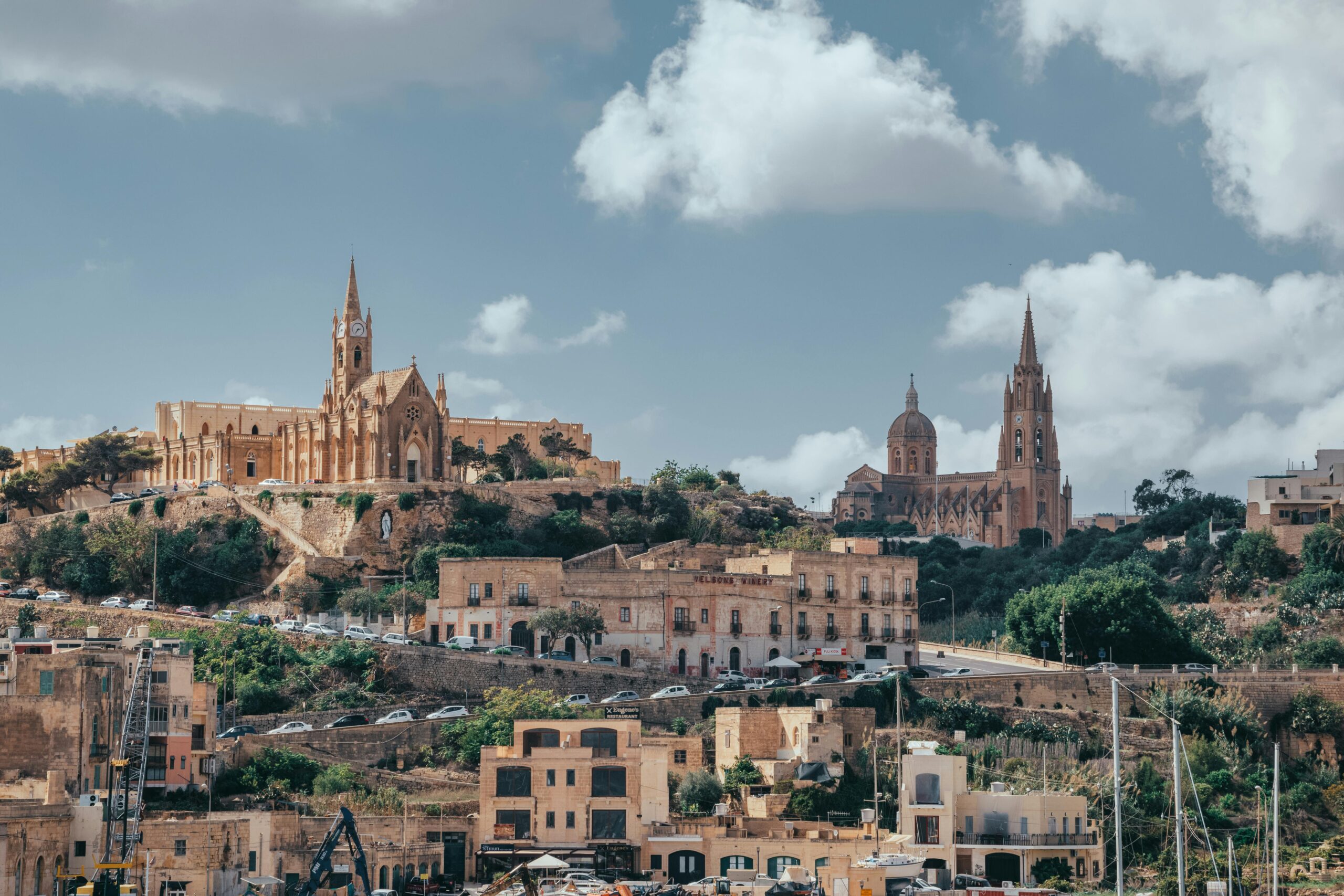
Surprisingly, Gozo has the lowest percentage of excellent waters, with just 56.5 per cent of beaches making the grade.
Featured Image:
Emmanuel Cassar / Unsplash
MIA sees emissions per passenger fall as traffic tops 10 million during 2025
Malta International Airport’s revenue increased by 9.9% to €157 million in 2025
MFSA warns public about website impersonating the Authority
The MFSA urged the public to exercise caution and verify website URLs and email addresses
Budget 2027: MMF proposes National Maritime Certification Centre, cadet scheme to address skills shortage
Maritime sector requires renewed attention and resources to enable it to achieve the set objectives, MMF says