


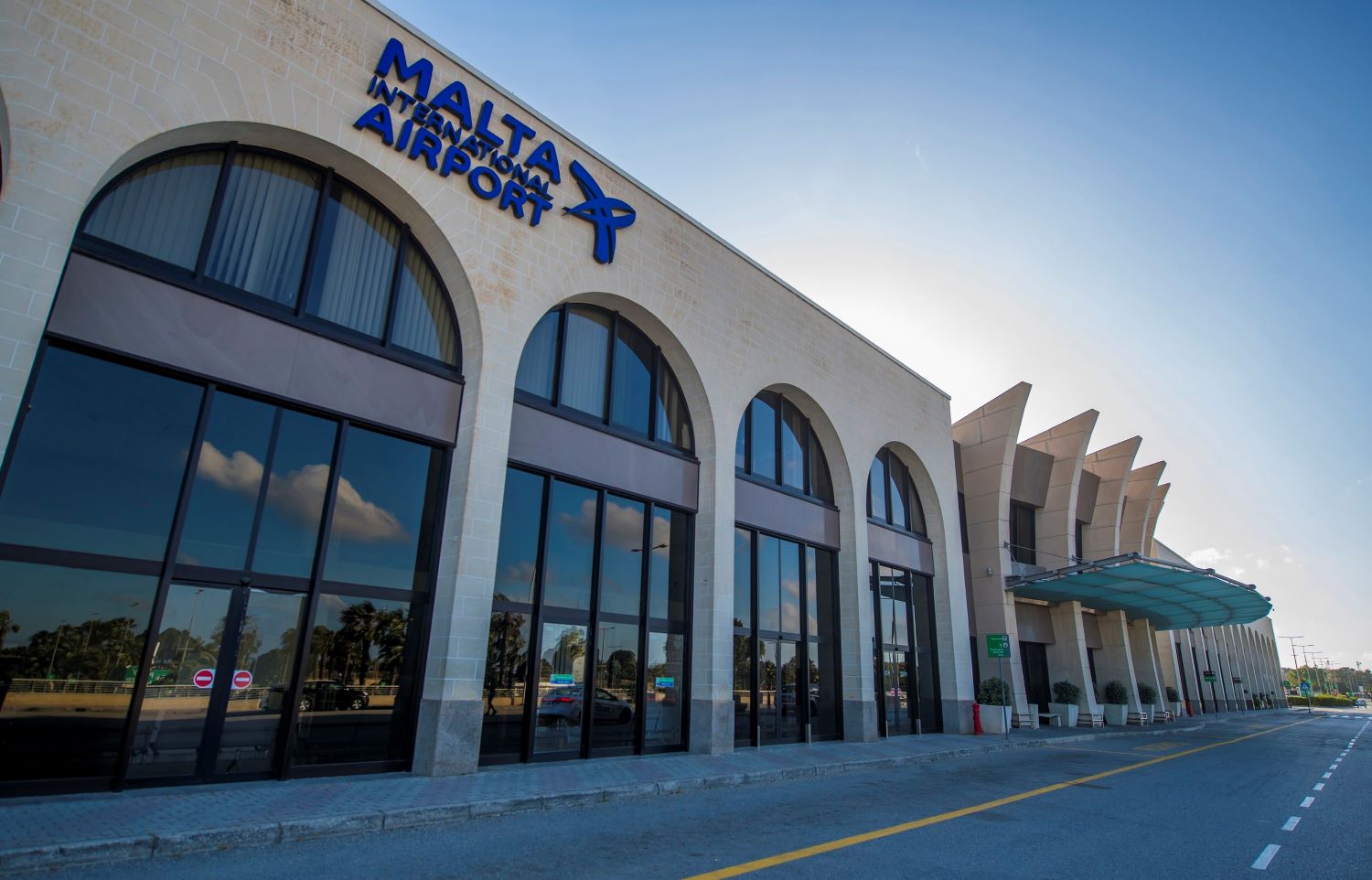
Malta International Airport handled more than 10 million passengers in 2025, as it reduced its carbon emissions per passenger by 3 per cent, according to its latest sustainability report.
The airport welcomed over 10 million passengers during the year, which is an increase of 12.3 per cent over 2024, while its Scope 1 and 2 emissions intensity fell to 0.54kg of CO₂ per passenger.
The figures highlight the airport’s efforts to manage the environmental impact of growing traffic, with electricity consumption increasing by just 0.5 per cent despite the rise in passenger numbers.
Malta International Airport’s revenue also increased by 9.9 per cent to €157 million in 2025, while capital expenditure reached €61.6 million.
One of the airport’s main environmental investments during the year was the commissioning of its fifth photovoltaic farm in December.
The installation comprises more than 10,000 panels spread across approximately 27,600 square metres and is expected to generate around 5.1 million kWh of clean electricity annually.
The airport also continued its vehicle fleet replacement programme, with almost 30 per cent of its fleet now comprising lower-emission vehicles.
However, total fuel consumption increased by 32 per cent during 2025. The company attributed this partly to more frequent use of operational vehicles to meet higher demand, as well as increased fuel use by its Rescue and Firefighting Department.
The report also points to improvements in water management, with total water consumption declining by 9 per cent to 30,440 cubic metres.
Rainwater harvesting increased by 175 per cent, supported by rainfall and the addition of a 10,605-cubic-metre reservoir. Meanwhile, consumption of water supplied by the Water Services Corporation fell by 35 per cent, while groundwater use increased by 7 per cent.
The airport also reported a 9.7 per cent increase in recycled waste, alongside a 141.2 per cent rise in organic and green waste sent for energy recovery.
Investment and passenger experience
Alongside its sustainability initiatives, Malta International Airport continued investing in its infrastructure, with capital expenditure reaching €61.6 million in 2025.
Completed projects included an extension to Apron 8, rehabilitation works on aircraft stands and service roads, and the opening of a new VIP Terminal. Construction also began on SkyParks 2.
The airport said it outperformed the European average across all 31 Airport Service Quality indicators and remained among Europe’s top-performing airports in its size category for the eighth consecutive year.
Its workforce increased to 538 employees by the end of 2025, while the company approved more than €220,000 in donations following a review of over 80 requests for support.

MFSA warns public about website impersonating the Authority
The MFSA urged the public to exercise caution and verify website URLs and email addresses
Budget 2027: MMF proposes National Maritime Certification Centre, cadet scheme to address skills shortage
Maritime sector requires renewed attention and resources to enable it to achieve the set objectives, MMF says

Commitment of $2 billion in new investment in Malta announced during WTTC Global Summit
The announcement was made during the WTTC Global Summit in Valletta