


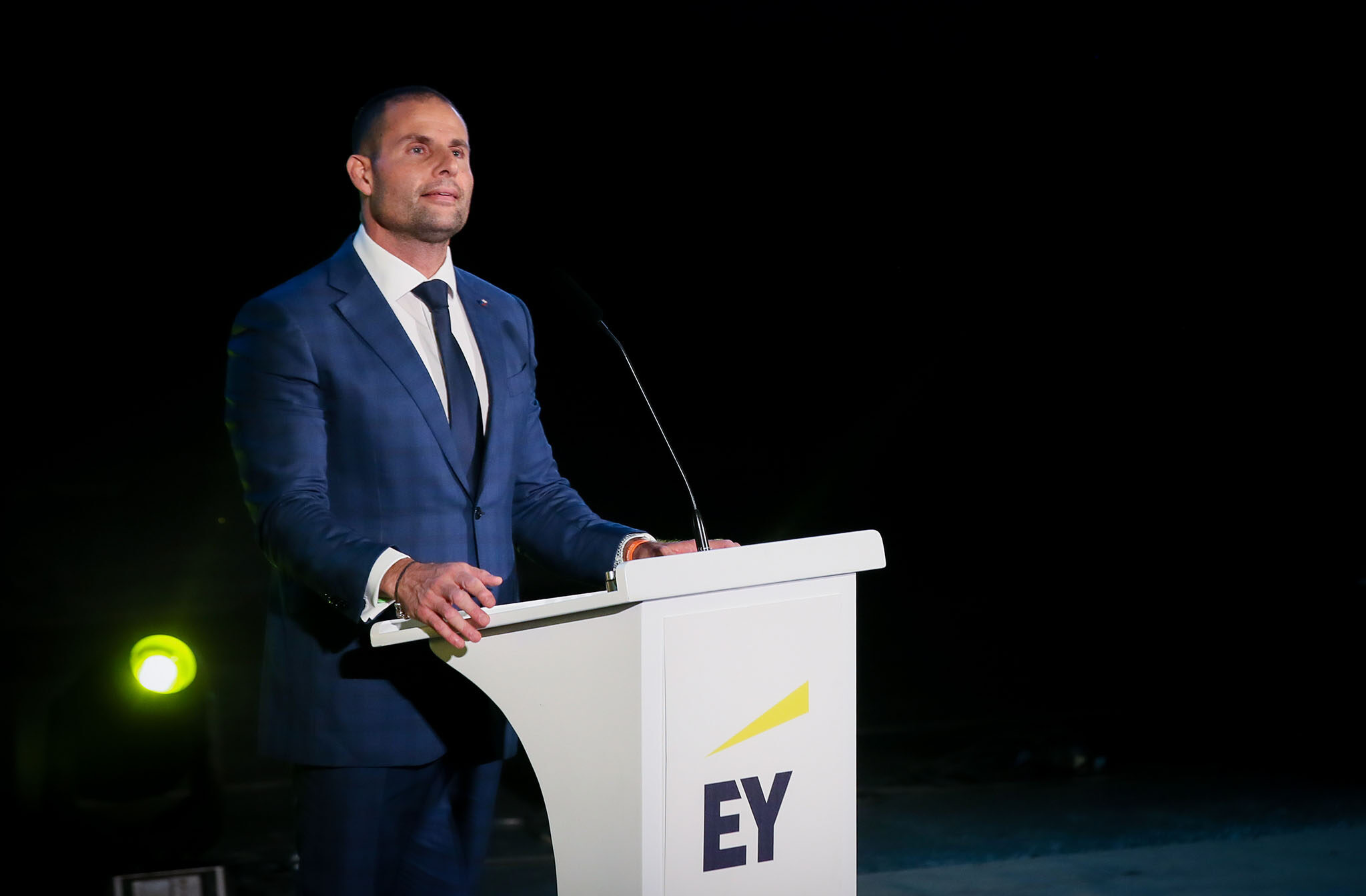
“The success of our future demands that we make decisive choices” about economic priorities, said Prime Minister Robert Abela during his speech at the EY Future Realised 2024 event.
The Prime Minister emphasised the significance of the conference’s theme in the context of Malta’s current realities. Dr Abela highlighted Malta’s economy, which, despite facing major challenges such as the pandemic and inflation in the energy sector, continues to thrive, he says.
He outlined Malta’s Vision 2050, describing it as an “ambitious and comprehensive” strategy designed to tackle the challenges and seize the opportunities of the modern era.
He also pointed to the country’s strength in sectors like tourism, manufacturing, and remote gaming as key examples of this resilience.
Reflecting on Malta’s social progress, Dr Abela noted that in 2013, fewer than half of Maltese women were in the workforce, but the situation “has now drastically changed.”
He then outlined the need to focus on different priorities for the future, specifying three key challenges that his administration aims to address:
- Ensuring that investment in Malta generates high-quality, value-added jobs rather than just increasing the quantity of employment.
- Shifting Malta’s employment policies from simply creating jobs to enhancing the skills and competencies of workers.
- Transforming Malta’s economic goals, moving away from solely striving for Europe’s highest economic growth rates, towards becoming a leader in digital transformation and sustainability.
The Prime Minister also highlighted the “Government’s efforts to address emerging realities,” including attracting foreign investment, implementing new immigration policies, and taking immediate measures to tackle traffic issues. He added that progress is being made in the submission of bids for offshore wind farms.
Dr Abela’s comments followed the release of a survey earlier in the day, which revealed concerns over Malta’s declining attractiveness to foreign investors, citing issues such as transparency, skills shortages, and infrastructural weaknesses.
In a speech delivered at the same event, Christopher Vassallo Cesareo, President of The Malta Chamber of Commerce, Enterprise and Industry, called on Malta’s leaders to prioritise sustainable growth to prevent the collapse of the nation’s infrastructure. He highlighted several pressing challenges that threaten not only business productivity but also the quality of life on the islands, including a shortage of skilled workers, traffic congestion, overpopulation, and the environmental toll of over-tourism.
“The focus on headline economic indicators such as GDP growth and unemployment rates often overlooks the societal costs of pursuing growth at any price,” he cautioned.
Mr Vassallo Cesareo urged for a more balanced approach, advocating for policies that align economic growth with sustainable development, ensuring the well-being of all citizens. He warned that Malta’s current economic model, which relies heavily on increasing the number of foreign workers and tourists, is unsustainable.
He also pointed to rising housing prices, overstretched public services, and growing pressure on infrastructure, such as roads and utilities, as signs of this strain. Without significant changes, he warned, Malta risks the collapse of its essential services and infrastructure.
PA starts process to remove tract of land in Żejtun from development zone
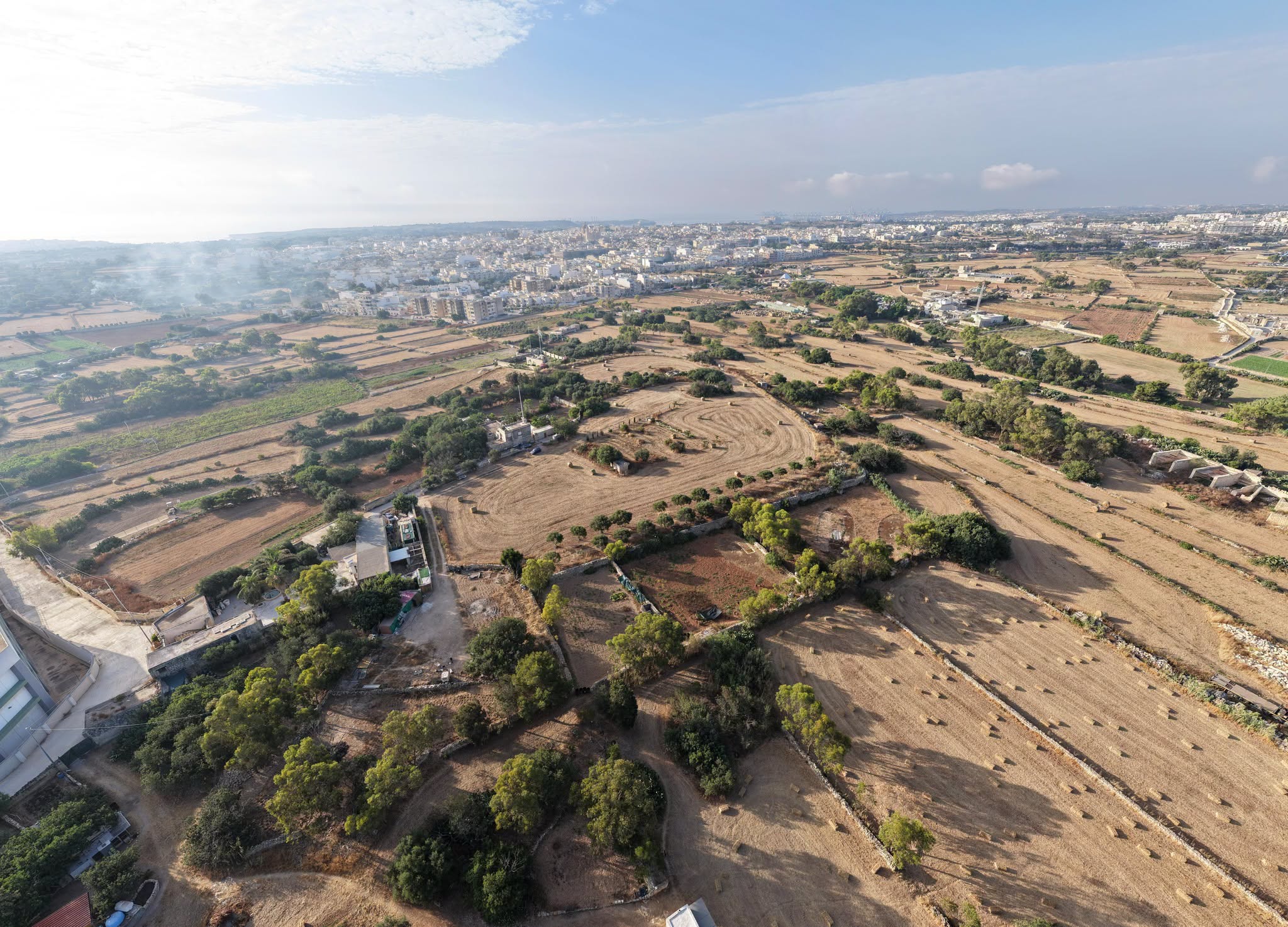
Planning Authority says the review is being undertaken in recognition of the area’s ‘high agricultural, ecological and cultural value’

New agreement will lead to preferential rates for Linux certification courses, organisation says
Through this deal, OSSMalta will act as a sort of distributor and agent for the LPI courses, OSSMalta founder says

Malta’s Financial Services Arbiter orders Crypto.com to refund scam victim
It was ordered to refund €4,465 plus interest, covering 40% of the victim's loss