


Family businesses have long been heralded as the bedrock of the Maltese economic landscape. Yet, operating a company where boardroom dynamics overlap with dining table politics presents a unique set of challenges.
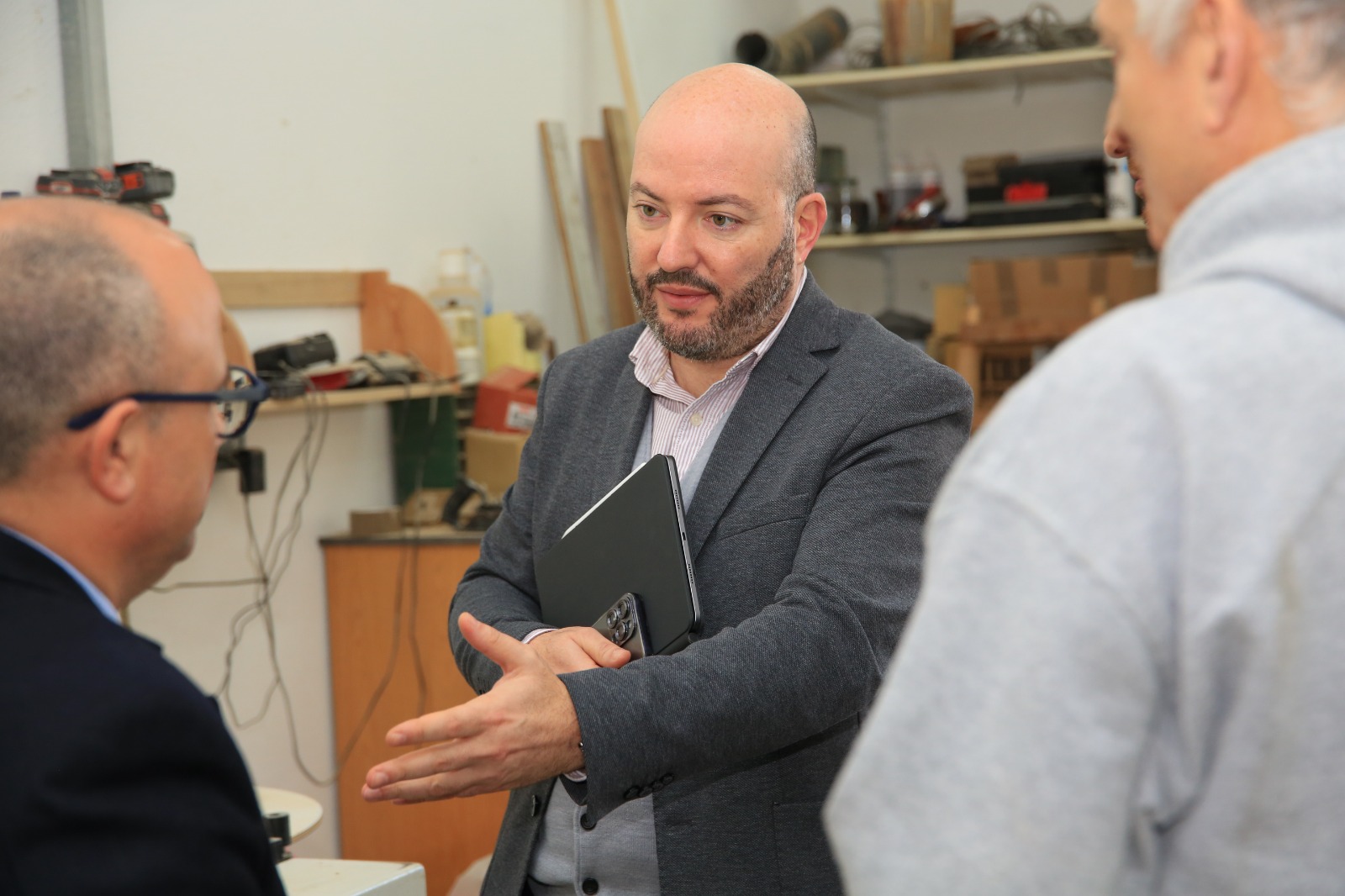
To understand how these traditional enterprises are modernising to secure their legacies, we sat down with Joseph Gerada, Regulator at the Family Business Office (FBO), fresh from a comprehensive business outreach initiative across the sister island of Gozo.
The FBO’s recent outreach drive in Gozo was born out of a statistical reality: proportionately, the sister island relies far more heavily on family-owned enterprises than the mainland.
“If you look at the per capita ratio, you will see there are more family businesses in Gozo than in Malta,” Dr Gerada explains. “As the Family Business Office, we realise the immense importance of Gozo as part of our economy.”
Operating in Gozo comes with the distinct challenge of double insularity. Dr Gerada notes that heavy reliance on the ferry service directly impacts transport costs, while a predominantly localised client base makes it difficult to compete on a wider scale. Yet, these precise hurdles have bred a remarkable tenacity.
“The element of survival in Gozo is stronger than it is in Malta,” he observes. “Family businesses tend to be very resilient, but in Gozo they’re even more resilient, partly because of the unique obstacles they face compared to their peers. Because of their traditional legacy, Gozitan families are more close-knit, and they actively try to involve the new generation more in the business.”
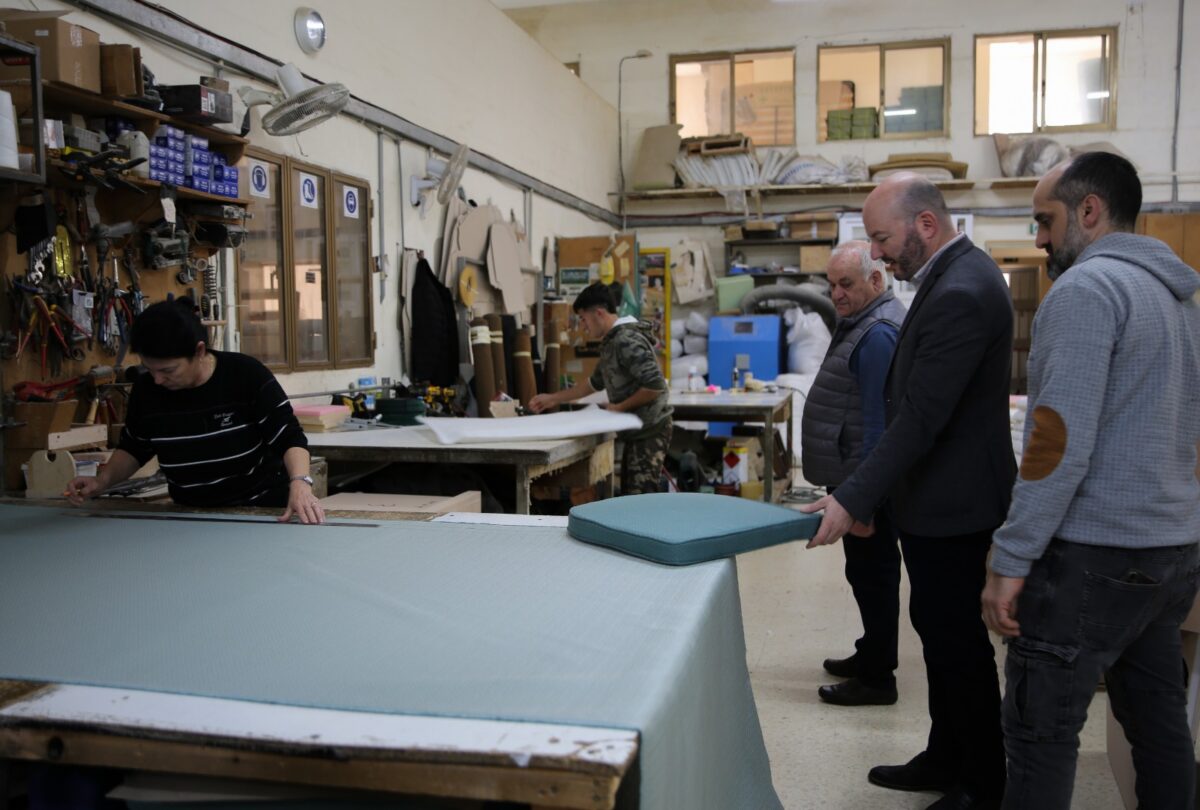
Building on these foundations, the FBO is keen to help these enterprises expand their horizons. Dr Gerada highlights the untapped potential of local innovators, citing a Gozitan micro-business that manufactures bespoke, medically tailored mattresses by way of example. “Consumers frequently look to foreign markets to source products when we have local businesses manufacturing them locally, which would be cheaper and would further support our economy,” he says, pointing toward a need for stronger promotional campaigns to elevate local talent.
When it comes to family businesses, it is an age-old business adage that the first generation builds, the second grows, and the third consumes. So, how is the FBO actively helping companies break the so-called ‘third-generation curse’? For Dr Gerada, the answer lies in proactive, rather than reactive, succession planning.
“Human beings by nature think they are here forever,” Dr Gerada reflects. “But you can’t pass the business to the next generation without preparing them. You would be doing the business a disservice if you leave them to deal with the aftermath of losing a key role player without a plan.”
His advice to founders is uncompromisingly clear: put all your ducks in a row to ensure your physical presence will eventually be irrelevant. To facilitate this, the FBO offers the Family Business Grant Scheme, providing up to €20,000 to engage professional advisors for succession planning. Acknowledging that succession can sometimes breed conflict, the scheme also covers up to €2,500 for mediation services to resolve internal disputes before they damage the commercial operation.
Furthermore, Malta is unique in how it incentivises the timely transfer of assets. “We decided to give tax relief to family businesses transferring the business within the lifetime of the owners,” Dr Gerada notes, highlighting the reduction on stamp duty for inter vivos transfers. “It is better to incentivise founders to do the transfer now, within their lifetime, because they will be present to oversee the transition.”
A recurring theme in Dr Gerada’s advisory work is the crucial need for ‘Mom and Pop’ entities to transition into formal corporate structures. While informal, trust-based leadership works in the beginning, growth demands structural evolution.
“I meet a lot of businesses that have been operating in a certain way that worked over the years, and they do not revise those structures as they grow,” he warns, citing instances where sole traders employing dozens of staff continue to carry full personal liability. Once a founder steps down and siblings view themselves as equals, the lack of formal governance can lead to catastrophic litigation.
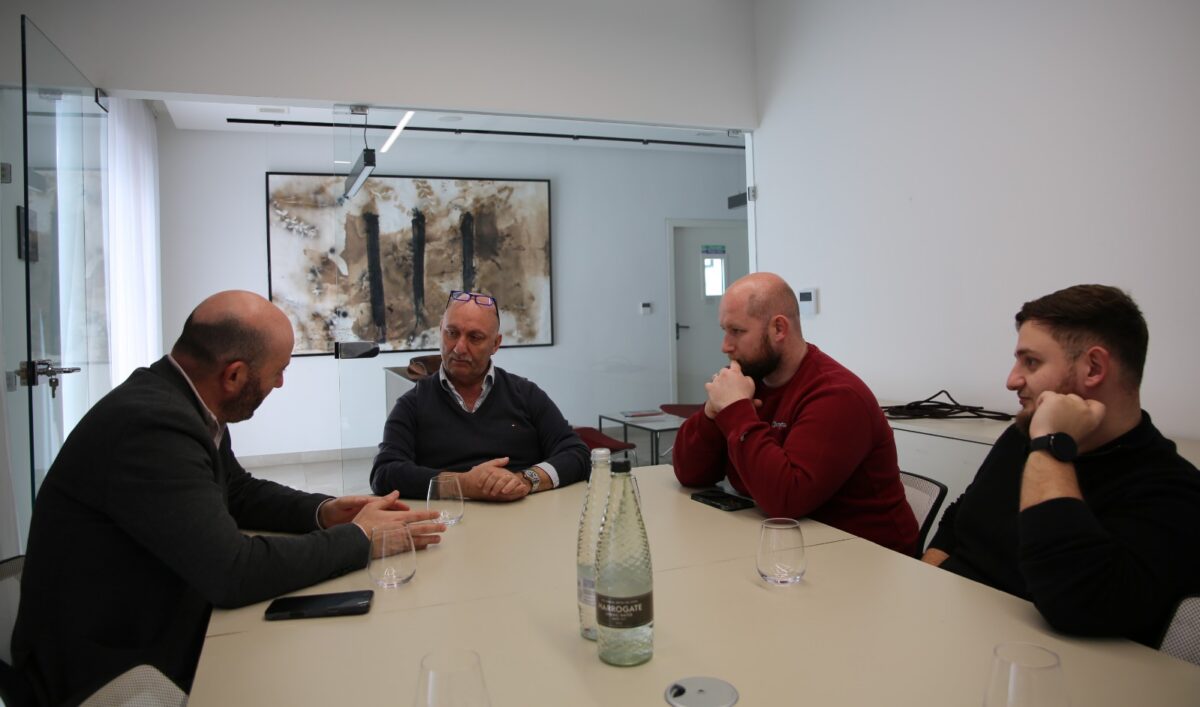
Establishing clear boundaries between the boardroom and the family home is difficult, but essential. “The livelihood of the family is at stake, so they’re prepared to make sacrifices, take fewer dividends, and reinvest more,” Dr Gerada notes. “It might sound contradictory, but we encourage family businesses to put the right structures in place so that they separate family dynamics from the business. This includes having external players within the business – independent directors – who can give an objective view without the emotional elements of family relationships.”
Registering with the FBO – a streamlined process with a mere €100 administrative fee – unlocks a suite of tangible benefits. Aside from succession grants, registered family businesses benefit from an increased capping on the Micro Invest scheme, allowing them to claim up to €70,000 (as opposed to the standard €50,000) when reinvesting. A recent Memorandum of Understanding with Servizzi Ewropej f’Malta (SEM) also ensures that these businesses are better guided in tapping into lucrative EU funding.
Looking to the future, the FBO shows no signs of slowing down. The office is currently rolling out a fully funded training programme tailored specifically for the next gen of family members, covering essential topics from statutory obligations to digitalisation. Additionally, the FBO is working on legislative amendments to the Family Business Act to better reflect modern realities, and is exploring the launch of the Family Business Awards to celebrate local commercial excellence.
Ultimately, Dr Gerada notes a refreshing cultural shift within the landscape. Where family businesses were once highly secretive, a new generation is stepping forward, willing to share their stories and seek external expertise. “Bringing in that external expertise is the first practical step a family business owner should take to strengthen their business’ future,” he concludes, noting that, as Malta and Gozo’s economic engines continue to evolve, the FBO is there to help ensure that their legacies are primed for generations to come.
Malta sets up group to make share trades settle faster by 2027
The move aligns Malta with a broader EU-wide initiative to shorten settlement times
Is Malta emerging as a preferred hub for EMI licensing as Lithuania tightens oversight?
People are highlighting Malta’s positioning as an alternative jurisdiction to Lithuania when it comes to EMI licensing
Corinthia to develop luxury Tuscan resort in latest Italy expansion move
The new project is named Borgo di Perolla