



With the 2026 FIFA World Cup across millions of tv and mobile screens, businesses across multiple sectors are paying close attention to an economic phenomenon that extends far beyond football.
A recent industry report by Affnook projects that global betting activity linked to the tournament could exceed $150 billion, making it one of the largest single-event commercial opportunities in modern sports. The tournament, which will be hosted across the United States, Canada and Mexico, will feature 48 nations and 104 matches – the largest World Cup in history.
While betting operators are expected to be among the biggest beneficiaries, the implications stretch much further. The event highlights the growing influence of mobile-first commerce, digital payments, data-driven marketing and real-time consumer engagement.
The report notes that approximately 60 per cent of football fans globally plan to place wagers during the tournament, while an estimated 20 per cent of bettors are expected to be first-time users.
For payment providers, fintech companies and digital service platforms, this influx of new users represents a significant opportunity.
The World Cup is also expected to drive substantial growth in live, in-play betting, with consumers increasingly engaging through smartphones while watching matches. Industry analysts suggest this trend mirrors wider shifts in consumer behaviour, where real-time decision-making and personalised digital experiences are becoming the norm.
Artificial intelligence is another factor shaping the market. Operators are increasingly using AI to personalise offers, recommend products and adjust pricing dynamically based on user behaviour. Similar technologies are already being adopted across sectors ranging from retail and banking to travel and hospitality.
The tournament's commercial significance is further amplified by the expansion of regulated betting markets worldwide. Since the 2022 World Cup, several countries have introduced or expanded online betting frameworks, opening new opportunities for international operators and digital businesses.
Now, World Cup is increasingly being viewed not only as a football spectacle but also as a case study in how technology, consumer engagement and digital commerce continue to evolve.


Tourist spending hits €1.21 billion in Malta in second quarter of 2026
The average length of stay per tourist dropped from six nights in 2025 to 5.5 nights this year

Revolut won’t disclose number of data breach victims in Malta, but there is at least one
Hackers obtained files by compromising an Italian government email system
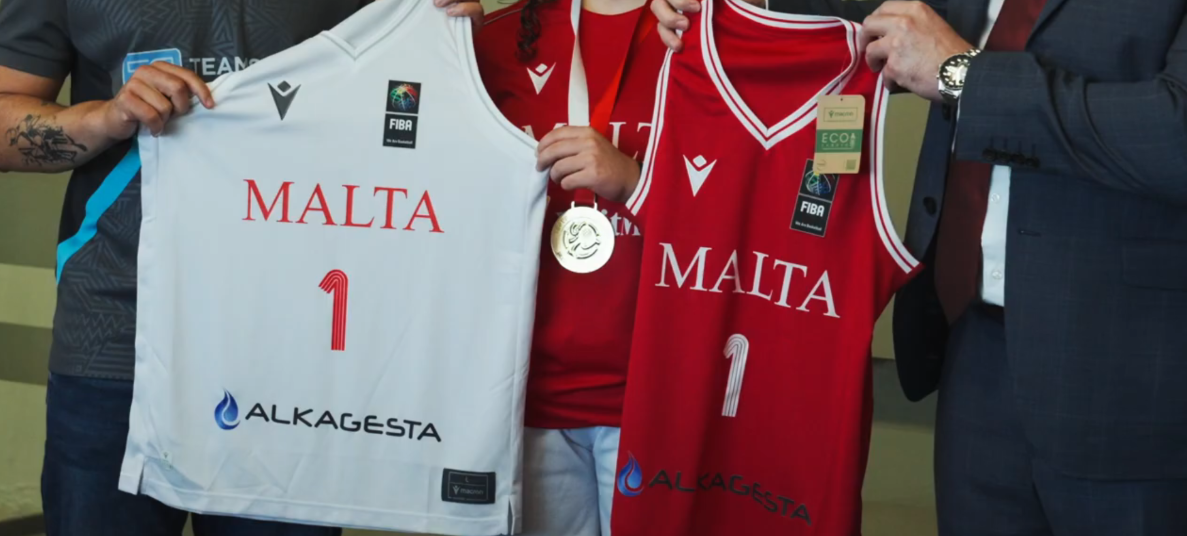
Alkagesta hosts Malta U16 women’s basketball champions at Malta office
The Maltese team won with a score of 76-51