



Malta’s tourism landscape in early 2025 is being shaped predominantly by visitors aged between 25 and 44, who now account for the largest share of inbound tourists at 36.3 per cent.
Close behind, according to the NSO data, travellers aged 45 to 64 make up nearly one-third of arrivals, representing 31.9 per cent of the total.
Total visitor expenditure has risen by 16.9 per cent in May to €363.6 million – an increase of €52.6 million compared to the same month in 2024.
The number of inbound tourists in May reached an estimated 374,297, marking a 6.3 per cent increase compared to the same month in 2024.
The total number of nights spent amounted to 2,203,942 – an increase of 8.6 per cent compared to 2024 – with an average expenditure per night estimated at €165, an increase of €11.80 when compared to the previous year.
The vast majority of these nights, 90.7 per cent, were spent in rented accommodation establishments. On average, tourists stayed for 5.9 nights.
Visitors to Gozo and Comino, including both overnight and same-day tourists, numbered 222,002, accounting for 59.3 per cent of total tourist arrivals.
Meanwhile, travellers from the United Kingdom, Italy and France, collectively represented 44.7 per cent of all inbound tourists.
January to May 2025 snapshot
Between January and May 2025, inbound tourist arrivals reached approximately 1,418,954, marking a 14.3 per cent growth compared to the same period in 2024. The total number of nights spent by visitors increased by 14.7 per cent, nearing 8.2 million nights.
Tourist expenditure during this quarter was estimated at €1,168.3 million, reflecting a significant 21.9 per cent rise from the previous year. On a per capita basis, spending also increased, climbing from €772 in 2024 to €823 in 2025.
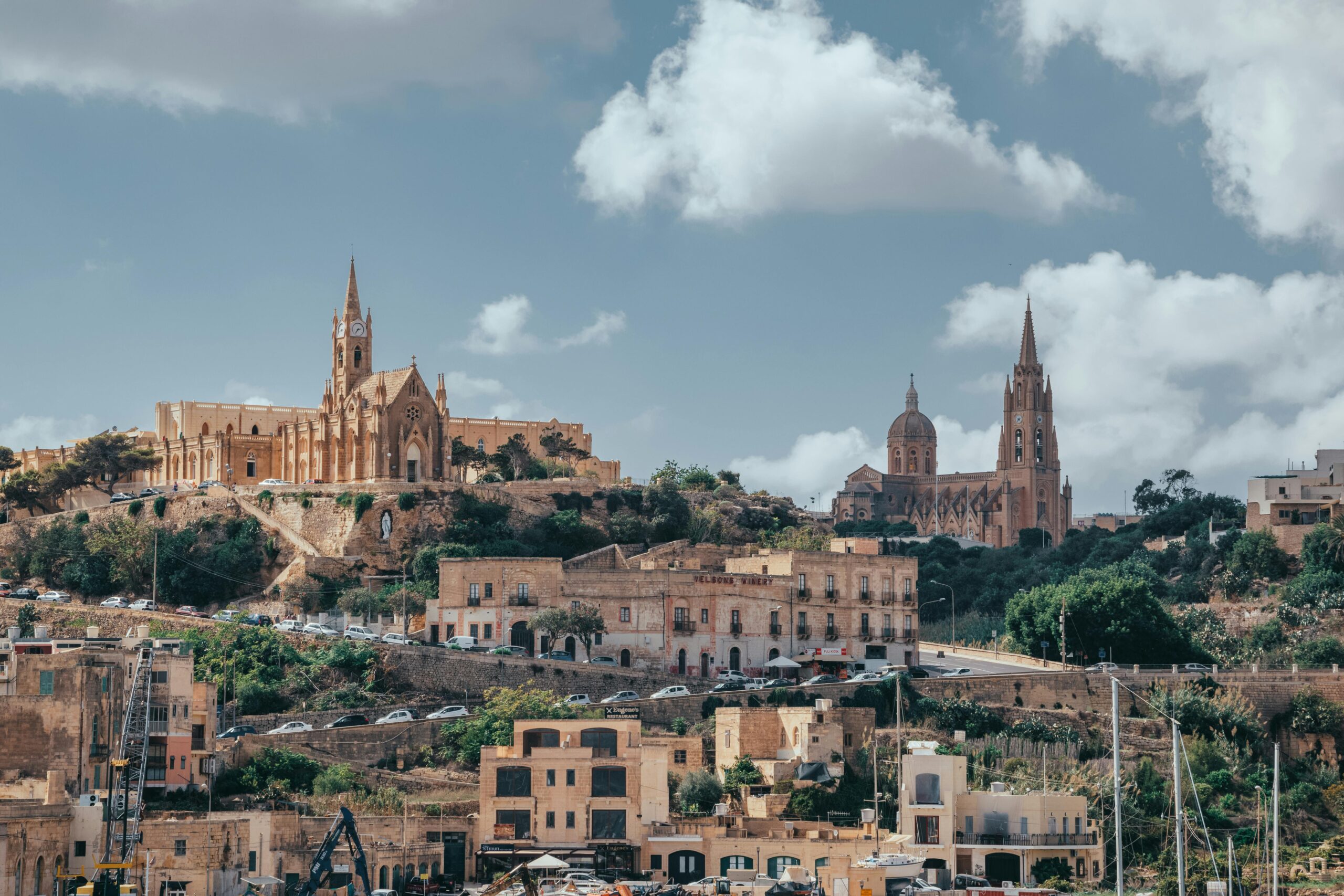
Gozo and Comino attracted a combined total of 748,755 tourists, including both same-day and overnight visitors, which accounted for 52.8 per cent of all inbound tourists during this period.
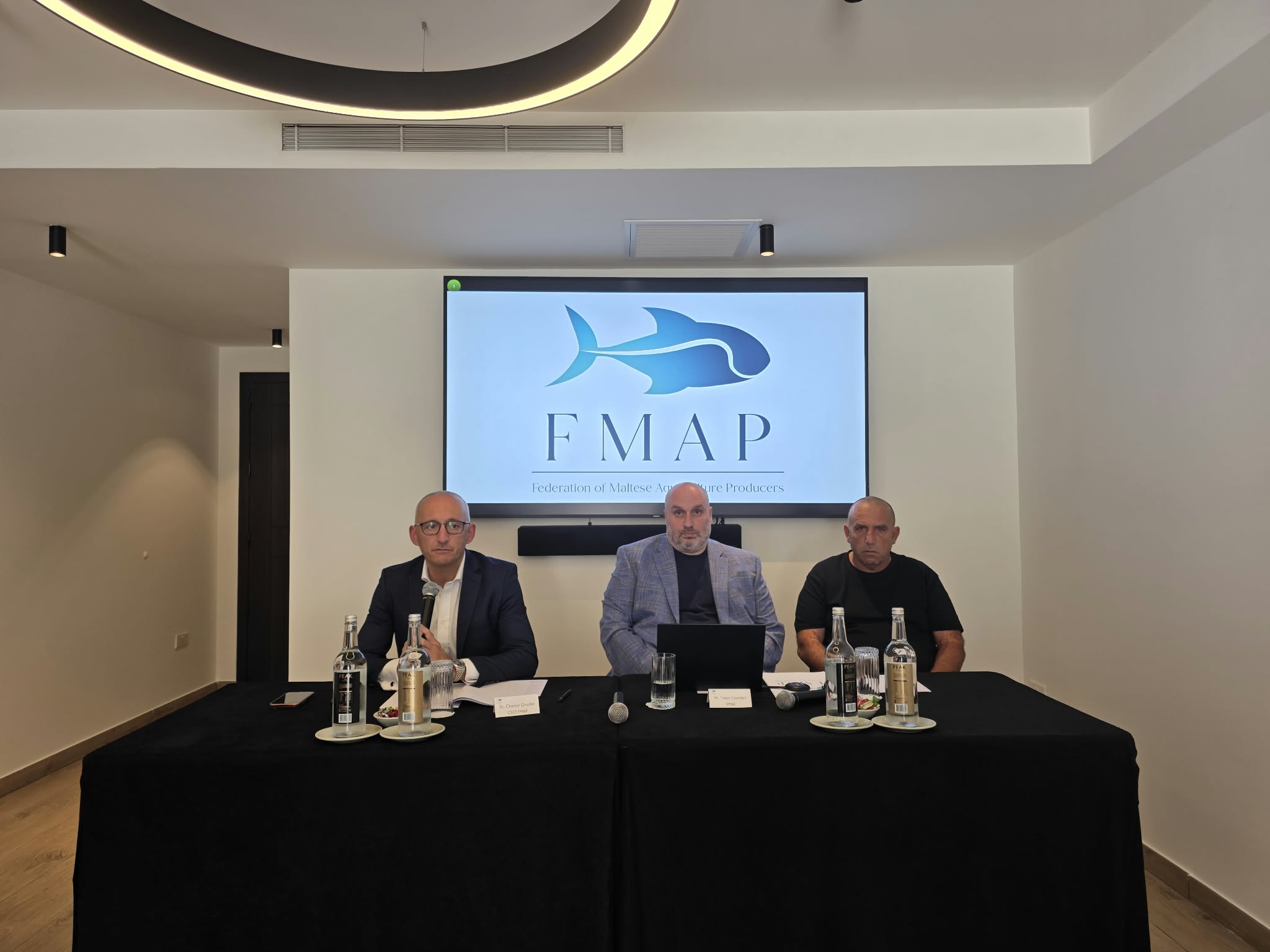
Aquaculture federation CEO hails cleanup campaign a success as 25,500 litres of oily liquid collected
Charlon Gouder said the industry had registered a notable improvement in coastal water conditions this summer
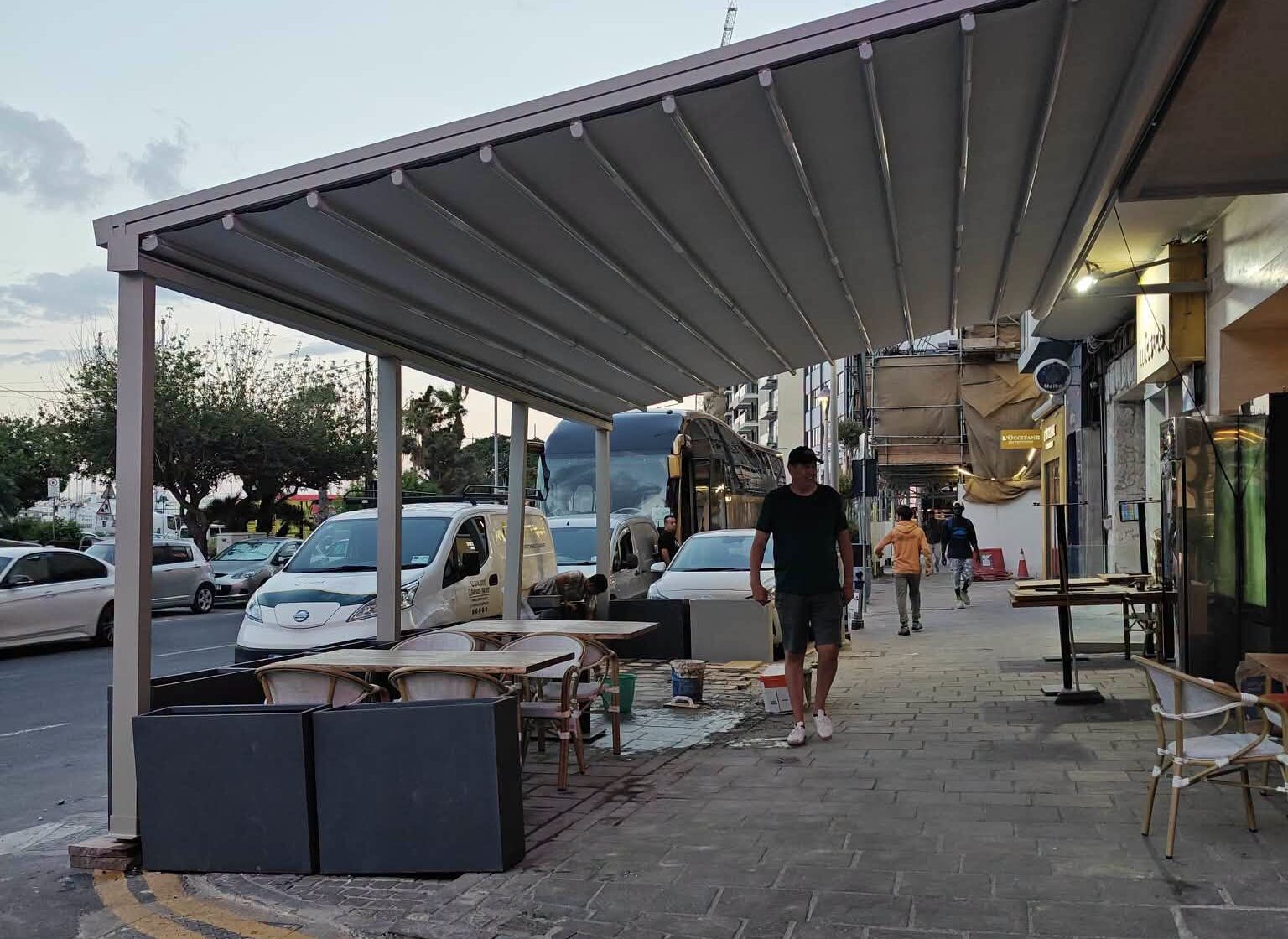
PA orders immediate removal of unauthorised structure outside Piccolo Padre in Sliema
The restaurant is owned by Carlo Stivala and is the first expansion since it was set up in Balluta
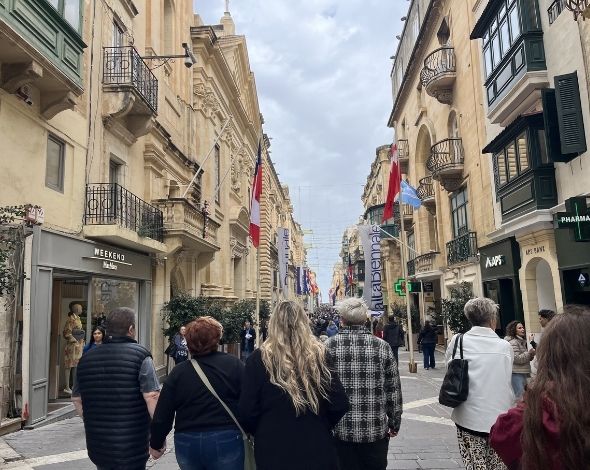
High rents are killing small retail businesses in Valletta, shop owner says
'When you have high rents with low margins, it’s no wonder so many retail shops are leaving Valletta,' she said