



Leisure time has emerged as the most important consideration for Malta’s business community today, a dramatic change of 34 per cent from figures in 2008, surveys from local consulting firm misco have revealed.
During the year, misco conducted a number of surveys focusing on various human resources (HR) and marketing issues, and compiled them under one e-book, titled “Navigating Change: Insights into Malta’s Business Landscape in 2023”.
One of the studies focused on the changing priorities of Malta’s business society, asking respondents how important they consider different aspects of life to be to them, comparing the results to findings from 2008.
A key finding is that 82 per cent of the community feels that leisure time is very important to them, a sharp rise from the 48 per cent in 2008.
On the other hand, those who considered work to be very important stood at 78 per cent, only marginally higher than the 71 per cent recorded 15 years ago.
These results do not come as much of a surprise, especially when considering the increased importance that has been afforded to establishing a healthier work-life balance in recent years, especially following the COVID-19 pandemic.
The pandemic rocked the business landscape, prompting various industries to shift their employees to remote or hybrid work arrangements. This was not only safer in terms of containing the spread of COVID-19, but also provided employees with increased flexibility, enabling them to have more leisure time, be with their families more, and also remove their daily commutes to and from the office.
However, this newfound flexibility has also created a number of issues to employers, particularly when it comes to employee retention and recruitment.
Business leaders have had to navigate their companies through a very tight labour market, with job candidates now demanding higher salaries as well as more employee benefits. Businesses which have failed to do so have resorted to employing workers from abroad or ended up falling behind in terms of competition.
misco’s survey results are also indicative of the shift in mentality between generations.
With a major portion of Gen Z now forming part of the working population, there have been shifts in attitudes towards work, particularly when compared to 2008, a time when members of that particular generation were still children, or not even born.
International studies from earlier this year found that Gen Z, as the first digitally native generation, are prioritising a sustainable work-life balance and are not ready to sacrifice their leisure time in exchange for climbing up the corporate ladder.
Additionally, Gen Z workers also come with a long list of demands for in-work benefits, including mental health support, flexibility, and institutional transparency, among many others.
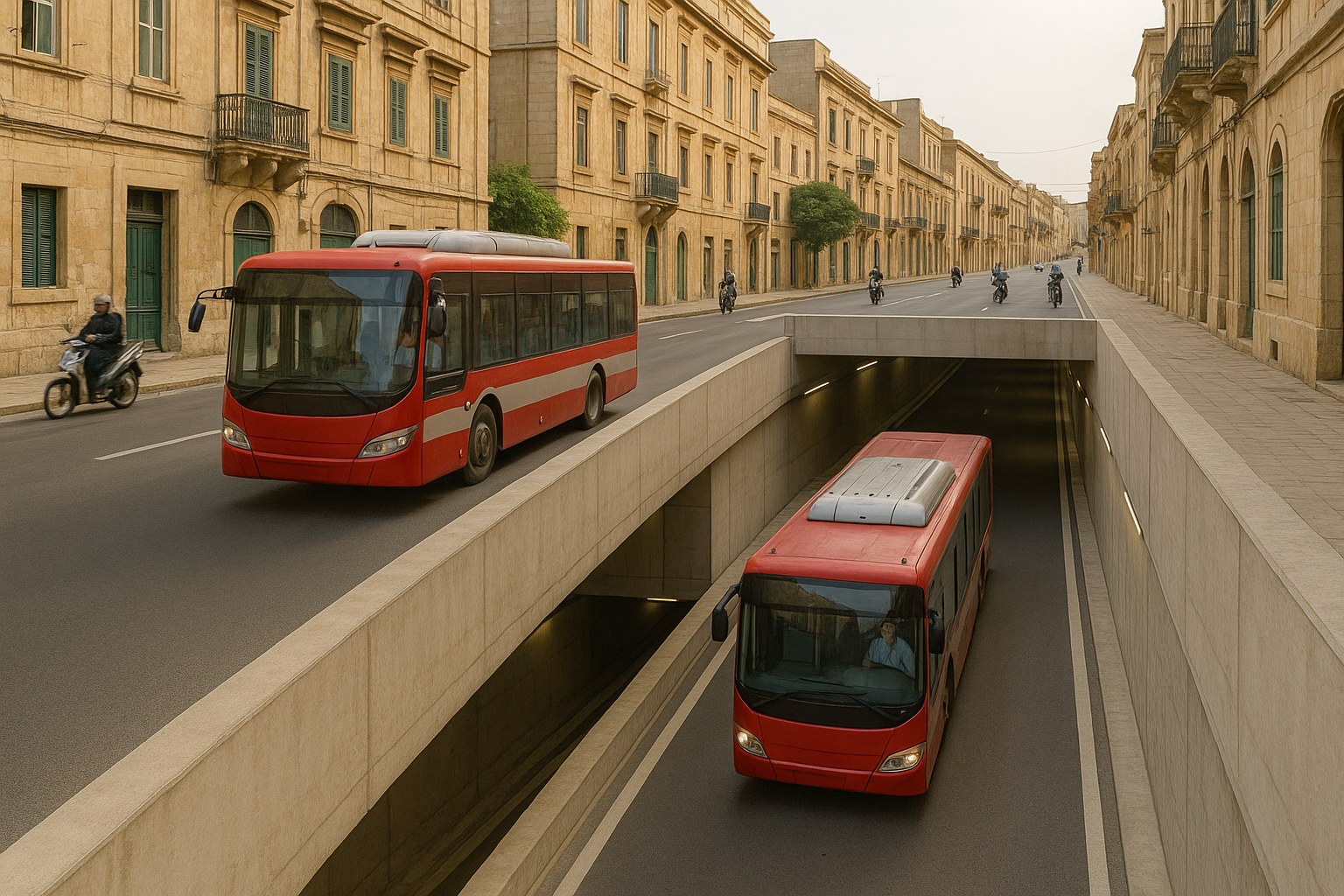
Perit proposes underground transport network to tackle traffic, flooding and lack of open spaces
He calls the project 'A Second Malta'
AX Group calls for destination hubs as part of tourism strategy shift in Budget recommendations
Development of a national employment and skills strategy, investment in infrastructure, tourism strategy shift are its top priorities
‘Our objective should not simply be to build more, but to build better’ – MDA President
The MDA welcomed the Prime Minister's 'commitment to supporting the construction and property development sector'