


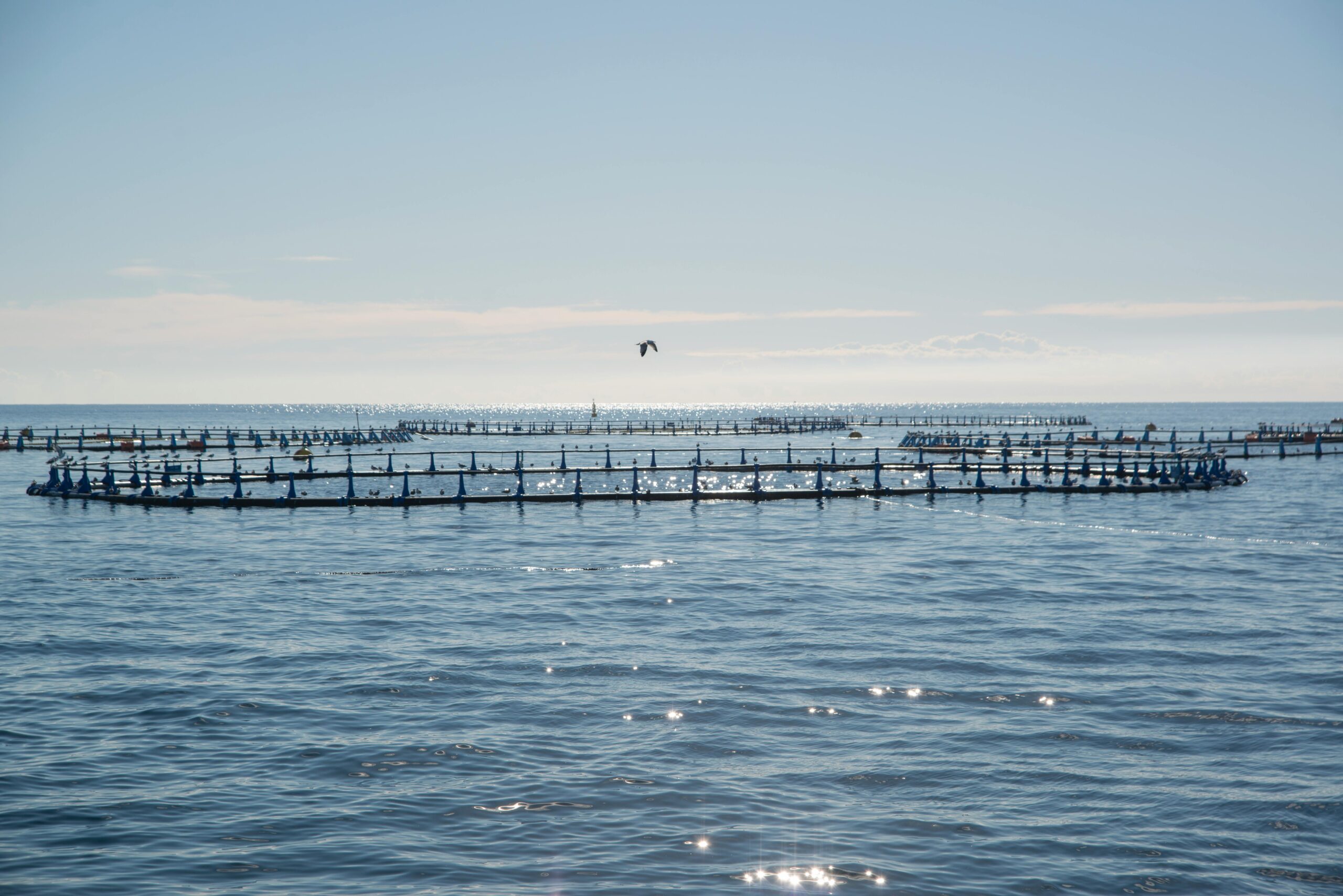
Malta’s aquaculture industry recorded a notable recovery in 2024, with gross value added (GVA) shifting from a negative balance of €67.4 million in 2023 to a positive €31.6 million in 2024, according to newly published NSO figures.
The sector’s turnaround was driven primarily by a substantial drop in intermediate consumption, which fell by 40 per cent to €160.2 million, after reaching a peak of €267.1 million in 2023. While total output did decline marginally – from €199.7 million in 2023 to €191.8 million in 2024 – the sharp reduction in operating costs outweighed the dip in production value.
Atlantic bluefin tuna farming, the industry’s dominant activity, remained the main contributor to output, generating €179 million, although this too marked a decrease from the previous year. Closed-cycle species such as seabream and seabass registered an increase in output value, rising to €13.7 million in 2024.
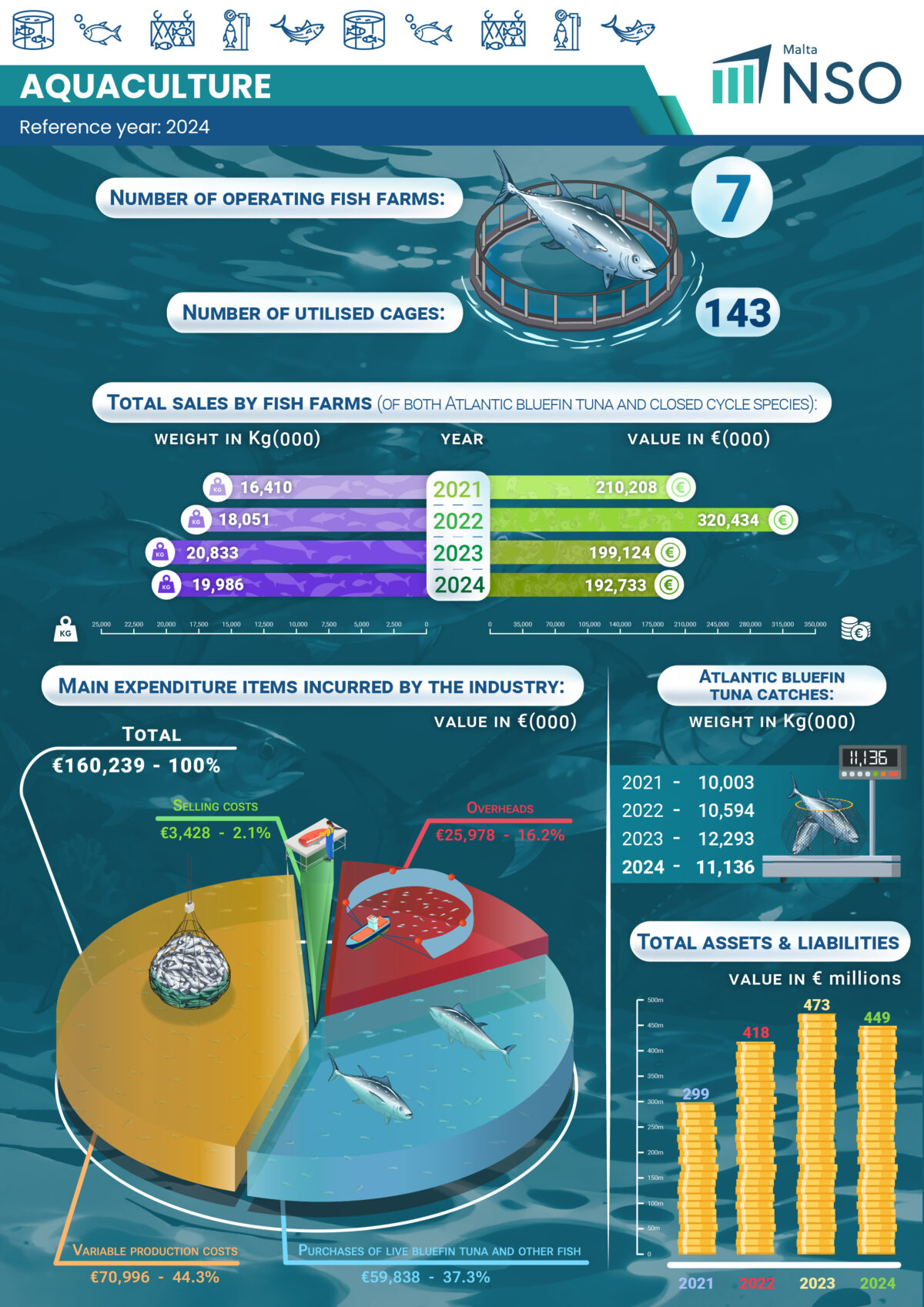
Net operating surplus also improved significantly, recovering from a loss of €84.6 million in 2023 to a positive €13.6 million in 2024. Employment-related costs continued their steady upward trend, with compensation of employees rising to €13.2 million.
Despite lower sales volumes and values for tuna, the sector benefitted from markedly reduced purchases of live fish, which declined by 61 per cent, helping stabilise operational performance after a challenging 2023.


Tourist spending hits €1.21 billion in Malta in second quarter of 2026
The average length of stay per tourist dropped from six nights in 2025 to 5.5 nights this year

Revolut won’t disclose number of data breach victims in Malta, but there is at least one
Hackers obtained files by compromising an Italian government email system
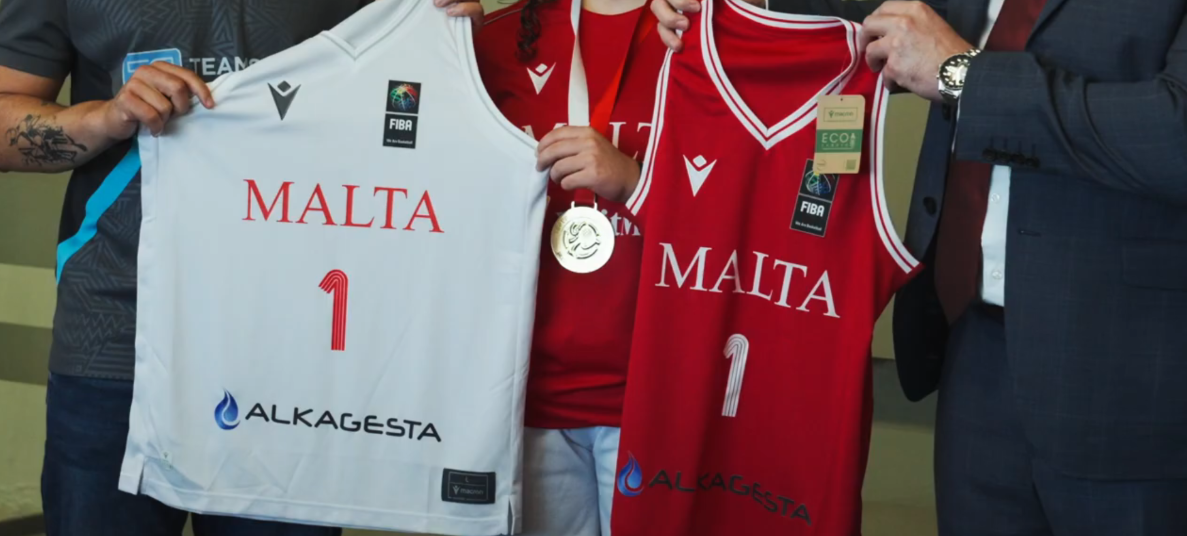
Alkagesta hosts Malta U16 women’s basketball champions at Malta office
The Maltese team won with a score of 76-51