


Malta’s freight transport costs are set to rise sharply, with new EU ETS, FuelEU and BAF surcharges expected to add around €35 million annually to the cost of moving goods between Malta and Europe.
The revised charges came into effect on 1st October 2026 on the Malta–Genoa service and will remain in place until the end of the year, with rates due to be reviewed quarterly thereafter.
The surcharge for a trailer travelling between Genoa and Malta has increased from €35 to €39 per linear metre, bringing the charge to €530.40 per trailer per journey. A return Genoa–Malta–Genoa trip will therefore carry €1,060.80 in additional surcharges alone.
Transport operators have already started notifying customers of the increases.
The Association of Trailer Transport Operators (ATTO) estimates that more than 55,000 trailers travel annually between Malta and Italian ports, mainly Genoa. Based on the revised rates, the association estimates that the additional cost to Malta’s economy could reach approximately €35 million each year.
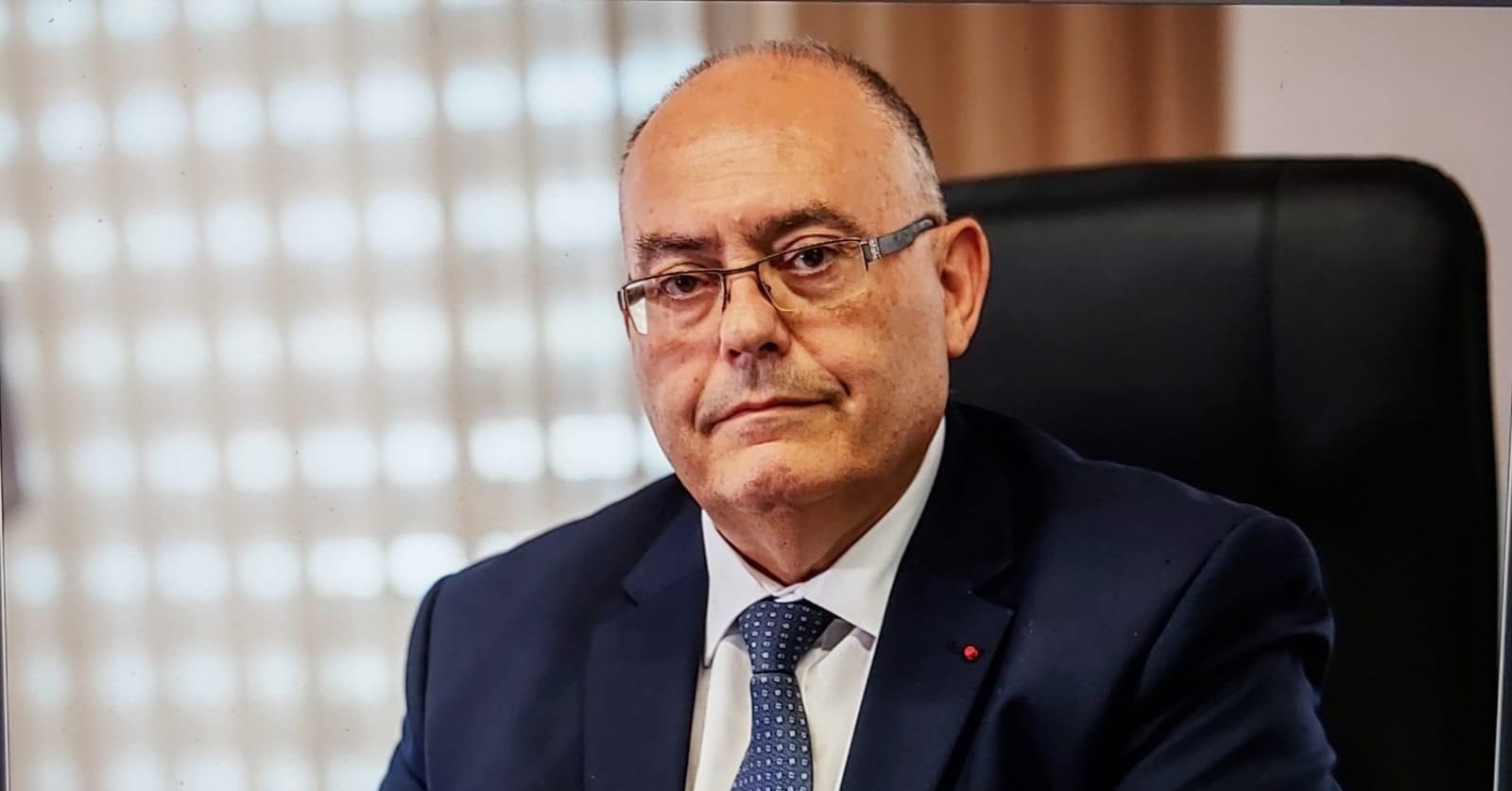
“This is a burden that European Union policy is placing on all Maltese citizens simply because we are an island,” said Joseph Bugeja, Chairman of ATTO, which represents Maltese trailer operators operating to and from Europe.
“It is an unfair burden that will have repercussions on businesses and ultimately, all Maltese consumers.”
Bugeja said Malta’s geographical position leaves businesses with little choice but to absorb the higher maritime transport costs.
“Virtually everything Malta imports to sustain its economy and economic activity must cross the sea,” he said. “Unlike most countries on mainland Europe, Maltese businesses have no alternative.”
He called for Malta to challenge the application of EU policies that, according to ATTO, do not adequately take into account the country’s dependence on maritime transport.
The association also warned that the additional costs will work their way through the wider supply chain, affecting businesses and eventually consumers.
“The annual €35 million is being presented as Malta’s environmental bill,” Bugeja said. “Safeguarding the environment is important, but environmental policy cannot come at the price of disproportionately penalising an island that has no alternative to maritime transport.”
“This is an additional cost being imposed on Malta’s entire supply chain and it will ultimately be paid by Maltese businesses, families and consumers.”
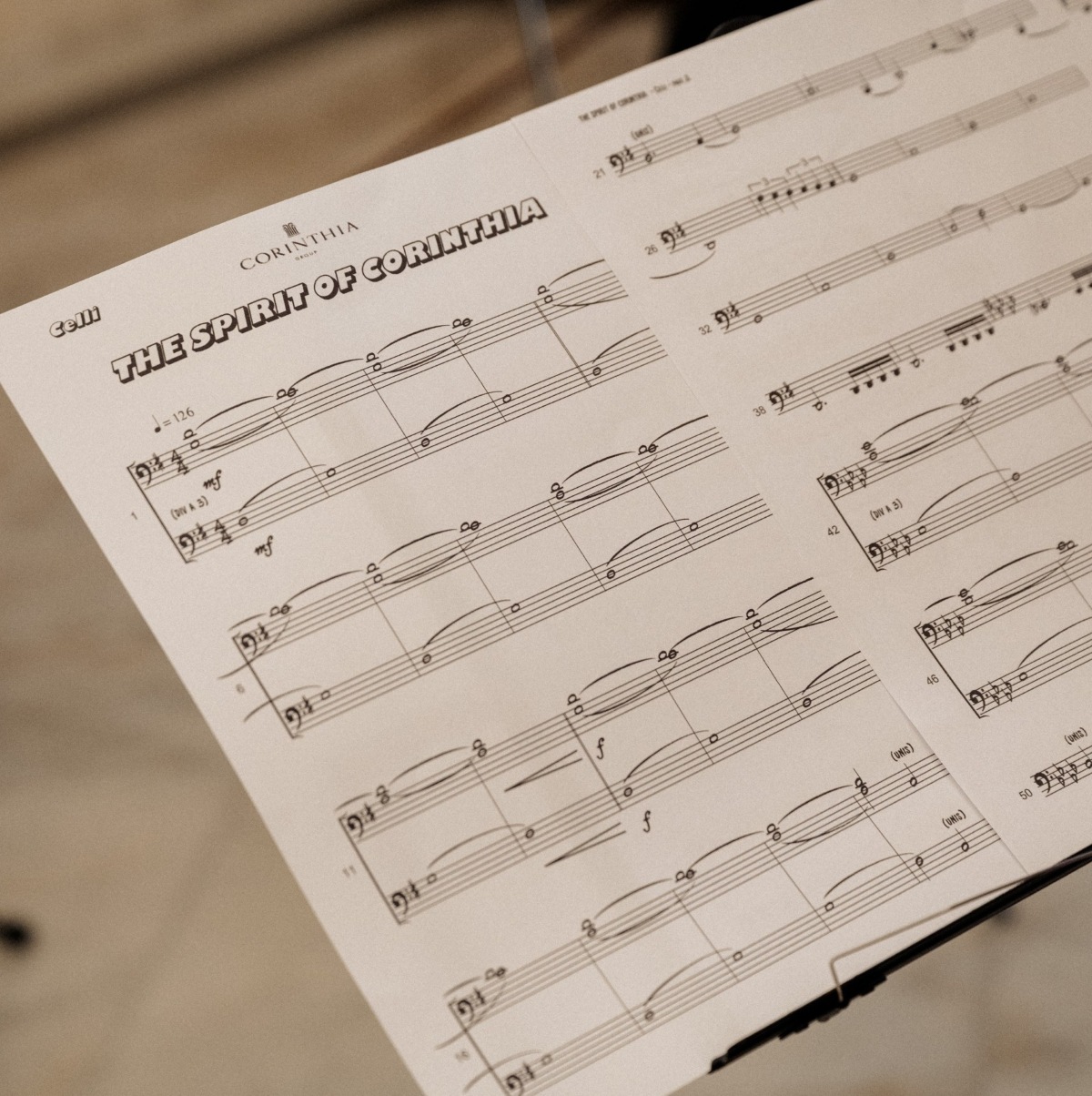
Corinthia Palace unveils Palace Concerts featuring Maltese and international musicians
The year-round programme of musical performances take place across the historic hotel in Malta
Identità aims to shorten waiting times and simplify procedures as part of its vision for coming years
Improvements must be achieved without compromising identity security or personal data protection, it said
Malta now has more €1,500,000+ homes for sale than ones under €250,000
A full quarter of the homes available for no more than €250,000 are in Gozo