


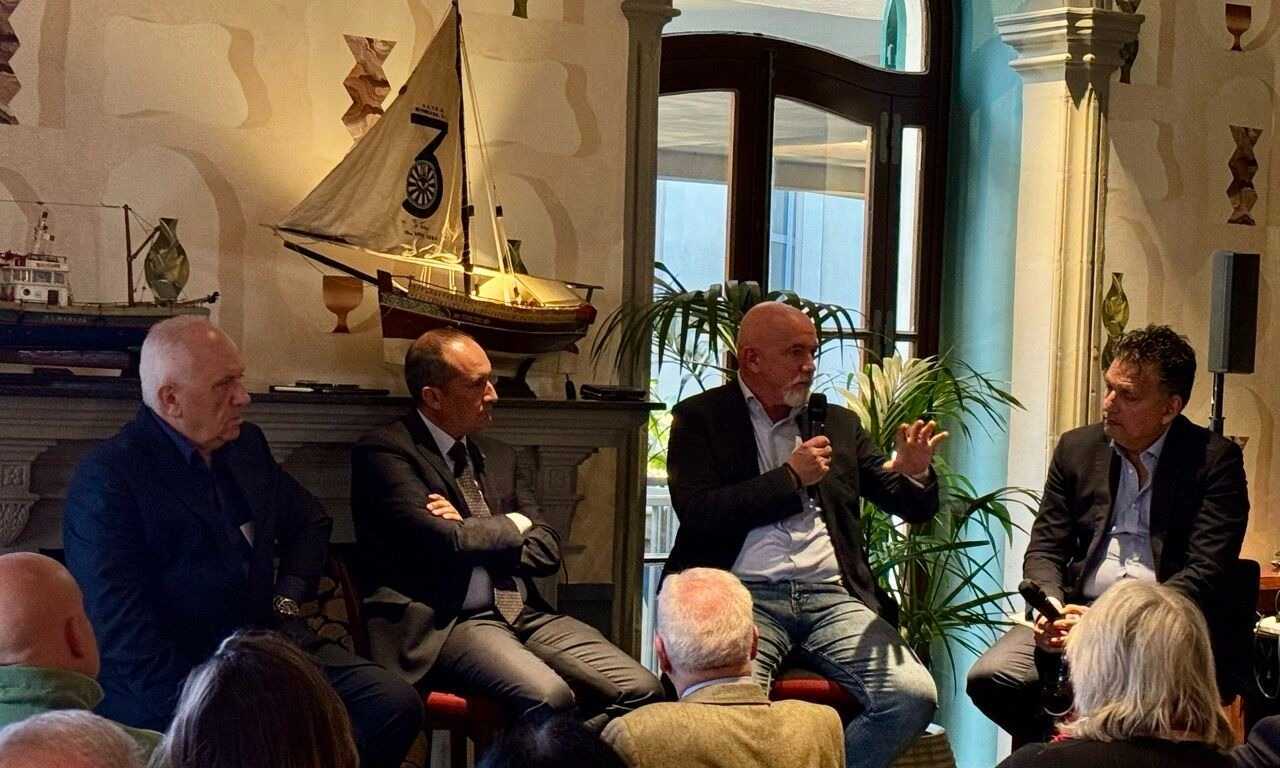
Aviation leaders warned that a combination of the European climate mandates and local policy inertia, is placing pressure on peripheral countries like Malta, threatening long-term tourism and connectivity.
Speaking at the first-ever joint panel hosted by the Malta Business Network (MBN) and the Irish Business Network (IBN), David O’Brien, CEO of Malta Air and Lauda Europe, said that Malta, along with other peripheral states such as Ireland and Cyprus, is being unfairly penalised by European climate policies that fail to account for the countries’ geographical realities.
Mr O’Brien said that countries without viable land transport alternatives are bearing the brunt of aviation-focused environmental mandates, with little consideration for their economic dependence on air travel.
“We are sleepwalking into a protectionist trap. Current European policies punish states on the periphery for their geography. Our options are limited. We can’t holiday by road. Aviation is our lifeline, and it's being priced out,” he said.
Mr O’Brien called on national governments, including Malta’s, to stop accepting “baubles and trinkets” from Brussels, and instead push back against policies that unfairly burden smaller, island-based nations.
He also criticised the Sustainable Aviation Fuel (SAF) mandate, saying airlines operating out of Malta are often being charged for SAF even when airports don’t supply it. According to the United Kingdom’s official government website, SAF “delivers GHG emission savings by encouraging the supply of SAF within the aviation industry”.
“We land in Munich where there is no SAF available, yet we are still charged. These costs are staggering. The reality is, margins in aviation are wafer-thin, and these new charges may push us over the edge,” he said.
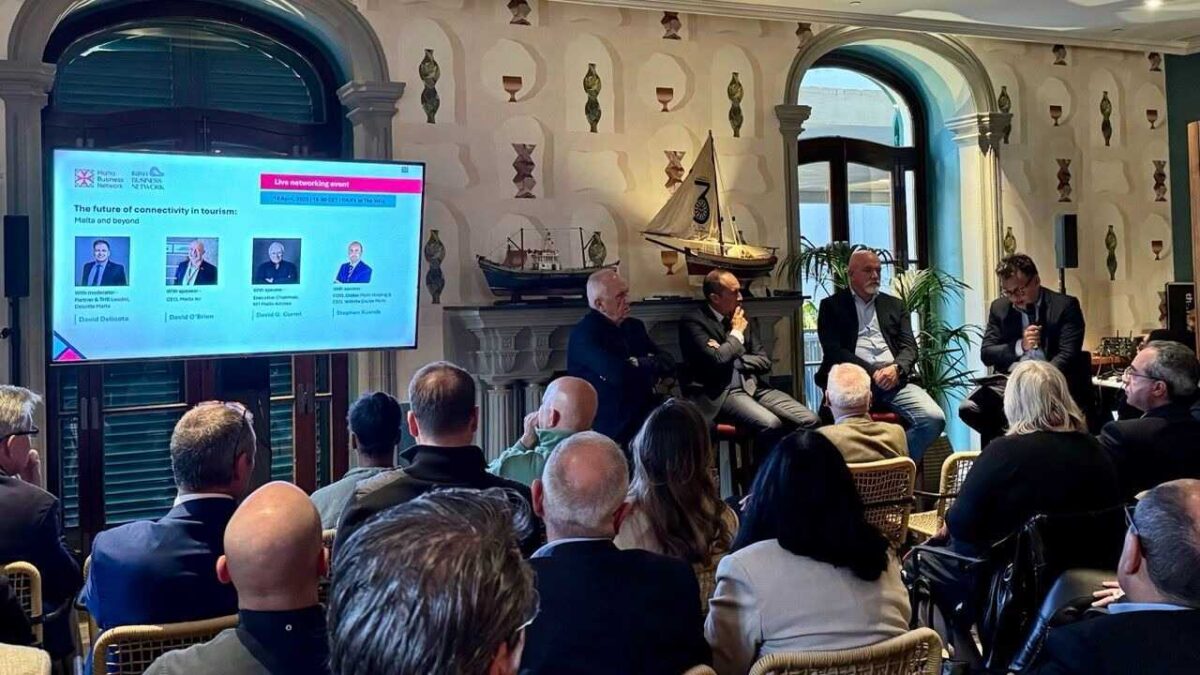
David Curmi, Executive Chairman of KM Malta Airlines, agreed that Malta faced significant challenges for the future of its connectivity.
“The main airlines operating to and from the country,” he said, “face serious pressure from rising operational costs, most of which are policy-driven”.
“Destinations like Tel Aviv and St Petersburg were cut for strategic reasons, but we’re increasingly having to make decisions based on cost pressure, not opportunity. It’s becoming harder to justify routes when the cost of doing business keeps escalating,” Mr Curmi said.
Beyond the EU, panellists also expressed frustration at the lack of strategic planning and foresight from Malta’s own government.
There was a shared observation that the country’s approach to long-term connectivity and sustainable growth tends to be reactive and politically cautious.
Stephen Xuereb, CEO of Valletta Cruise Port, pointed out the growing disconnect between regulatory ambition and practical implementation, especially in infrastructure.
“There’s a lot of talk about sustainability, but not enough investment to match it. We’re expected to meet green targets, but where’s the support to actually get there?” he asked, referencing the cruise industry's growing compliance demands and Malta’s limited infrastructure to support them.
The event was moderated by David Delicata, Partner and Transportation, Hospitality and Services Leader at Deloitte Malta.
“Peripheral economies must be part of the policy conversation, not just policy recipients. If we want a tourism sector that’s future-ready, Malta needs to lead not follow,” Mr Delicata said.
Financial knowledge alone is not enough to improve financial wellbeing, experts warn
Experts are discussing how financial education can be translated into better financial decisions
Tourism intensity climbs as Malta’s effective population tops 670,000 in August
During August 2025, St Julian’s tourism intensity reached 143 tourists per 100 residents

Millions in taxable income declared by 81 companies with no employees
Tax declared by US multinationals in Malta rose to €118 million in 2024, up from €24.7 million in 2020