


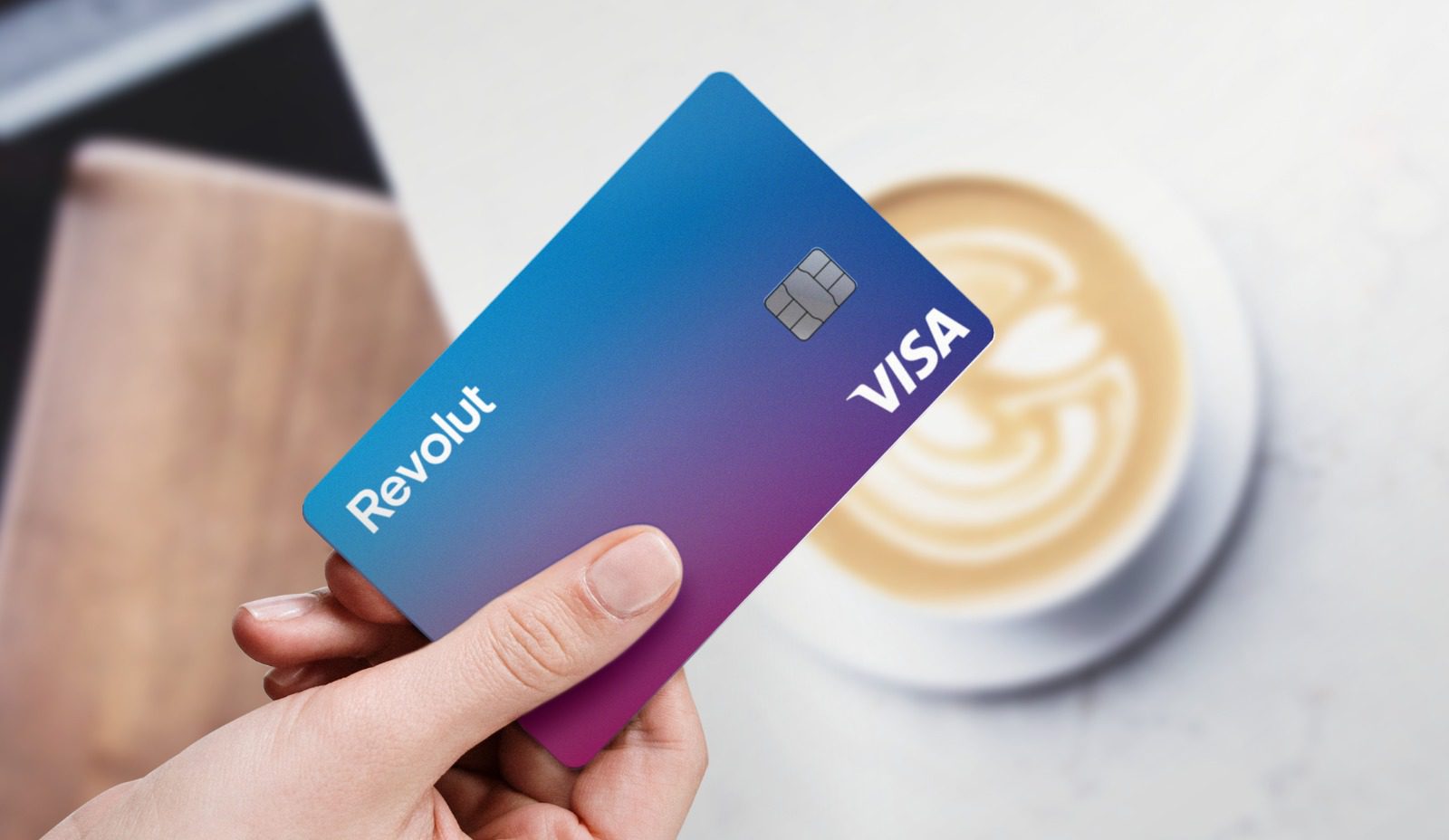
With the number of online scams ballooning since the onset of COVID and an accelerated global shift to e-payments, Revolut has reached out to customers with three useful tips to prevent them falling victim to fraud.
“We want you to keep all your money. So, we’ll never contact you asking you to move or transfer cash. Only scammers do that,” Revolut said in a statement.
With this in mind, it shared three useful tips:
- “If ‘Revolut’ calls you, hang up on us
- “If ‘Revolut’ texts you, please ghost us
- “The only way we should ever speak is via our secure in-app chat”
Cybercrime cases have been rising over the last years, with 870 cases reported locally in 2017 becoming 1,500 by 2020. The trend continued to grow over the past two years, with over 1,100 cases coming in during the first five months of 2021 alone, as fraudsters mimic banks, the Government, postal companies, suppliers and even CEOs in their efforts to part people from their money.
The former head of Malta’s cyber crime unit, Inspector Timothy Zammit, when asked to comment on useful tips on how to avoid scams , he shared straightforward advice that might seem obvious, but when actioned can save businesses and individuals a big headache.
He advises the public to take a step back and count to three, as most scammers exploit a sense of urgency when attempting to trick unsuspecting individuals into clicking a fraudulent link or sending a payment.

Malta’s business community reacts to Budget 2027
Mixed reactions to a budget with a raft of new taxes and fees targeting tourists and foreigners

Tax on reinvested earnings slashed to 25% for companies with under €1 million turnover
A reduction in the corporate tax rate has been a long-standing demand from the local business community

Bidnija ODZ land eyed for wellness centre as application gets approval recommendation
The proposal would see the disused livestock farm on the site demolished