


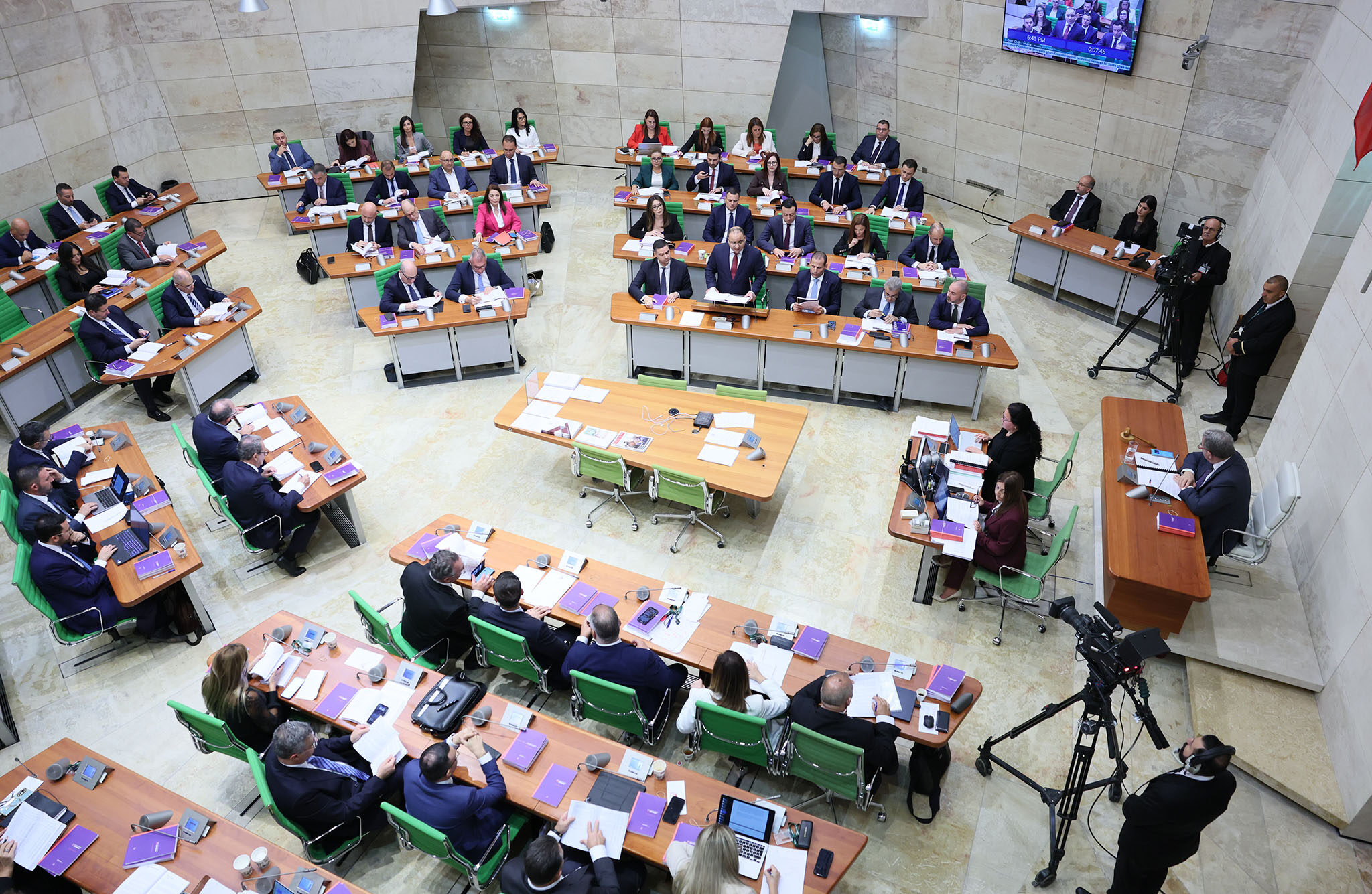
Malta’s leading business organisations have welcomed the 2026 Budget as a step toward safeguarding competitiveness and accelerating investment, while emphasising the need for continued action on long-standing economic challenges.
SME Chamber: Measures align with business needs, but key concerns remain
The Malta Chamber of SMEs stated that the Budget will “assist SMEs to grow and remain competitive” through initiatives such as improvements to the Micro Invest Scheme, digitalisation support, and new incentives for research and development.
The Chamber acknowledged that a number of its proposals were reflected in the Government’s plans, noting that these recommendations had been informed by insights from its SME Barometer and focus group discussions with members. It also recognised the engagement of the Ministry for Finance during pre-Budget consultations.
At the same time, the SME Chamber stressed the importance of maintaining momentum on critical issues facing Maltese businesses, urging authorities to continue addressing “employee shortages, unfair competition, good governance, and traffic congestion.”
MHRA: A budget that enhances confidence while supporting Malta’s long-term vision
The Malta Hotels and Restaurants Association described the Budget as “balanced, responsible, and forward-looking”, stating that it supports both citizens and employers through energy price stability, higher pensions, and fiscal certainty for investment.
MHRA President Tony Zahra said “This is a Budget that recognises the strong economy” and argued that the Government has “laid the groundwork for Malta’s Vision 2050 – one centred on stability, sustainability, and shared prosperity.”
The Association highlighted demographic concerns and labour shortages that continue to affect hospitality, and welcomed measures linked to education, training, and legal migration. It also supported investment in tourism diversification and environmental management, which it views as essential for long-term sector sustainability.
Mr Zahra added that “Financial sustainability is the best investment in the economy… This Budget strengthens confidence, protects livelihoods, and positions Malta to realise Vision 2050 – for both the people and the employers who drive our nation forward.”
Malta Employers Association: Social priorities balanced with productivity
The Malta Employers Association similarly characterised the Budget as one that “judiciously balances the country’s social imperatives with measures designed to enhance productivity”, aligning with Malta’s Economic Vision for 2050 and the recommendations of the Draghi report.
The Association welcomed fiscal consolidation and stronger public finance management, which it believes promotes a level playing field and increases the State’s ability to support economic transformation.
Several measures were highlighted, including accelerated tax write-offs for investment in AI, cybersecurity, and training, as well as the expansion of Microinvest. Malta Employers also praised the introduction of a profits reinvestment tax credit, calling it consistent with its own proposals for “forward-looking capital investment that strengthens national productivity and future-readiness”.
While supportive of support for parents and incremental labour force participation reforms, the Association noted that demographic pressures require more comprehensive solutions to avoid losing vital workforce capacity. It also called for greater emphasis on shifting economic growth away from excessive construction.
Malta Developers Association: Largely welcomes budget but disappointed due to ‘lack of capital investment’
The Malta Developers Association (MDA) largely welcomed this budget but is “concerned about the lack of capital investment, especially from a social aspect.’
They say that the Government can present a budget that reduces income tax for families, increases pensions, and introduces no new taxes because the economy continues to grow, because the property sector helps sustain this growth.
The MDA however is disappointed that the capital expenditure continued to decrease and this may “lead to various problems in the future.”
Featured Image:
Budget 2026 / DOI – Alan Saliba

VAT lottery prize fund more than doubles to €120,000 a month
The board includes representatives from the Finance Ministry, the notarial profession and VAT legislation
Rolex Middle Sea Race reinforces Malta’s international sailing profile
Tourism Minister Jo Etienne Abela highlighted that this year’s race brought together more than 100 vessels representing 43 countries
Tax cuts, AI incentives and infrastructure investment: What businesses want from Budget 2027
From corporate tax reductions and digitalisation grants to infrastructure investment and workforce development