



The EU’s “Equal Pay Day” fell on 17th November this year — the symbolic date when women, on average, start “working for free” compared to men. The calculation is based on a simple figure: women in the EU earn around 12 per cent less per hour than men, or roughly €0.88 for every €1 a man earns.
This figure is often misunderstood. It does not mean that two employees doing the same job are paid different salaries based on gender; that would be illegal. The gender pay gap measures something wider and more structural: how the organisation of work, care, and career progression affects women’s earnings across their entire working lives.
A large share of the gap comes down to something that doesn’t appear on a payslip at all: unpaid labour. Women in the EU spend more hours per week caring for children, elderly relatives, or managing domestic responsibilities. UN Women notes that this unequal distribution of care work limits women’s access to full-time roles, better-paid sectors, and leadership positions. In practice, it shapes the jobs women can take, the hours they can work, and the promotions they can pursue.
The position in the work hierarchy also plays a part in the level of pay, as less than ten per cent of leadership positions in the EU are held by women.
According to Eurostat figures, around 24 per cent of the current gender pay gap is due to the over-representation of women in relatively low-paid sectors, such as care, health and education.
This links back to a deeper structural issue: the standard 40-hour week was designed in the early 20th century for a household with a male breadwinner and a woman working full-time at home. The system assumes someone else is handling care work – and in most cases, that “someone else” is still a woman.
Women also remain concentrated in lower-paid but essential sectors such as care, health and education, which accounts for around a quarter of the gender pay gap. Meanwhile, fewer than one in ten CEOs in the EU are women according to Eurostat, which drags down average earnings even further.
The gender pay gap has narrowed by four percentage points over the last decade, and recent EU policies – especially the Pay Transparency Directive coming into force by June 2026 – aim to accelerate progress. Under these rules, companies will be required to publish salary data and take action if their gender pay gap exceeds five per cent.
So the gap is not about a man earning €1 and a woman being handed €0.88 for the same job. It reflects unequal systems, not unequal payslips – and closing it will require updating the very structure of work.

Ferrari unveils ‘Luce’: Its first fully electric supercar set for 2028
Pricing is anticipated to sit well above €500,000
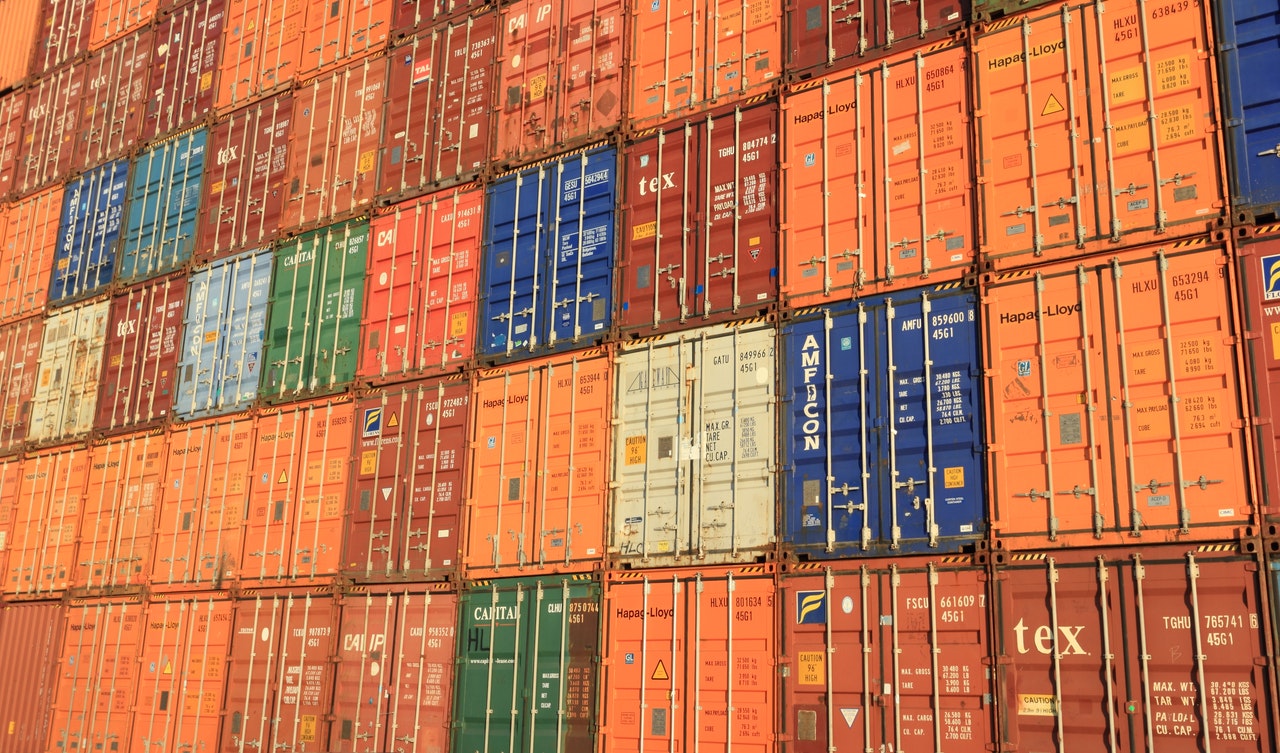
Malta’s trade deficit narrows as import shifts and export rebalancing continue in 2026
Over the full year, Malta’s trade deficit narrowed by €444.1 million compared with 2024

Thinking of housing as part of an urban system: what Malta can learn from Singapore’s public housing
Five lessons we can take from the nation twice the size of Malta