


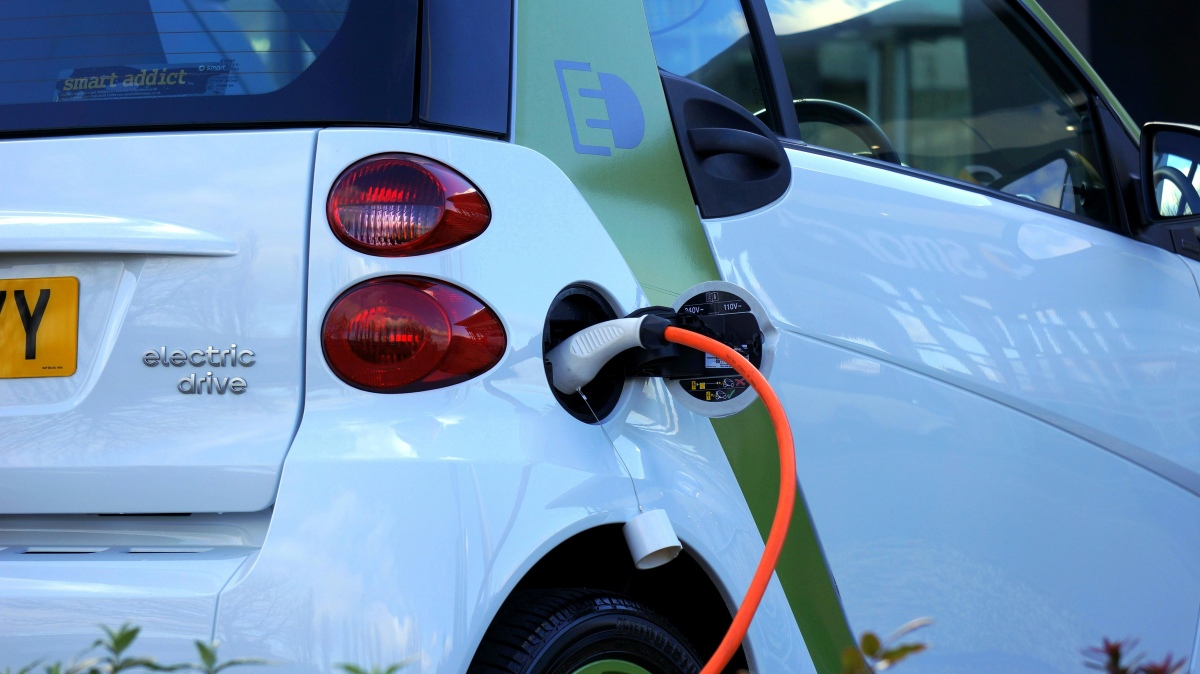
The two of the largest car dealerships in Malta, Kind’s and Gasan Zammit, are in direct competition, each using Government electric vehicle (EV) and scrappage grants to drive prices down and capture a growing market of budget-conscious buyers.
Despite a €3,000 reduction in government support, lowering grants from €11,000 to €8,000, consumer appetite for electric and hybrid vehicles remains resilient, with Kind’s and Gasan Zammit telling Businessnow.mt that demand has held up surprisingly well.
“Actually, the requests increased,” a spokesperson for Kind’s says.
Similarly, a spokesperson for Gasan says that the €8,000 grant, although lower than the original scheme, “remains a very strong incentive to purchase an electric vehicle,” as the demand continues to be strong.
Hybrid models
Asked whether the end of the hybrid grant has influenced buyer behaviour, both dealerships acknowledge a shift, but note continued interest in hybrid models.
At Kind’s, the withdrawal of the hybrid grant has not stopped customers from exploring the benefits of hybrid technology.
“We can say that the availability of grants has encouraged people to learn more about the functionality of hybrid vehicles. Many have already recognised that hybrid models help reduce fuel consumption, especially in traffic conditions,” the spokesperson explains.
“Additionally, hybrid cars are E-TECH models, which means they come with more features and options. However, those who have never been interested in hybrid technology or are on a tight budget tend to prefer traditional petrol engines.”
Gasan also observes that grants continue to play a significant role in shaping buyer choices.
“The customer decision-making process is influenced by a range of factors, with Government grants being an important consideration,” the spokesperson says.
“The removal of grants for hybrid vehicles has understandably impacted some customers’ final purchasing decisions. Nonetheless, hybrid technology continues to perform well and remains a strong seller within our product range,” the company continues.
Who’s buying EVs?
Both dealerships report that electric vehicle buyers tend to be younger, tech-savvy and environmentally conscious, though the profile is constantly evolving.
According to Gasan, EV customers are typically younger individuals who are comfortable with technology and driven by sustainability concerns.
Kind’s provides a more detailed breakdown, noting that early adopters were often aged between 35 and 55.
“Lately, the age range has widened,” the company says, identifying two key segments: younger professionals aged 25 to 40, drawn to sustainability and innovation, and more established buyers aged 40 to 60, motivated by long-term savings and comfort.
In terms of occupation, EV buyers often come from sectors such as tech, finance, education and healthcare. Entrepreneurs, business owners and increasingly, fleet managers are showing strong interest, particularly in urban areas where charging infrastructure is more accessible, according to Kind's.
Lifestyle also plays a key role. Urban residents with reliable access to home or workplace charging tend to dominate the market. Families are also entering the EV space, attracted by the ease of parking, safety features and lower running costs.
Why electric? Motivations and concerns
According to both dealerships, the decision to go electric is often driven by a combination of cost savings, environmental awareness and the appeal of new technology. Customers are increasingly drawn to the lower running costs of EVs, especially when paired with Government incentives that help offset the purchase price.
“Most of our customers are choosing electric vehicles not only for their modern appeal and cutting-edge technology, but also for the environmental benefits, long-term cost savings, and a smoother, quieter driving experience,” Kind’s points out.
“From reducing carbon footprints to enjoying instant torque, regenerative braking, and advanced infotainment systems, EVs offer a smarter, cleaner, and more stylish way to drive into the future,” the spokesperson continues.
However, despite rising interest, hesitation remains. Both Kind’s and Gasan point to limited charging infrastructure as a key barrier.
Gasan also points to an unfamiliarity with the technology as a primary hesitation, while Kind’s points to higher upfront costs.
Customers also express concerns about battery lifespan and replacement costs, and a general lack of familiarity with electric vehicle technology.
For some, there’s still a strong comfort factor in sticking with traditional petrol or diesel engines.


Tech, logistics and industry shape Malta’s employment landscape
The employee benefits expense was highest in technological solutions, professional and business support in both local and foreign companies

169 holiday properties investigated over suspected illegal operations
The MTA has conducted 4,215 inspections throughout 2026 to ensure tourism operators are complying with applicable laws
Six months into random roadside drug testing, insurers call for enforcement figures
'Every life saved on our roads is a major success'