


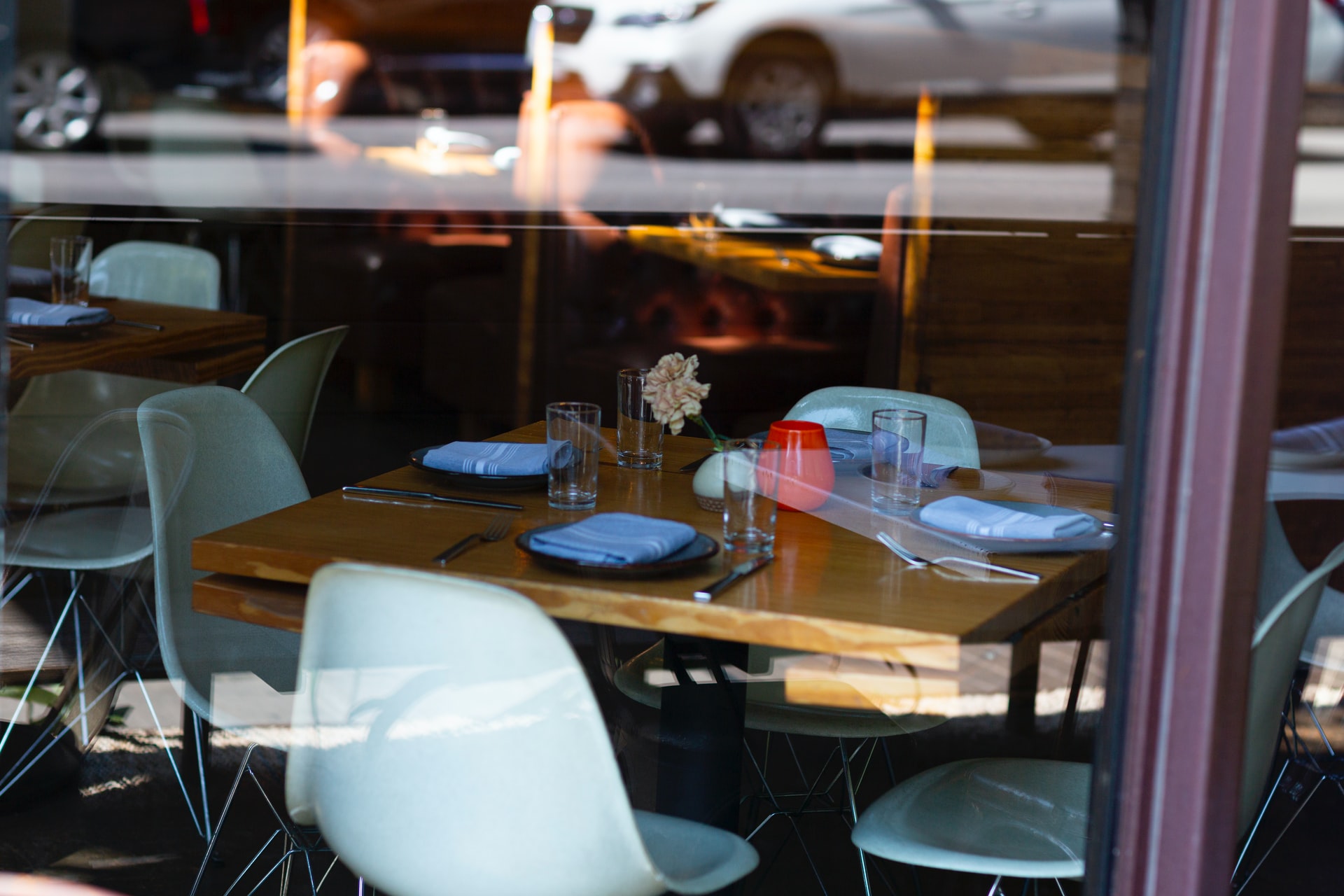
Just four days away from reopening, Malta’s health authorities have finally shared details of COVID-19 protocols which ultimately dictate restaurants and eateries' potential to turn a profit after being closed to inhouse dining since beginning March.
Restaurants, kiosks and snack bars, permitted to serve customers in-house until 5pm, will be permitted to serve take aways and deliveries until midnight, and must then close from midnight to 5am.
After 5pm, eateries inside hotels will only be permitted to serve take-aways and room service.
Buffets are not being permitted, neither is bar service or self-service dispensers. Restaurants must retain a two-metre distance between tables, with no distinction being made for outdoor or indoor seating by Superintendent of Public Health Charmaine Gauci.
A maximum of four per table will be allowed, with the exception of single households.
Menus must be single-use or disposable, or displayed under glass to avoid the risk of transmission.
Alcohol will only be permitted with food.
On 24th May, restaurants' curfew will be lifted to midnight, and on 7th June, the four person-per-table rule will be lifted to six.
On Thursday, Deputy Prime Minister and Health Minister Chris Fearne, and Superintendent of Public Health, Charmaine Gauci, detailed reopening timelines taking Malta until 7th June. Relaxation measures are contingent on Malta's daily COVID transmission rates remaining low and hospital numbers remaining manageable.
Prime Minister Robert Abela is currently in quarantine after his wife, Lydia Abela, tested positive for COVID-19.
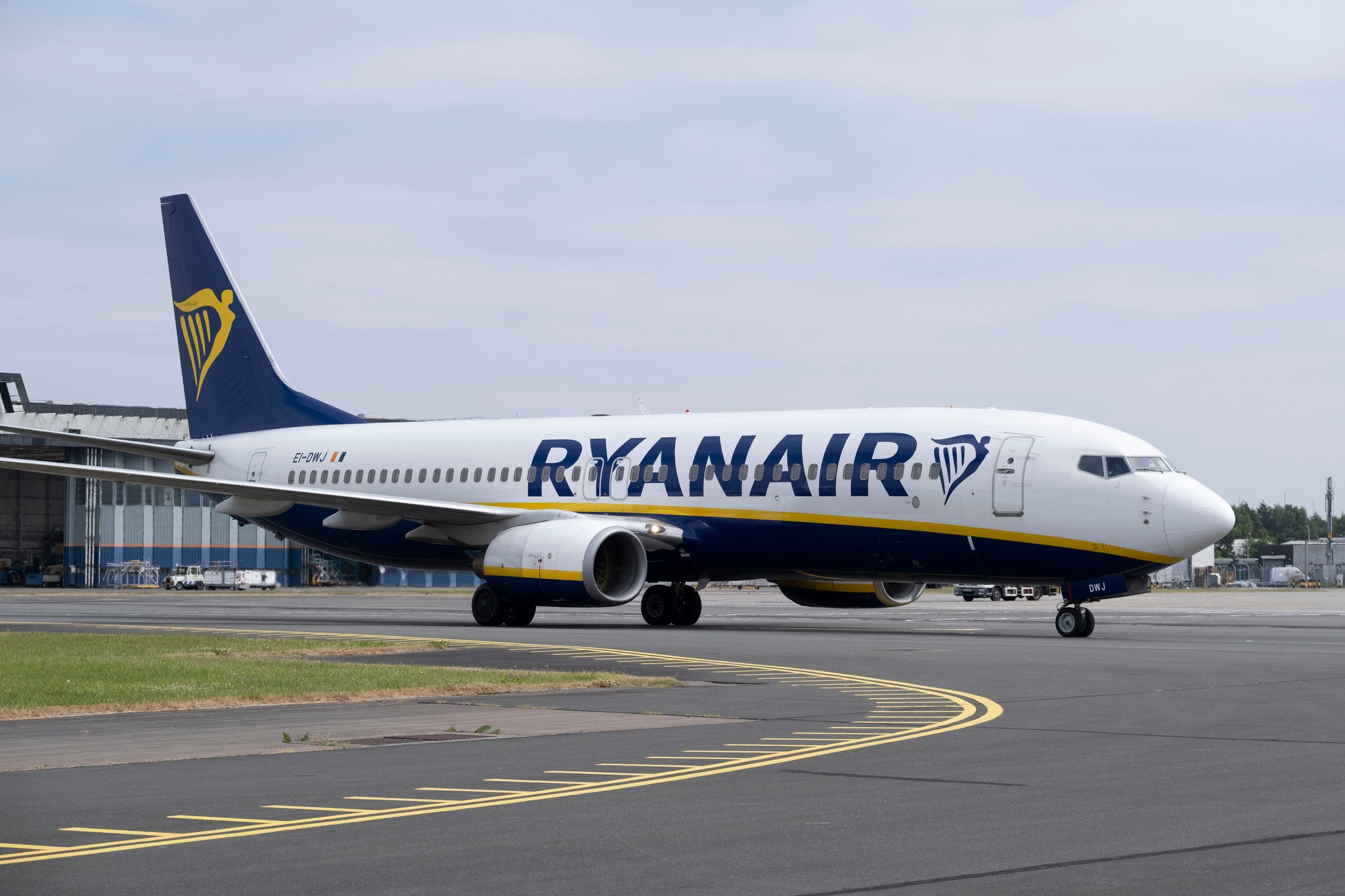
Ryanair adds almost 70,000 extra seats to/from Malta for Christmas 2026
Tidings of comfort and travel

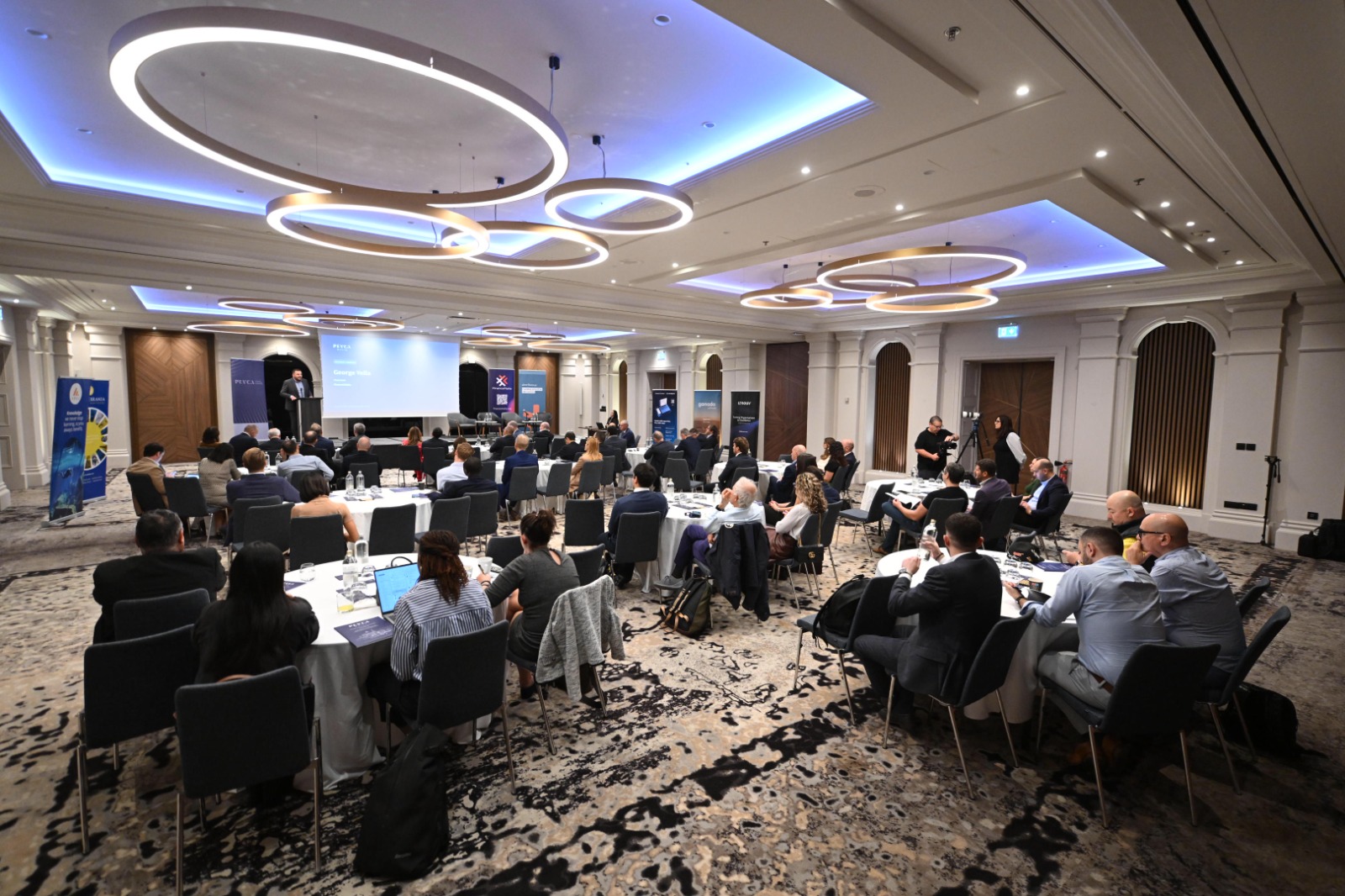
AI adoption among Maltese businesses rises to 21.5%, surpassing EU average
The European Union has an average of 20%
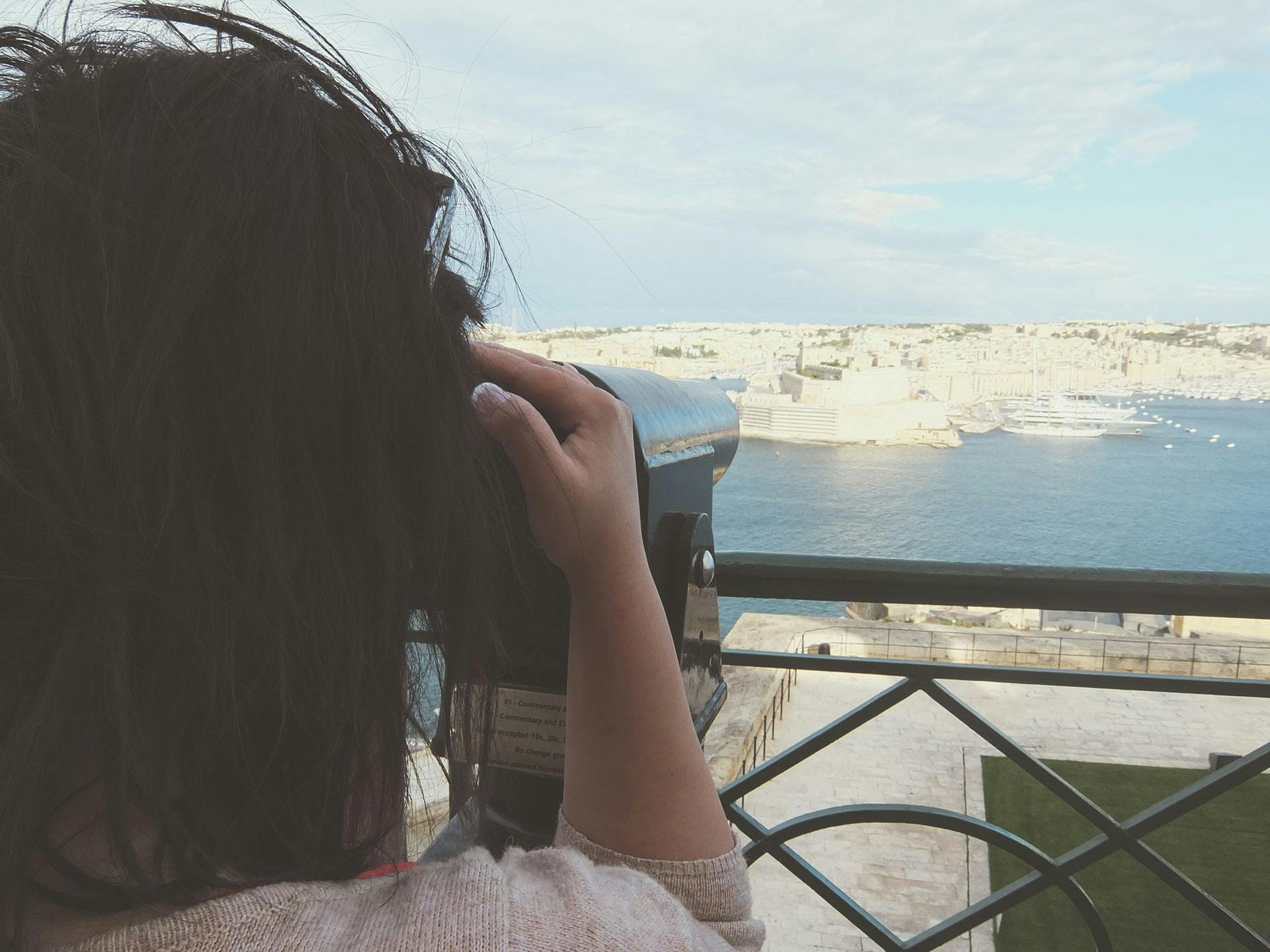
Malta Chamber calls for seasonal approach to revised tourism eco-contribution
It warns that a fixed contribution would have a greater impact during winter