



Malta’s labour market continued to grow steadily in the third quarter of 2025, with fresh data from the National Statistics Office (NSO) showing higher employment levels, low unemployment, and a persistently strong labour supply.
According to the Labour Force Survey, employment accounted for 66.8 per cent of the population aged 15 and over, while an additional 9,434 individuals were unemployed, equivalent to an unemployment rate of 2.7 per cent. The remaining 158,304 people were classified as inactive.
The employment rate for people aged between 15 and 64 reached 81.6 per cent, with male employment at 87 per cent and female employment at 75.1 per cent. The highest concentration of employed individuals remained within the 25–34 and 35–44 cohorts, which together accounted for more than half of all workers.
Self-employment represented 13.6 per cent of those with a main job, while full-time work remained the dominant form of employment, with more than 300,000 people working full-time. Part-time employment accounted for 36,990 individuals. Full-timers averaged 41.1 usual hours per week, while part-timers averaged 22.6 hours.
In practice, the average number of actual hours worked across all workers stood at 33.3 hours, marginally lower than the same period in 2024.
The average monthly basic salary during the third quarter of 2025 was estimated at €2,132. Employees in the financial and insurance sector recorded the highest average salaries, while those in elementary occupations earned the lowest average basic pay at €1,336. Managers had the highest occupational-based pay, averaging €3,467 per month.
Sectoral distribution showed strong employment in wholesale and retail trade, transportation and storage, and accommodation and food services, which together made up 25.8 per cent of all employed persons. Public administration, education, health and social work accounted for a further 25.5 per cent.
Unemployment in Q3 stood at 2.7 per cent, with the majority of unemployed individuals reporting a job search duration of less than 12 months.
Younger workers (15–24) constituted the highest share of unemployed persons, while unemployment among those aged 25–74 remained below 3 per cent.
Inactivity driven largely by retirement
Women represented 58.6 per cent of all inactive persons, and individuals aged 65+ made up the largest portion of the inactive population. The most common reason cited for inactivity was reaching retirement age or opting for early retirement, accounting for 42.8 per cent of inactive individuals.
Nearly 39 per cent of Malta’s population aged 15 and over had achieved a secondary level of education or less. However, the employed cohort showed significantly higher educational attainment, with 38.8 per cent holding a tertiary qualification.
The latest figures confirm that Malta’s labour market remains robust, supported by high activity rates – particularly among those aged 25–54, where participation reached 92.8 per cent. Despite minor decreases in actual hours worked and certain sample-based variations, the NSO notes that the broader labour market indicators continue to point toward sustained economic resilience.

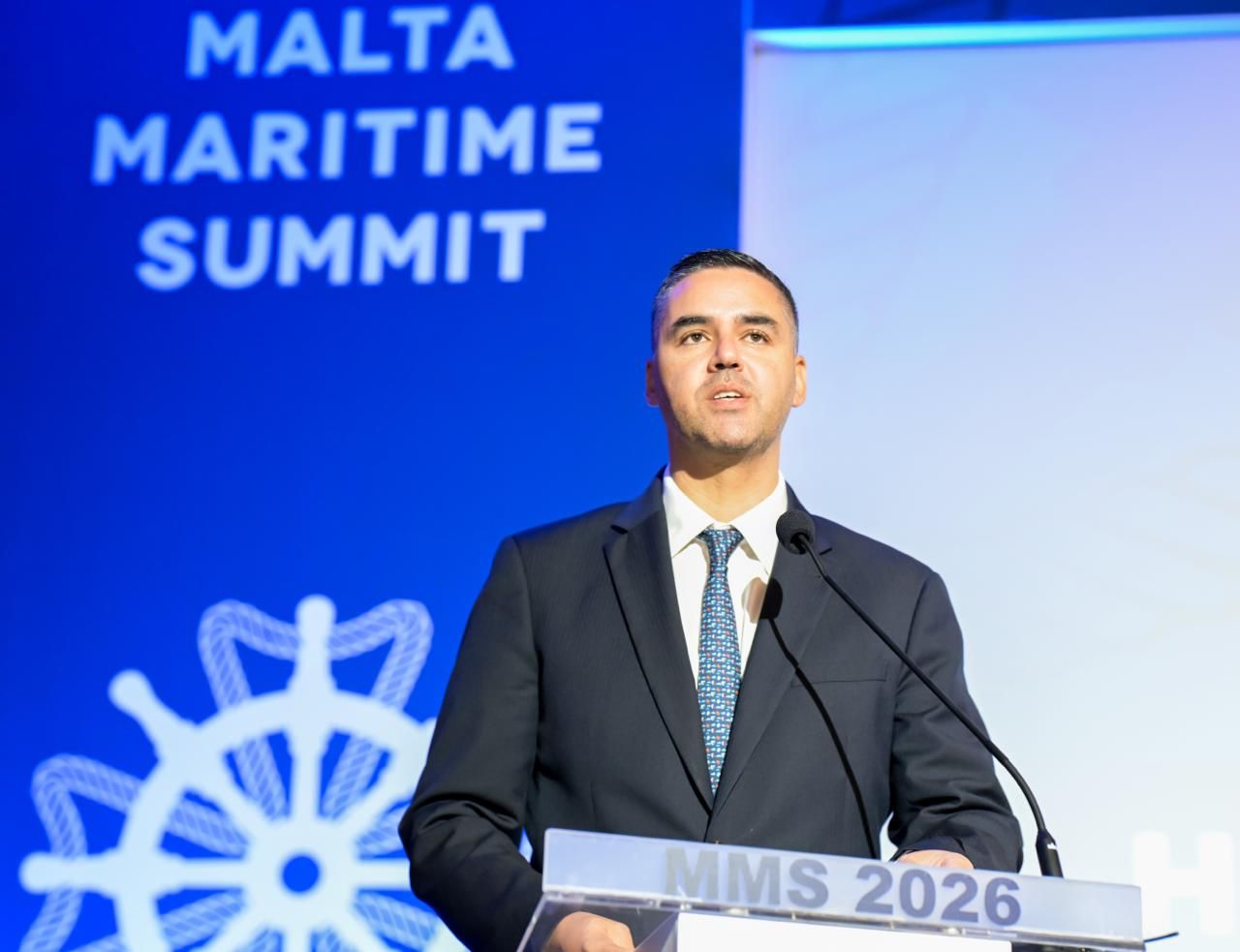
Malta Maritime Summit puts geopolitical risks, regulation and decarbonisation in focus
The summit brings together maritime industry representatives, international experts and global institutions to discuss challenges and opportunities
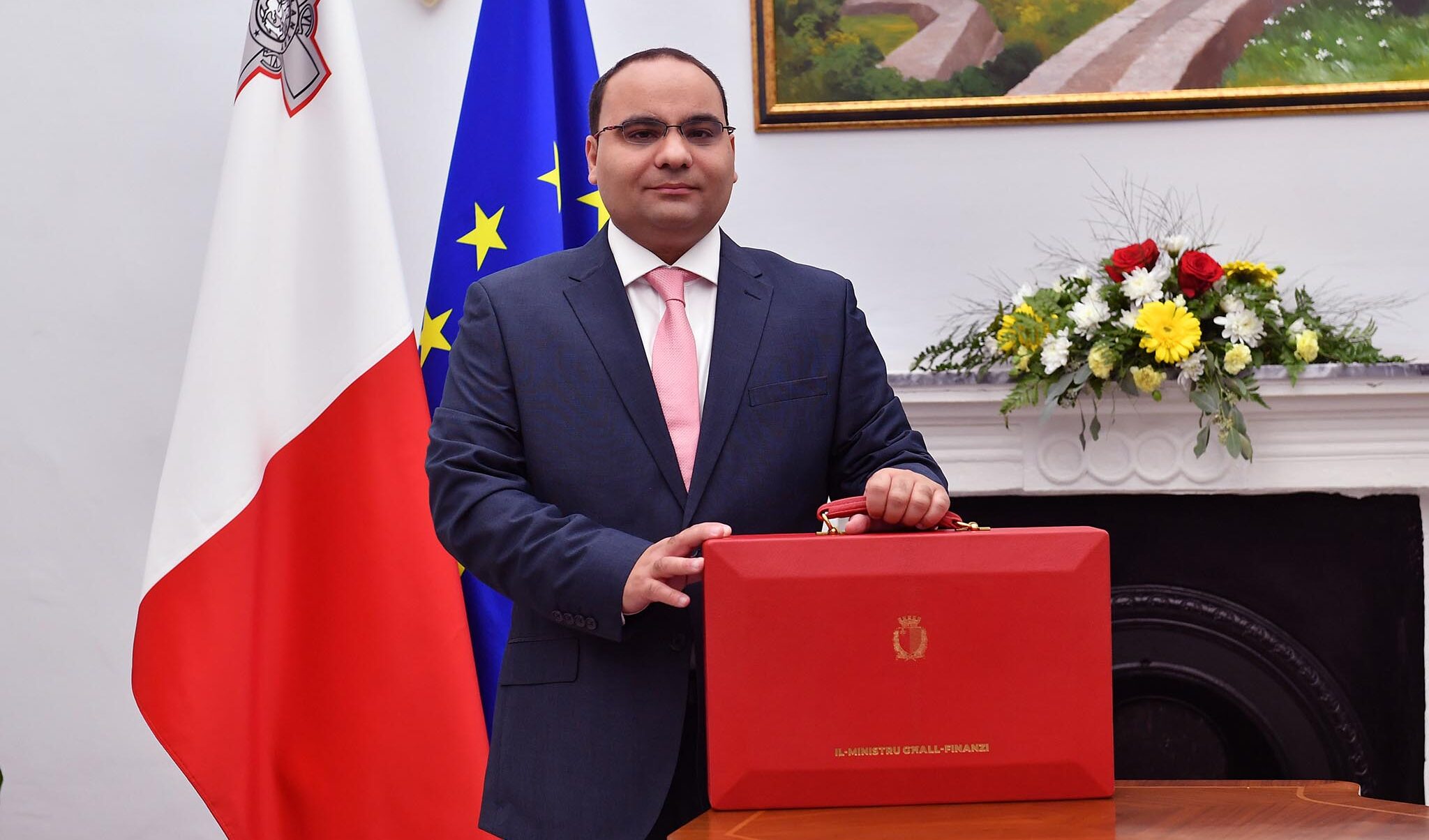
2027 COLA expected at around €5, says Finance Minister
The figure is expected to become clearer once the latest Retail Price Index data is available

Malta’s tourism success should not be measured by arrivals alone – Robert Abela
The Prime Minister wants s a model increasingly based on quality, value and sustainability