

Malta’s logistics operators and consumers are already experiencing the economic impact of the European Union’s Emissions Trading System (ETS). The result is straightforward: higher transport costs that ultimately increase the price of almost everything imported into Malta. By 2028, a second carbon pricing mechanism, ETS2, will add further pressure, risking the affordability of Malta’s essential connectivity with Europe.
The results of this new regulation, over and above ETS, carry the very serious risk of Malta’s connectivity to Europe, our lifeline, becoming unaffordable.
No one disputes the importance of Europe’s transition to a lower-carbon future. Reducing emissions and promoting more sustainable transport are necessary objectives. However, climate policy must recognise that not all Member States face the same realities. For Malta, geography is not a minor consideration but a permanent economic constraint.
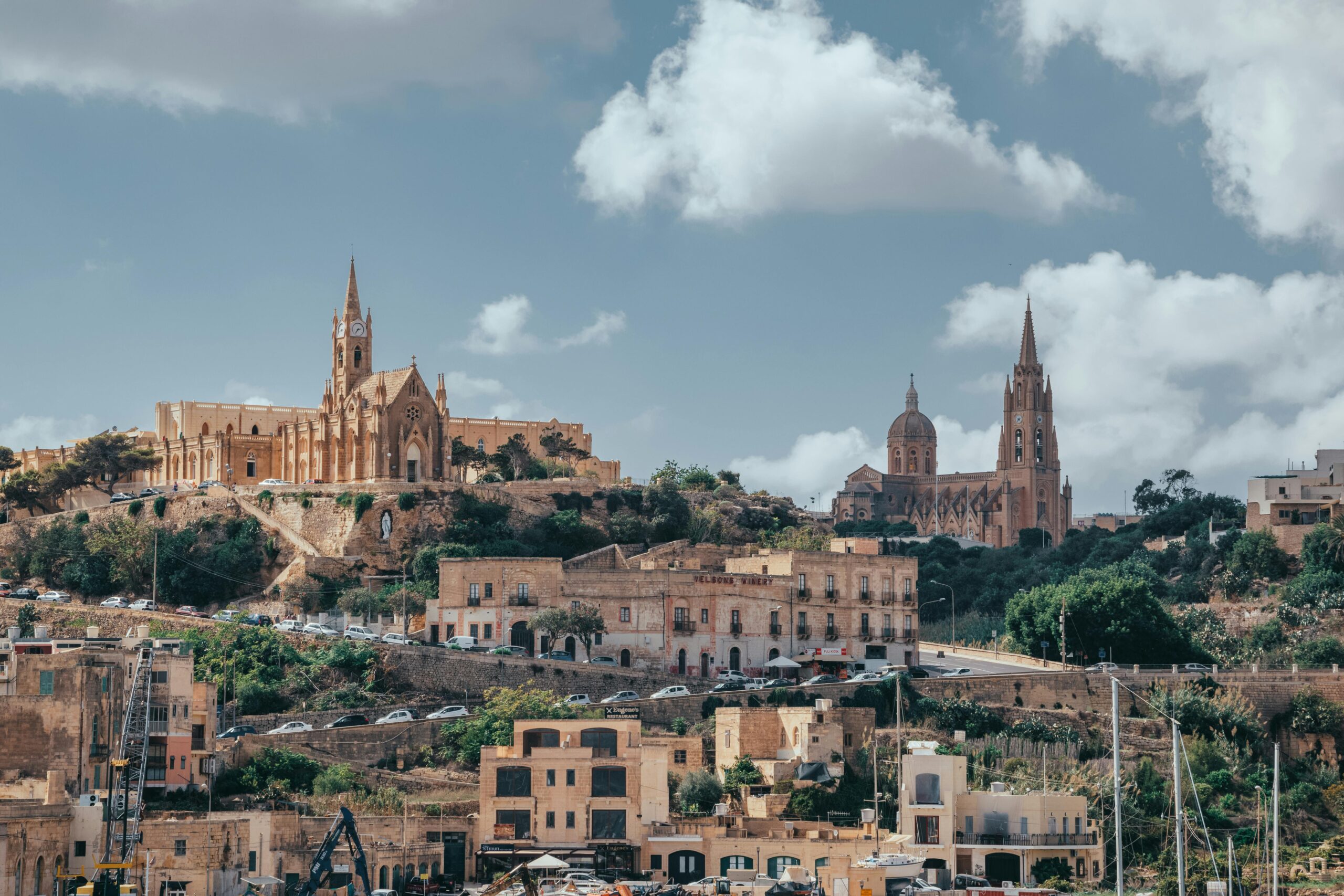
As an island nation state, Malta depends entirely on reliable sea links to mainland Europe. Every day, food, medicines, construction materials, industrial supplies and consumer goods arrive through these maritime connections. Unlike continental countries, Malta has no road or rail alternatives. Sea transport is not a choice; it is our economic lifeline.
Before introducing another major carbon pricing mechanism through ETS2, the European Union must fully acknowledge the pressures Malta’s international transport sector is already facing.
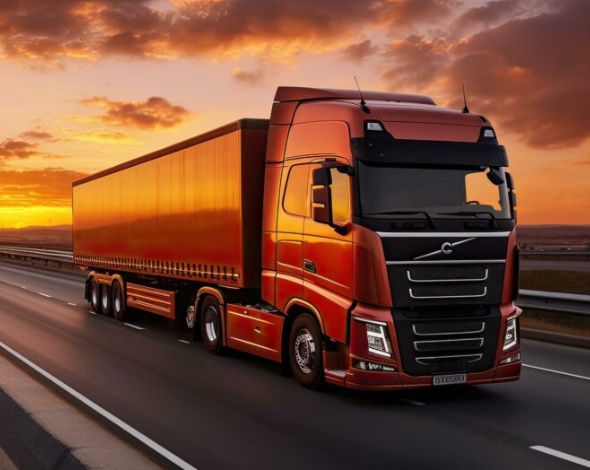
Maltese international trailer operators have no option but to rely on maritime services to reach European markets. A typical return journey between Malta and Genoa covers around 1,400 nautical miles, creating a structural disadvantage that mainland competitors do not face. Yet these operators sustain Malta’s connectivity by generating the freight volumes that support six weekly Ro-Ro services linking Malta with Europe.
The sector is already under considerable strain. Current ETS measures add approximately €1,000 to the cost of each round-trip trailer. These costs cannot simply be absorbed by operators and are ultimately passed on to Maltese businesses and consumers.
At the same time, operators purchase around 90% of their diesel in Europe, where prices average approximately €2.50 per litre. They also face rising port charges, terminal fees and road tolls across the continent. Together, these increasing costs are placing Malta’s transport sector under growing competitive pressure.
This is why European policy must reflect the realities of island Member States. While mainland operators can benefit from road-only routes, rail alternatives and shorter supply chains, Malta has none of these advantages. A one-size-fits-all approach risks placing a disproportionate burden on economies that depend entirely on maritime connectivity.
The ongoing review of the EU ETS framework offers an opportunity to recognise these structural differences. Maltese transport operators are fundamentally different from their continental counterparts because their business model depends entirely on sea transport. Future legislation should reflect this reality.
The challenge will become even greater when ETS2 is introduced in 2028. Designed to extend carbon pricing to road transport and buildings, ETS2 aims to accelerate decarbonisation by increasing the cost of fossil fuels. While the objective is understandable, its impact on island economies requires careful consideration.
Current European assessments suggest ETS2 could increase diesel prices by around €0.13 per litre under moderate carbon price assumptions, with higher scenarios reaching between €0.30 and €0.50 per litre by 2030. For Maltese operators already paying around €2.50 per litre, this represents an additional increase of between 5% and 20%.
The consequences extend well beyond the transport sector. Higher freight costs inevitably explain the higher prices for essential goods, increasing costs for businesses and households alike. ETS2 therefore no longer remains a transport issue but a wider one that concerns national competitiveness, affordability and economic resilience.
ATTO believes that sustainability and competitiveness must go hand in hand. Malta’s transport sector is committed to supporting Europe’s climate objectives, but operators need realistic pathways, targeted investment and policies that recognise the realities of operating from an island state.
If ETS-related revenues are collected, a meaningful share should be reinvested in practical decarbonisation measures, including cleaner vehicle technologies, alternative fuel infrastructure and financial support for operators modernising their fleets. The transition must be supported by investment, not regulation alone.
This is an issue that requires national unity. Government, the Opposition, relevant ministries, Malta’s Members of the European Parliament and all stakeholders must work together to ensure Malta’s unique circumstances are recognised at European level.
The question is not whether Malta should participate in the green transition. It should and it will. The real question is whether Europe can achieve its climate ambitions while safeguarding the competitiveness of island economies, protecting the affordability of essential goods and preserving the connectivity on which Malta depends.
Climate action must remain ambitious, but it must also be practical, balanced and fair.
ECB rate hikes: Implications for investors
The ECB's statements sent important messages to investors on upcoming changes in monetary policy decisions
Extending the reach of the Maltese equity market
'The privatisation of the MSE could be a major focal point of the MSE internationalisation strategy'

State of the Nation: Growth pains, not dying pains
Why Malta’s tourism success demands smart management, not panicked rhetoric