


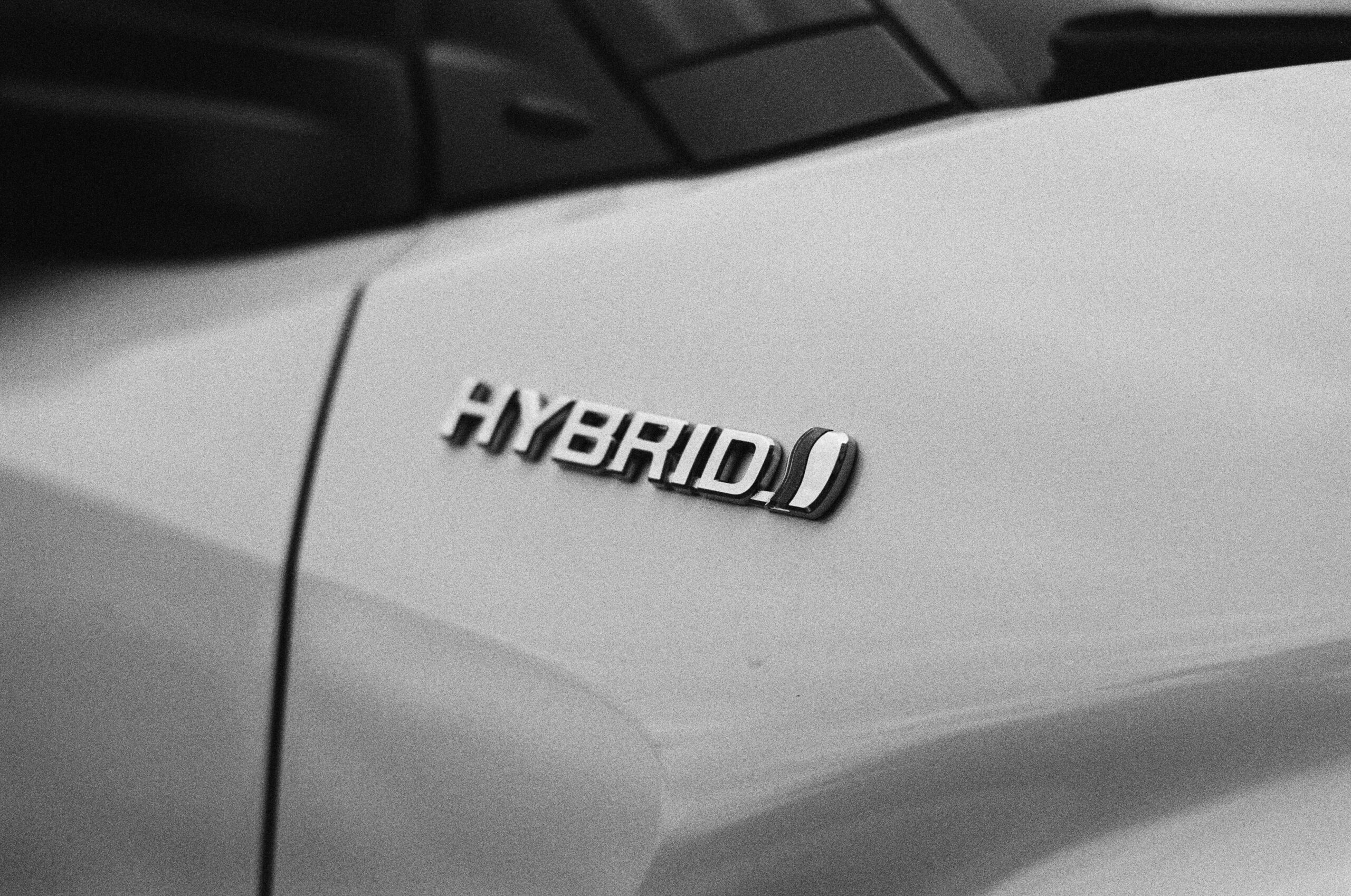
The European Union and China reached an agreement that will curb the importation of hybrid cars from China, with AFP reporting that a cap will be set at around 350,000 per year.
This moves comes after both the EU and China agreed to moderate their entry into the European Union.
At the end of talks which took place in Beijing on Friday, EU Trade Commissioner Maroš Šefčovič said: “We have reached a shared understanding to moderate China's exports of hybrids and plug-in hybrids to the EU. This opens the prospect of cutting China's exports by more than a half. Second, we have reached a shared understanding to improve access to the Chinese market for a series of EU products through lower MFN tariffs. These range from car parts to olive oil and footwear, totalling almost €4 billion in current export value, which would bring at least €225 million in duty savings.”
“Third, we have reached a shared understanding to further facilitate China's export licensing for rare earths and permanent magnets,” he said.
The European Automobile Manufacturers’ Association, which represents 17 major Europe-based car, van, truck and bus makers, welcomed the news.
“European automobile manufacturing has thrived for decades through open and fair competition. However, the sudden and rapid rise in imports of plug-in hybrid electric vehicles (PHEVs) and hybrid electric vehicles (HEVs) from China is having a destabilising effect on the European car market. In H1 2026, the market share of Chinese brands in Europe was 14 per cent for hybrid electric vehicles (up from 2 per cent in 2024) and 25 per cent for plug-in hybrids (up from 2 per cent in 2024),” the association said.
It said that while the announcement is a step in a positive direction, other important issues will need to be addressed in due course, including how imports might disrupt the market in segments such as buses and trucks.
Featured Image:
Markus Spiske / Unsplash
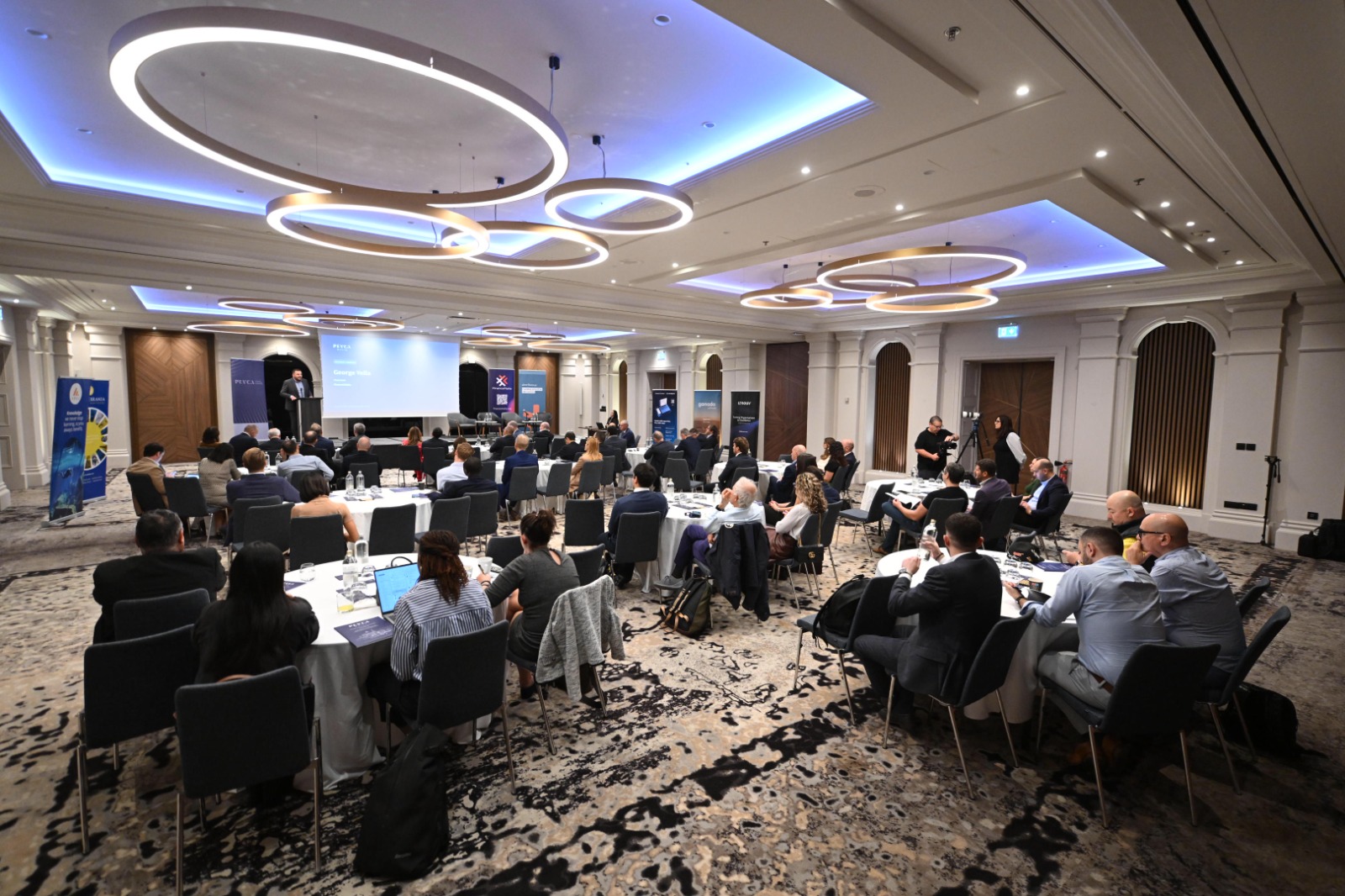

National Skills Council signs agreement with Arts Council to strengthen career guidance
Partnership will explore skills gaps, strengthen career guidance and identify opportunities for joint initiatives

MDA proposes private officers to address construction site traffic management shortages
MDA is calling for an urgent solution to the shortage of officers required for traffic management during construction works,
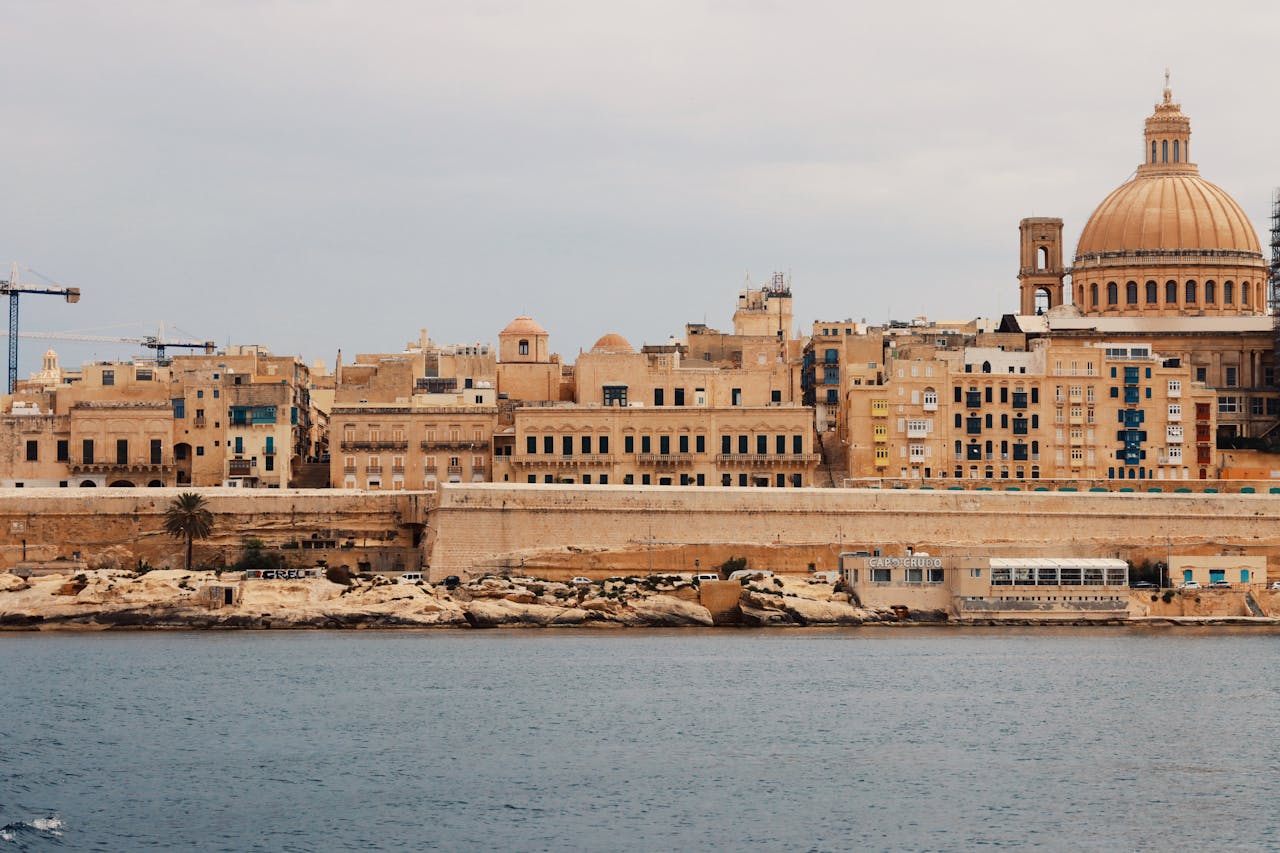
Malta among EU leaders in digital adoption and international trade, skills shortages remain an obstacle
Malta stands out for its use of advanced technologies and strong international trade links in latest EIB survey