



The European Securities and Markets Authority (ESMA) has moved to clarify how prediction markets fit within EU law, warning that some of their products may already fall under existing bans on binary options.
In 2018, the EU banned binary options (ie a fixed payout or zero payout) on regulated financial instruments from being marketed and sold to retail traders.
ESMA now said that although prediction market platforms market their offers as ‘event contracts’, they still classify as binary options under EU law, and are therefore illegal when the questions pertain to the future of financial instruments.
Such financial instruments include securities, currencies, interest rates or yields, emission allowances or other derivatives instruments, commodities, and contracts relating to climatic variables, freight rates or inflation rates or other official economic statistics.
ESMA added that other event contracts within prediction markets may also classify as a bet under national gambling legislation. If they relate to crypto-assets that aren’t financial instruments, they are regulated under the EU’s Markets in Crypto-Assets Regulation (MiCA) framework.
“Firms must conduct this careful legal analysis by adhering at all times to the overarching obligation to act honestly, fairly and professionally in accordance with the best interests of clients, to which they are bound,” ESMA said.
Commenting on ESMA’s clarification, Maltese technology lawyer Terence Cassar said that the business model of prediction markets requires some form of structured guidance to determine prediction categorisations and relative applicable legal frameworks.
“It is only those regulators that understand this nuance that will be able to regulate this model which trespasses across legal institutes in an educated and proper fashion,” he said.
Economy Minister Silvio Schembri said in March that Malta is “actively exploring” the establishment of a legal framework that would provide regulatory clarity to online prediction markets.

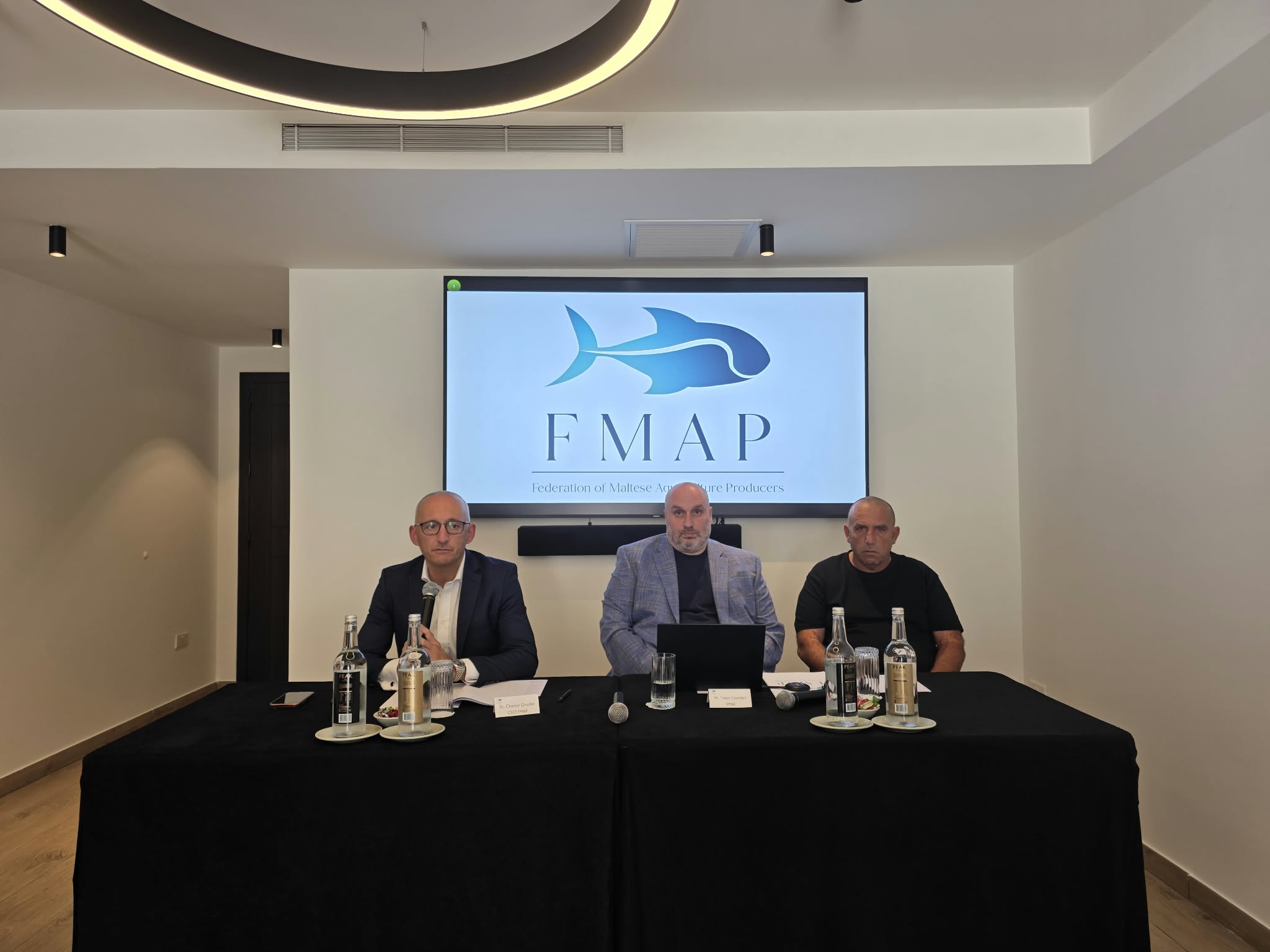
Aquaculture federation CEO hails cleanup campaign a success as 25,500 litres of oily liquid collected
Charlon Gouder said the industry had registered a notable improvement in coastal water conditions this summer
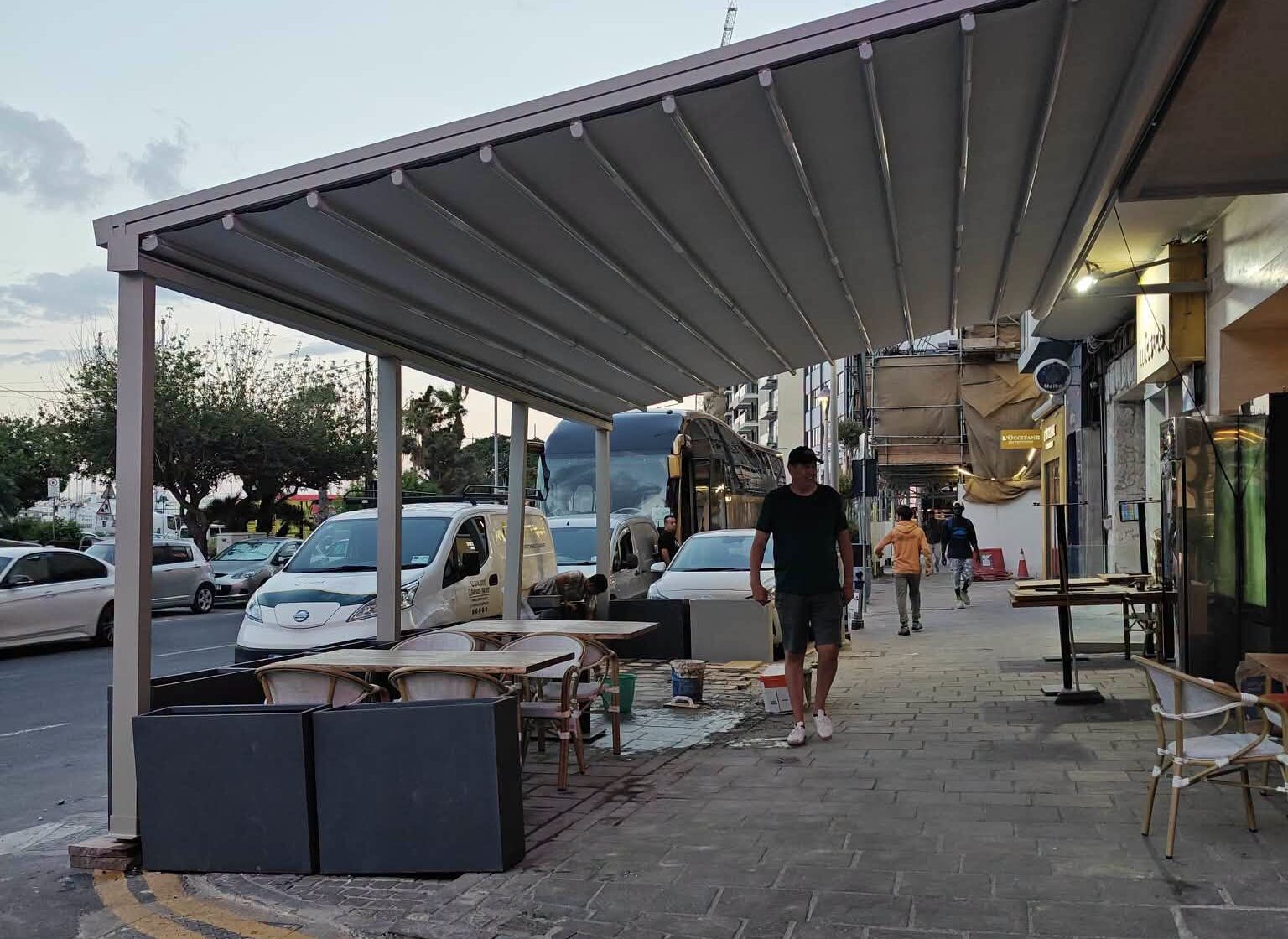
PA orders immediate removal of unauthorised structure outside Piccolo Padre in Sliema
The restaurant is owned by Carlo Stivala and is the first expansion since it was set up in Balluta
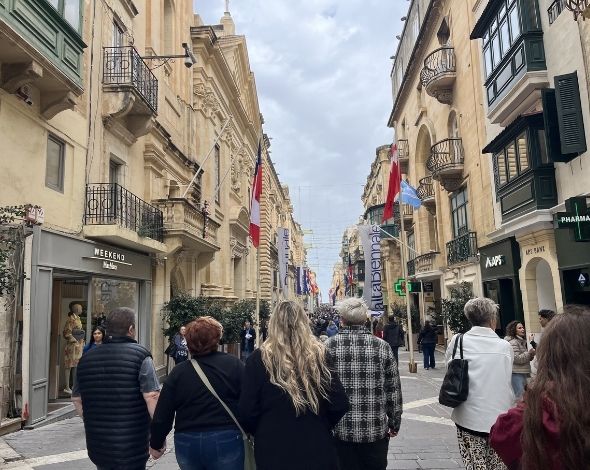
High rents are killing small retail businesses in Valletta, shop owner says
'When you have high rents with low margins, it’s no wonder so many retail shops are leaving Valletta,' she said