



European Central Bank President Christine Lagarde has warned that Europe is becoming increasingly “vulnerable” to global shocks, including rising US tariffs, and is falling behind in fast-growing sectors like artificial intelligence.
Speaking at a banking conference in Frankfurt, Ms Lagarde said Europe urgently needs to rethink its economic model and strengthen its internal market if it wants to remain competitive.
According to her, the region has become too dependent on other countries for its security needs and essential raw materials. This dependency leaves Europe exposed at a time when global pressures are rising, from the US’s tougher trade stance, to Russia’s invasion of Ukraine, to strong competition from China.

Ms Lagarde stressed that while the rest of the world is pushing ahead, Europe’s own domestic market has barely moved, especially in areas that will shape the future economy such as digital technologies and AI.
Europe has traditionally relied heavily on exporting goods, from cars to machinery to pharmaceuticals, in order to fuel economic growth. But Lagarde warned that this model is no longer enough. Weak demand for European exports, structural challenges, and the impact of US tariffs have all held back the region’s growth in recent years, leaving it trailing far behind the US and China.
To turn things around, she called for major reforms: deeper financial integration, fewer trade barriers within the EU and simpler decision-making processes.
She said Europe cannot afford more years of “lost growth” or declining productivity. She cautioned that failing to act would be unfair to future generations, and a strategic mistake. But she also expressed optimism that, with the right changes, Europe can regain its strength: “We can actually make sure that Europe is strong and is not the victim of decisions being made outside of this region.”


EU member states approve long-awaited South American trade deal
The deal follows over two decades of negotiations between the European Commission and a group of Latin American countries

Malta property prices rise 5.7% annually in Q3 2025
Malta’s residential property prices continued to rise
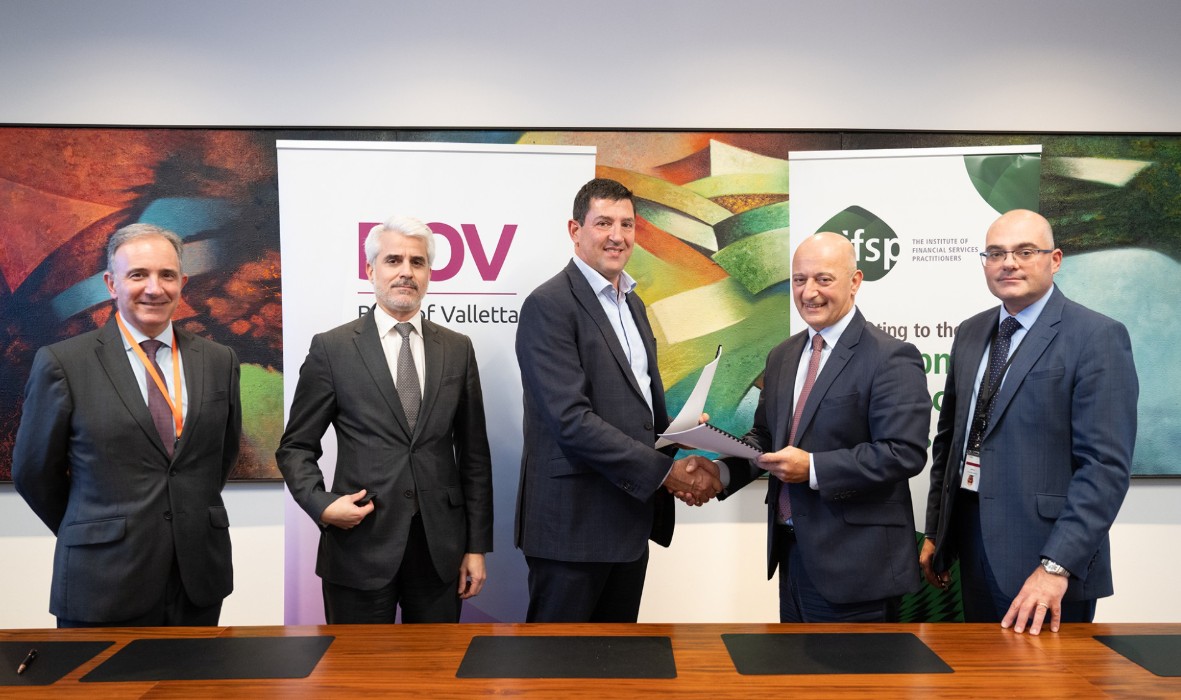
BOV and IFSP join forces to drive skills development across Malta’s financial services industry
A new agreement will focus on professional development, knowledge sharing and joint initiatives to support Malta’s evolving financial services industry