



At the end of a business trip, the finance team may see a hotel charge on a company card, a taxi fare paid by an employee and a receipt that has yet to be submitted. Each expense is straightforward. Getting everything recorded correctly takes more effort.
For businesses managing several teams, departments or projects, that work quickly adds up. Finance needs to chase receipts, check expenses, account for each payment and reimburse staff if payments were made with personal cards. Meanwhile, a project manager may still be unsure how much of the budget is left.
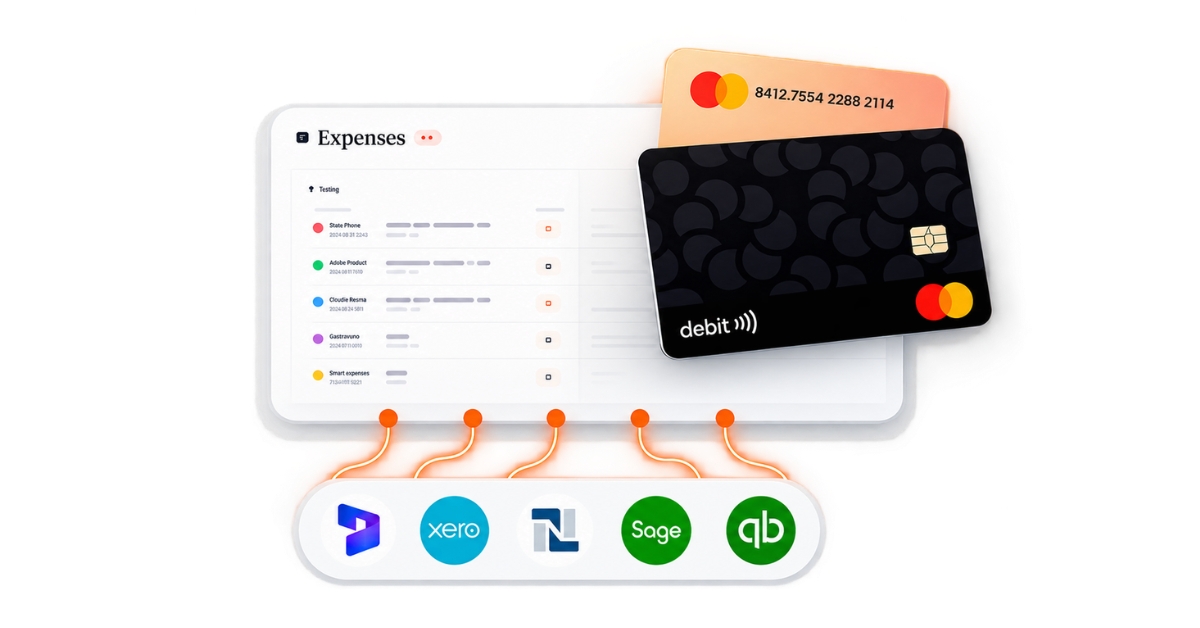
Malta-based Fyorin has launched Expense Management with accounting integrations to bring those tasks together. It handles card purchases, cash expenses and supplier bills paid by card in one process, with all expense records connected to the company’s existing accounting software.
Know what a project costs before it ends
With Fyorin’s Claims feature, card purchases for a trip, project or period are automatically grouped under a budget set in advance. Managers can follow spending as it happens and see what remains.
A taxi paid for in cash or out of an employee’s pocket can be recorded through Manual Accounts. It follows the same process as card expenses, including how it is categorised, how VAT is handled and how it reaches the accounts. The project total can therefore reflect spending that would otherwise arrive through different channels.
Software subscriptions present another common challenge. Although paid by card, they may need to be recorded as supplier bills. Fyorin’s Card-to-bill feature can recognise these payments using company rules, retrieve the attached invoice, record the bill and match it to the payment.
Receipts are handled within the same workflow. Using receipt capture powered by Dext, Fyorin reads details including the supplier, amount and date, then suggests the appropriate accounting category. Where a value-added tax (VAT) rule has been configured, the relevant tax is calculated too.
Checks where they are needed
Not every purchase needs another sign-off. Fyorin’s approval settings allow businesses to set when sign-offs are needed for expenses with a missing receipt, over a set amount, or those falling into a particular category. Other purchases can proceed without approvals, meaning no waiting or disruption to business operations.
For businesses operating through several departments or companies, the Recharging feature assigns costs to the right team or entity when they are submitted. Fyorin cards also belong to the business, so they remain with the company if an employee changes role or leaves.
“Finance teams should be able to see what is being spent without taking hours at the end of every month chasing paperwork. We built this around the way finance teams actually handle expenses,” said James Camilleri, co-founder and CEO of Fyorin.
Working with existing accounting software
The new service connects with NetSuite, Microsoft Dynamics, QuickBooks, Xero, Acumatica and Odoo. Businesses decide whether transactions are recorded immediately or after a delay, giving finance time to review information before the expense is posted to the accounting system.
“Card payments and cash expenses should end up in the right place, with the supporting documents attached. Many expense tools are designed around the person spending the money. Ours is designed around the finance team and accountants,” said Christian Joseph Agius, Fyorin co-founder.
To find out how Fyorin’s Expense Management connects business spending with accounting records, visit our website, and follow Fyorin on LinkedIn for further updates and insights.
Fyorin serves more than 500 businesses in over 20 countries and is ISO/IEC 27001:2022 certified.

Government responsible for ensuring infrastructure supports economic model – Employers’ Association
Economic growth has relied heavily on sustained construction and was encouraged by government’s pro-development policies, it said
Only one in three Maltese family businesses have a written succession plan
A survey of 150 businesses also found that while turnover increased for most respondents, half reported stagnant profits

‘Smart Regulation, More Agility’ event will see businesses propose ideas for more agile regulatory environment
It will focus on legislative amendments, the Malta Business Wallet, and the Youth Enterprise Framework, among other things