



Several operators in Gozo reported that they have already experienced booking cancellations for 2027 from both the domestic and international markets, following the eco-tax rise announced by the Government, the Gozo Tourism Association (GTA) said.
It said that while it remains premature to quantify the overall effect, these developments point towards increasing concerns regarding Gozo's affordability and competitiveness as a tourism destination.
The Budget for 2027 included an increase in the eco-tax, rising from €1.50 per night, to €8 a night for staying in hotels and €10 a night for staying in short lets.
The GTA has now submitted a detailed position to the Prime Minister, the Minister for Finance, the Minister for Tourism, and the Minister for Gozo outlining the concerns and recommendations of Gozo's accommodation sector regarding this planned increase.
The position reflects the outcome of a consultation meeting recently convened by the GTA with its members from across Gozo's accommodation sector.
“Participants expressed serious concerns regarding the potential implications of the proposed eco-contribution measures on the competitiveness of Gozo's tourism industry and the wider Gozitan economy,” it said.
During the discussions, stakeholders emphasised that Gozo's tourism profile differs significantly from that of Malta and that these distinctions should be duly recognised when national tourism policies are being formulated. It was noted that approximately 77 per cent of Gozo's accommodation bedstock consists of short-let properties. “Consequently, the proposed differential eco-contribution rates between hotels and short-let accommodation would disproportionately impact Gozo, where this segment constitutes the backbone of the island's accommodation offering.”
The meeting also highlighted that, despite tourism being the principal pillar of Gozo's economy, foreign tourist arrivals to Gozo account for only 4.3 per cent of total tourist arrivals to Malta. Furthermore, average occupancy levels remain below 60 per cent and substantially lower than those recorded in Malta, the GTA said.
Stakeholders reiterated the importance of domestic tourism to Gozo's visitor economy, noting that domestic visitors account for 67 per cent of all overnight tourists and generate 46 per cent of total bednights on the island. “In this context, any significant increase in accommodation costs is likely to influence travel decisions, particularly amongst price-sensitive domestic travellers.”
The GTA said that operators also expressed reservations regarding the current eco contribution collection mechanism. “Concerns centred on the limited visibility surrounding the allocation and utilisation of the revenues collected, the administrative burdens imposed on accommodation establishments, and the practical reality of operators acting as tax collectors on behalf of the authorities.” Additional concerns were raised relating to commercial confidentiality and data protection, particularly where the disclosure of sensitive business information could lead to competitive disadvantages.
Following extensive discussion, participants unanimously agreed on a number of proposals which have now been formally submitted to Government for consideration.
The GTA is calling on Government to postpone the implementation of the revised eco-contribution rates until 1st July 2027. It is also calling for the introduction of a distinct regional eco-contribution framework for Gozo that reflects the island's unique tourism realities and characteristics.
It is asking Government to establish a flat eco-contribution rate of €4.00 per person per night across all accommodation establishments in Gozo, and also for a maximum chargeable period of seven nights per stay.
In addition, it is calling on Government to ring-fence all eco-contribution revenues generated from tourism accommodation establishments in Gozo, and to establish a dedicated Gozo Sustainable Tourism Fund responsible for administering and investing these revenues in tourism and environmental projects that directly benefit the island and its communities.
The Association stressed that a one-size-fits-all approach is not appropriate for Gozo. “The island continues to face the challenge of increasing visitor arrivals, extending tourism seasonality and improving annual occupancy levels. Measures designed primarily to address challenges related to Malta's accommodation market should not inadvertently undermine the competitiveness of Gozo's tourism sector.”
The GTA noted that if the principal objective of the eco-contribution is to address the environmental impacts associated with tourism activity, consideration should also be given to the substantial number of day visitors who utilise Gozo's infrastructure, public services and environmental resources without making an overnight stay and therefore without contributing through the existing eco contribution system.
In its communication to Government, the GTA urged the authorities to give serious consideration to the proposals put forward by industry stakeholders in Gozo.
It said it remains available to engage further with Government and relevant stakeholders in the development of a policy framework that reflects Gozo's distinct realities.

INDIS launches framework for solar panel installations across industrial estates
The initiative is designed to encourage investment in renewable energy, INDIS said

Businesses with 50 or more employees account for 47.3% of Malta’s business employment
Micro-enterprises continuing to dominate Malta’s business landscape
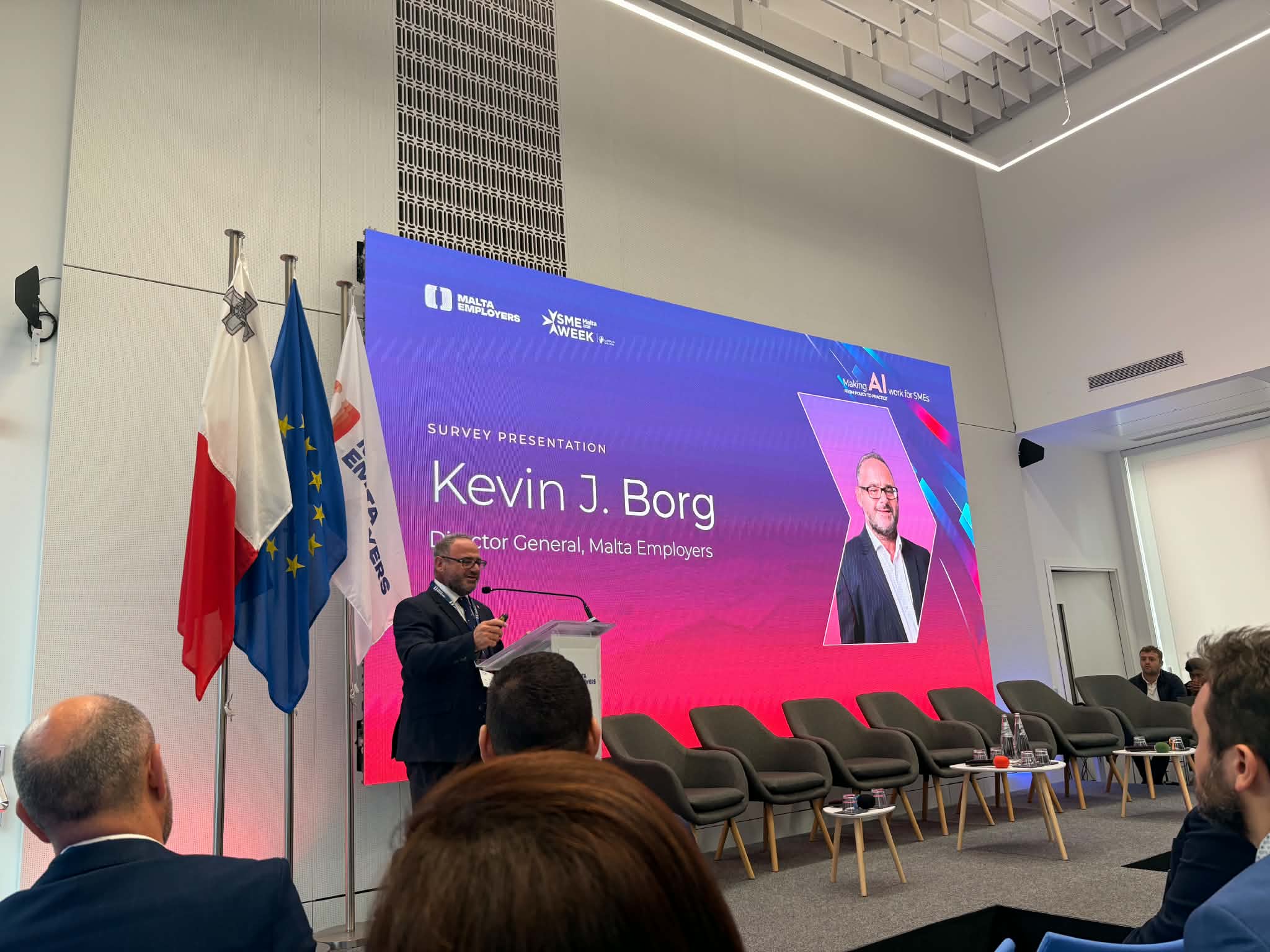
More than 7 in 10 Maltese employers using or testing AI, but skills and regulatory gaps persist
72% of businesses using AI report improved efficiency