


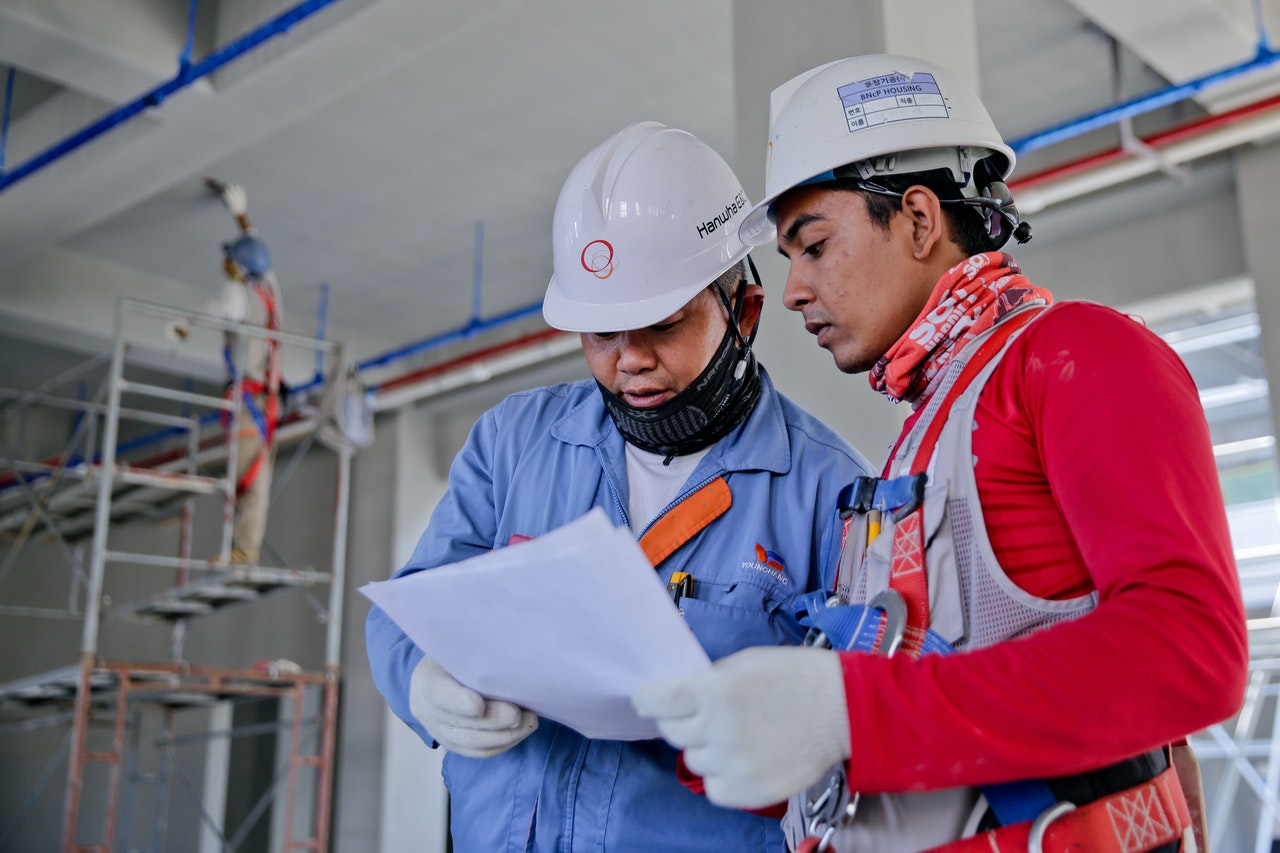
New rules set to come into force on 1st July 2024 will oblige architects to submit an updated Energy Performance Certificate (EPC) to the Building and Construction Agency (BCA) as part of the method statement, with works only being cleared to proceed after the agency has given its approval of the document.
The new Minimum Energy Performance Requirements are meant to comply with the objectives laid out in the European Green Deal, specifically to reduce the energy impact of buildings throughout their life cycle.
In comments made to BusinessNow.mt, a representative of the BCA stated that the new rules will effectively enforce existing regulations stipulating that an EPC is required for new buildings.
Asked whether the new obligation will further extend the time required to obtain clearance for works to begin on construction sites – already the subject of complaint by the Malta Development Association – the representative said that talks are underway to ensure the BCA is equipped with the resources required to provide timely clearance by the date the regulation comes into force.
The Minimum Energy Performance Requirements effective from 1st July are more stringent than previous iterations, and also include provisions for the renovation of existing buildings
Under the new rules, buildings must have a minimum roof insulation of around five centimetres, meant to improve thermal efficiency.
Air conditioning systems must also have inverters, with fixed speed models being no longer certifiable as compliant.
An old law that every building must include a well to collect rainwater is also being included in the updated requirements. While nominally in place, this law has long been disregarded in many developments.
Significantly, for a country enjoying the most hours of sunshine of any European nation, new buildings must designate space for the installation of PV panels. This space must be determined early on in the project, to avoid situations where other uses are envisaged for the roof, leaving no space for such panels.
The new rules are expected to come at a cost. The Labour Party-owned publication, The Journal, referred to studies indicating that construction costs may increase by 10-12 per cent.
While this cost should be, in the long term, “absorbed with the savings” from the greater energy efficiency, the publication admitted that “some projects might face feasibility issues, potentially rendering them unviable due to these added expenses.”
The technical documents (Doc F) related to the changes can be found here.


Sun, sea and leisure motivate 81% of tourists visiting Malta, survey finds
The vast majority said that their visit to the country at least met their expectations
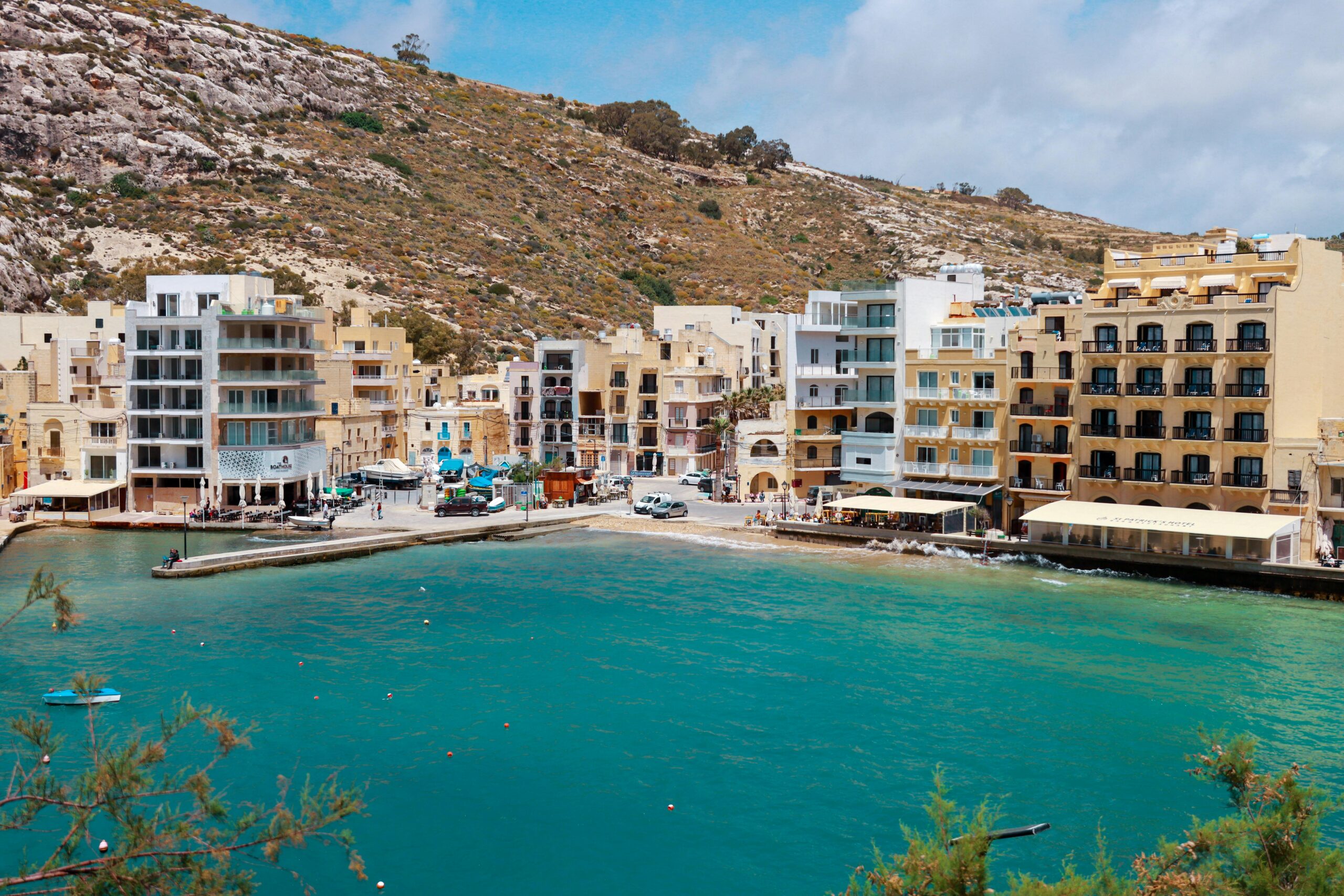
Gozo Tourism Association objects to increased tourism establishment fees amid rising cost pressures
Tourism operators are already grappling with substantial increases in operating costs, it said
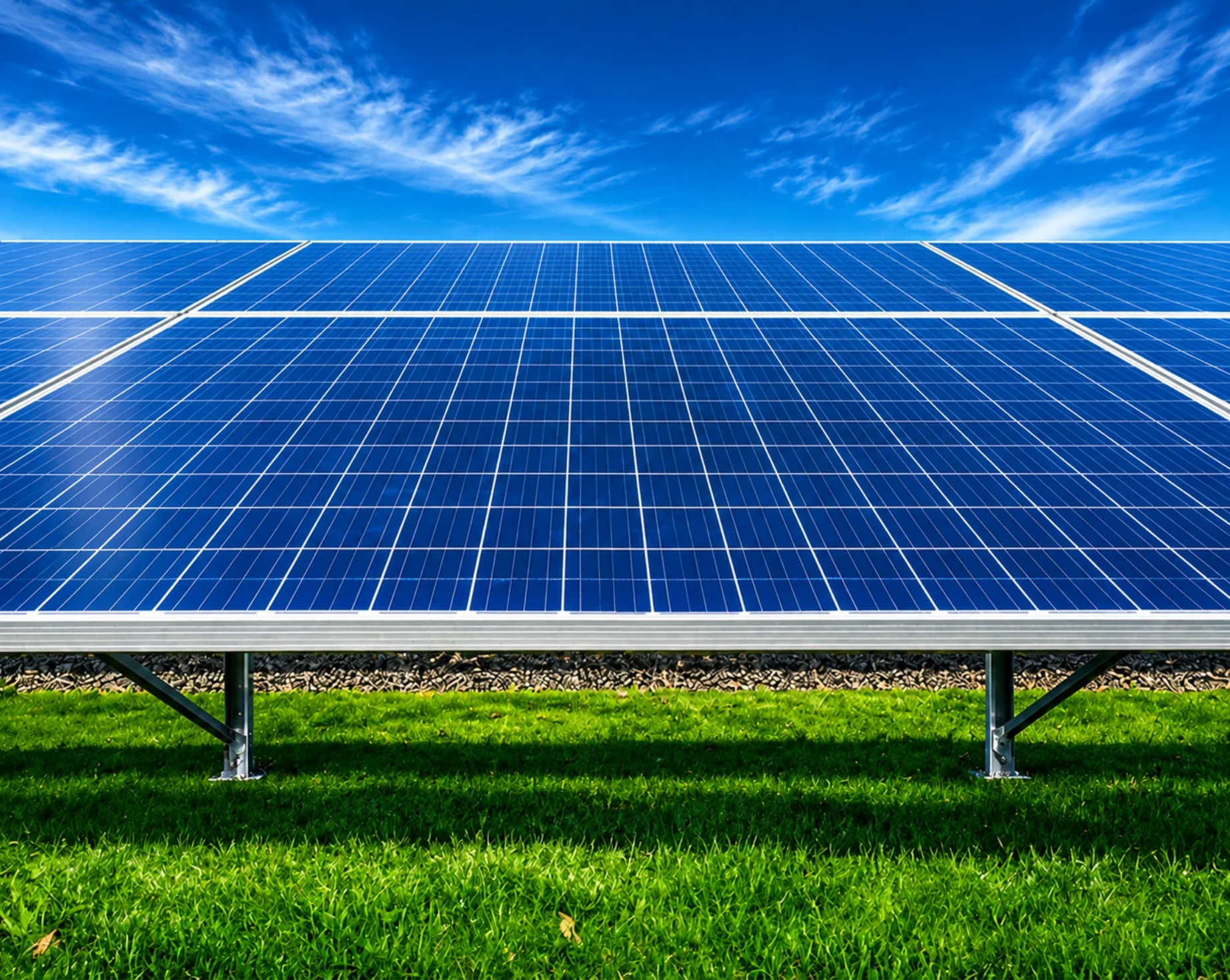
INDIS launches framework for solar panel installations across industrial estates
The initiative is designed to encourage investment in renewable energy, INDIS said