



Household adjusted disposable income in Malta reached €16.1 billion in 2025, an increase of approximately €967 million, or 6.4 per cent, compared with 2024, Bank of Valletta has said.
This extended the sustained upward trend recorded since 1995.
The bank issued the data and said that the adjusted disposable income amount includes social transfers in kind. Social transfers in kind, in the form of publicly provided goods and services, accounted for around 18 per cent of adjusted disposable income.
BOV noted that compensation of employees remained the principal source of household income, accounting for 64.3 per cent of the total in 2025. Additionally, households derived almost €4.4 billion from other primary sources, notably business profits, self-employment income, and interest.
The bank said that households received a further €2.5 billion, largely in the form of social benefits.
“On the other hand, households paid around €4 billion, the bulk of which related to income taxes and National Insurance contributions.”

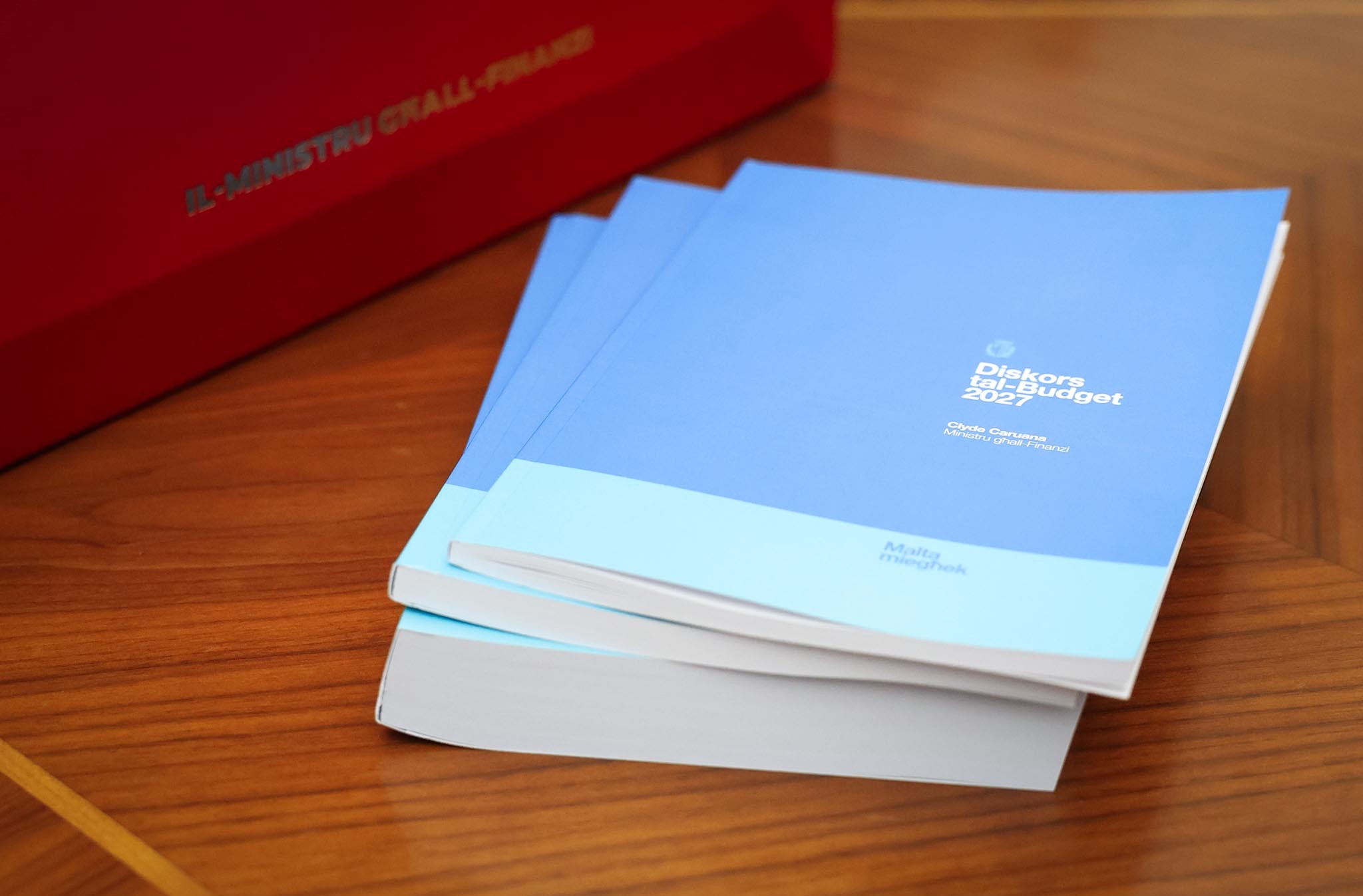
85% of non-EU survey respondents say TCN Budget measures are unfair and unnecessary
The least welcome measures among non-EU residents was the €400 annual infrastructure contribution
Scope Ratings affirms Malta’s A+ rating, flags energy subsidy pressures
'Private consumption remains a key driver of economic activity,' it said
‘Labour market conditions remained tight but showed some signs of moderation,’ Central Bank says
In the second quarter of 2026, the overall employment rate increased to 80.1 per cent