


With over a decade of success in African private equity, Mediterrania Capital Partners is now opening the doors to public market opportunities through its Africa Select Equity Fund (ASEF).
Why now?
“Because the moment is ripe, and the opportunity is vastly underappreciated,” says Omar Fahmy, Africa Select Equity Fund Director and Portfolio Manager
In July 2024, Mediterrania launched ASEF, a bold yet calculated move into listed equities after more than 12 years of hands-on private equity investing across the African continent. The fund has already made waves. Delivering an impressive ~30 per cent gross return in its first year, ASEF is reshaping how institutional investors think about Africa’s public markets: a growth engine and a diversifier in global portfolios.
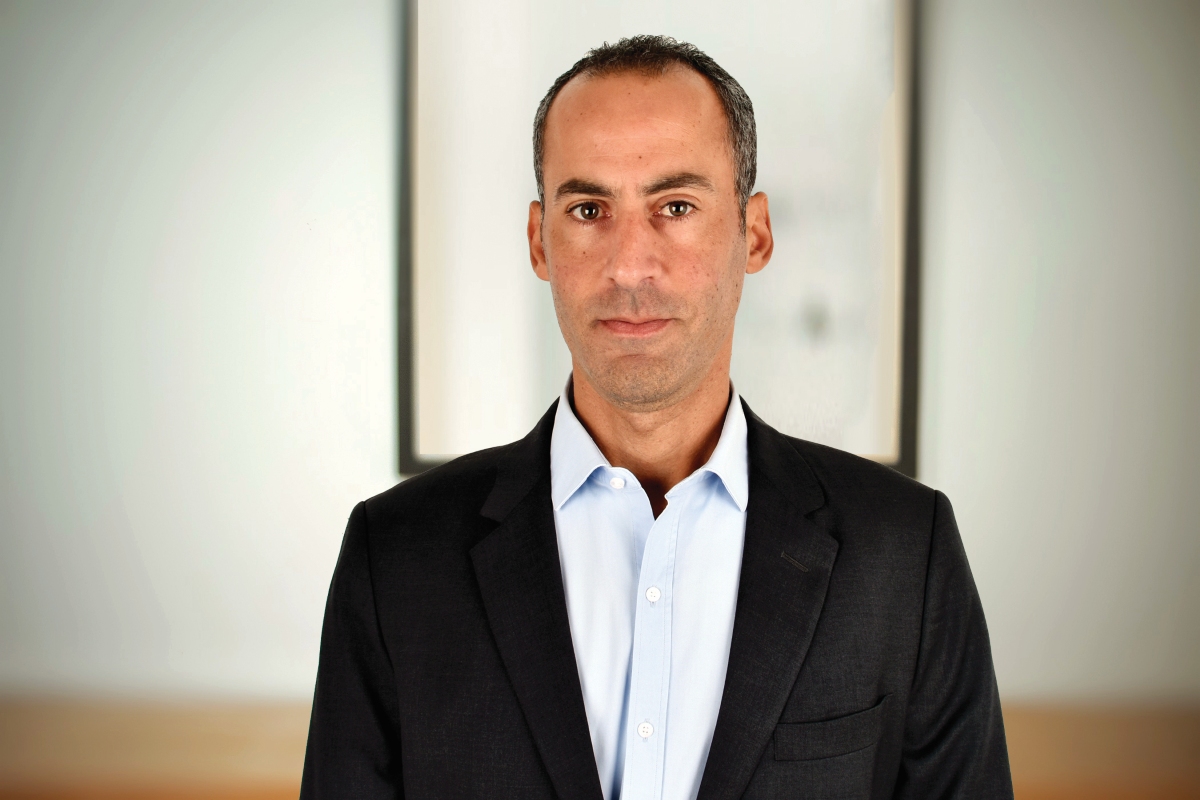
“ASEF is a natural extension of our platform,” Omar says. “We’re bringing our same rigorous, value-driven approach to public markets, just with added liquidity and accessibility.”
Mediterrania’s investment thesis has always centred on deep research, long-term thinking and engaged ownership. Historically, this played out in the private sphere: supporting African businesses through growth capital and strategic involvement. Now, ASEF takes that DNA and applies it to listed equities. The fund invests in 20 to 25 companies that meet the same strict standards Mediterrania has always applied.
The transition wasn’t rushed. Omar explains that Mediterrania has tracked African capital markets closely since its inception, observing a gradual maturation in local exchanges, governance and institutional frameworks. “Listed equities are simply a different format. Our philosophy hasn’t changed. We still look for undervalued companies with strong fundamentals and long-term growth potential.”
ASEF’s early success, marked by a ~30 per cent gross return, reflects a combination of disciplined stock selection and favourable market tailwinds. As capital flows returned to emerging markets in early 2025, ASEF’s portfolio, with a forward P/E of 5.8x and a dividend yield of 6.2 per cent, stood out for its relative value. But Omar doesn’t credit macro conditions alone.
“The performance is driven by deep bottom-up research. We select businesses with robust cash flow, strong management and a local or regional moat. Our goal isn’t just to ride waves; it’s to identify and create value over the long term,” he maintains.
The team attributes its momentum to careful exposure, a benchmark-agnostic strategy and continuous dialogue with investee companies – a hallmark of its private equity heritage. While many Africa-focused equity funds diversify broadly across the continent or mirror index weightings, ASEF is more focused in its approach. By capping the fund at €150 million, Mediterrania preserves return potential and ensures it can move nimbly even in less liquid markets.

“Our edge is in stock selection,” Omar notes. “We don’t aim to own the whole index. We want to own the 20 or so best ideas we can find, and to hold them with conviction.”
ASEF also stands out for its active engagement with listed companies, an approach more commonly seen in private equity. Mediterrania brings in operational and governance insights, encouraging companies to improve transparency, capital allocation and long-term strategy
From an investor perspective, ASEF offers compelling diversification benefits. Africa’s public markets, historically underfollowed, show low correlation to developed markets, roughly 0.70, but ASEF’s idiosyncratic strategy brings that figure even lower, to 0.50. “For global portfolios, ASEF offers true alpha: returns based on local fundamentals, not global macro cycles,” Omar says.
But Mediterrania’s ambitions go beyond portfolio returns. The firm sees itself playing a catalytic role in capital markets development across Africa. By engaging with companies on disclosure and governance, the fund contributes to the institutional strengthening of the ecosystem.
Why now? Omar points to Africa’s young and growing population, rapid digital adoption, abundant natural resources, and compelling valuations. “Africa is young, urbanising and increasingly connected. Meanwhile, listed valuations remain deeply discounted. That’s a mismatch and an opportunity.”
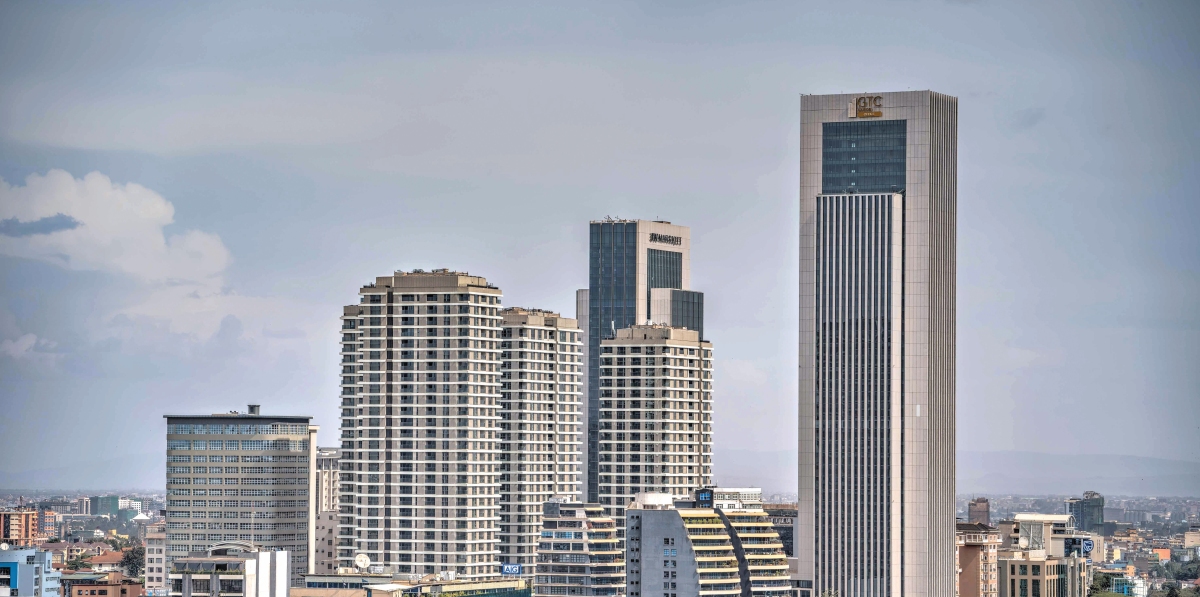
Markets like Egypt, Morocco, Kenya, and Nigeria are home to regional champions in sectors like banking, telecoms, fastmoving consumer goods, and infrastructure, he continues, noting that these are businesses with scale, resilience, and, crucially, a long runway for growth. Additionally, liquidity conditions are improving, helped by stronger local pension funds and rising domestic investor participation.
Naturally, any discussion about African markets invites questions around currency risk and liquidity. Mediterrania has structured ASEF to address both. The fund offers bi-monthly redemptions, providing more flexibility than traditional vehicles. Its €150 million cap allows for targeted positions in smaller or mid-cap stocks, which might be overlooked by larger funds.

On the FX front, risk is managed bottom-up by prioritising companies with local cost bases and pricing power, export revenue or foreign-denominated income streams, and offshore listings when appropriate. “We don’t take currency views. We manage for resilience at the company level,” Omar says.
As global investors seek growth beyond saturated markets, Mediterrania believes that Africa’s capital markets deserve more attention. Through ASEF, it offers a research-driven path to those markets, balancing downside protection with the potential for high returns. “Our goal isn’t just to outperform. It’s to help build confidence in African equities as a serious, investable asset class.”
Looking ahead, Mediterrania sees ASEF and its broader platform playing an important role in shaping transparent, well-governed and liquid capital markets across Africa. “Africa is too big to ignore and too fragmented to approach passively. That’s where we come in.”
This interview was first carried in the 2026 edition of Business Now Magazine, the sister brand to BusinessNow.mt and produced by Content House Group.

A single digital portal aims to streamline permits and processes in the construction sector
The PA, BCA and OHSA have signed an MoU for the portal

Employers call for Pay Transparency Directive to be postponed
The Association is citing a lack of legal clarity and mounting concerns among employers

Malta among EU countries with lowest rent increases in 2025
Rent in Malta increased by 1.7% last year