



COVID vaccinations will become mandatory in Austria from 1st February, the country's Government announced on Friday, as it is again forced into a national lockdown.
The country's relatively large number of unvaccinated citizens (around one third), were already barred from leaving their homes for non-essential purposes.
This represented the first time a European country had imposed a lockdown targeting unvaccinated people, aiming to limit the spread of the virus.
This was ultimately unsuccessful, and the nation has recorded a spiralling COVID case surge, setting a new record high for daily positive cases, recording 15,145 on Thursday.
Only 65 per cent of Austria's population has been fully vaccinated against COVID – a level which was described by Chancellor Alexander Schallenberg as "shamefully low," and is indeed one of the lowest in Europe.
The national lockdown is said to last for a maximum of 20 days.
Europe is currently experiencing a resurgence in COVID cases, with a number of countries now introducing additional measures to attempt to stem the spread of the virus.
In Malta, where COVID cases seem to be increasing despite very high levels of vaccinations, Deputy Prime Minister Chris Fearne has insisted that the situation at the country's hospital remains "stable," and most positive cases are experiencing only "very mild symptoms."
A booster jab is currently being rolled out, and Mr Fearne has insisted this could make a "big difference" locally.
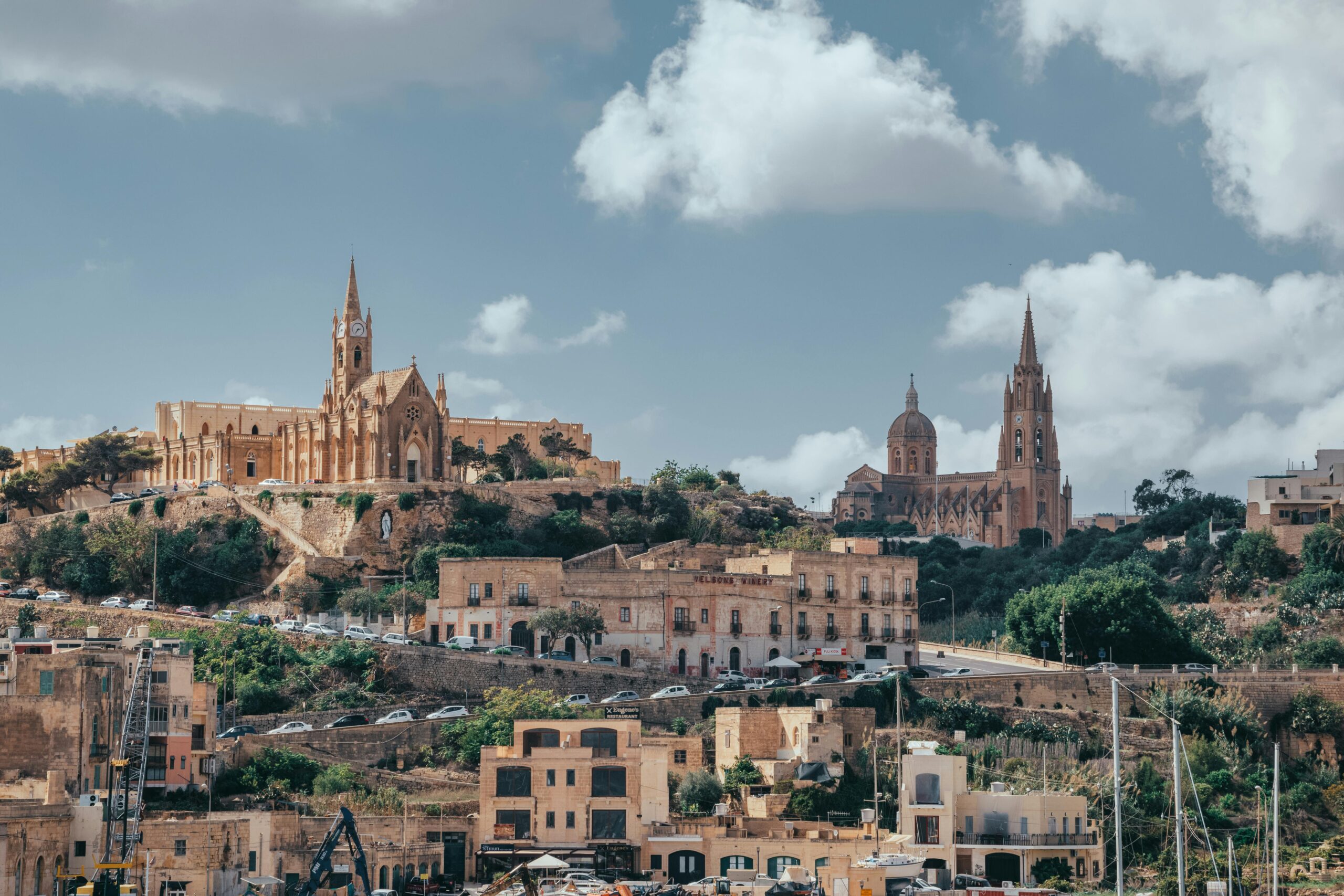
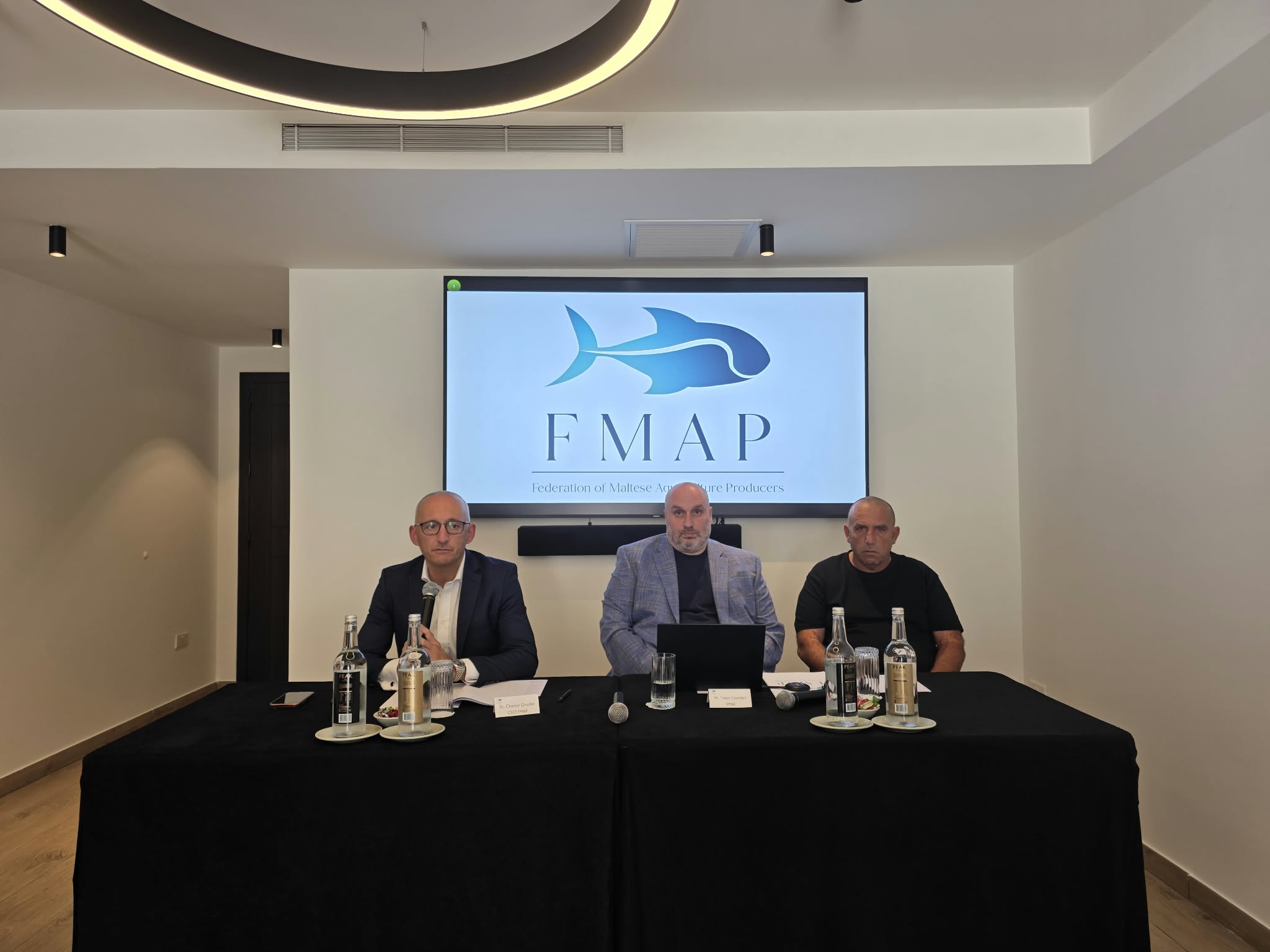
Aquaculture federation CEO hails cleanup campaign a success as 25,500 litres of oily liquid collected
Charlon Gouder said the industry had registered a notable improvement in coastal water conditions this summer
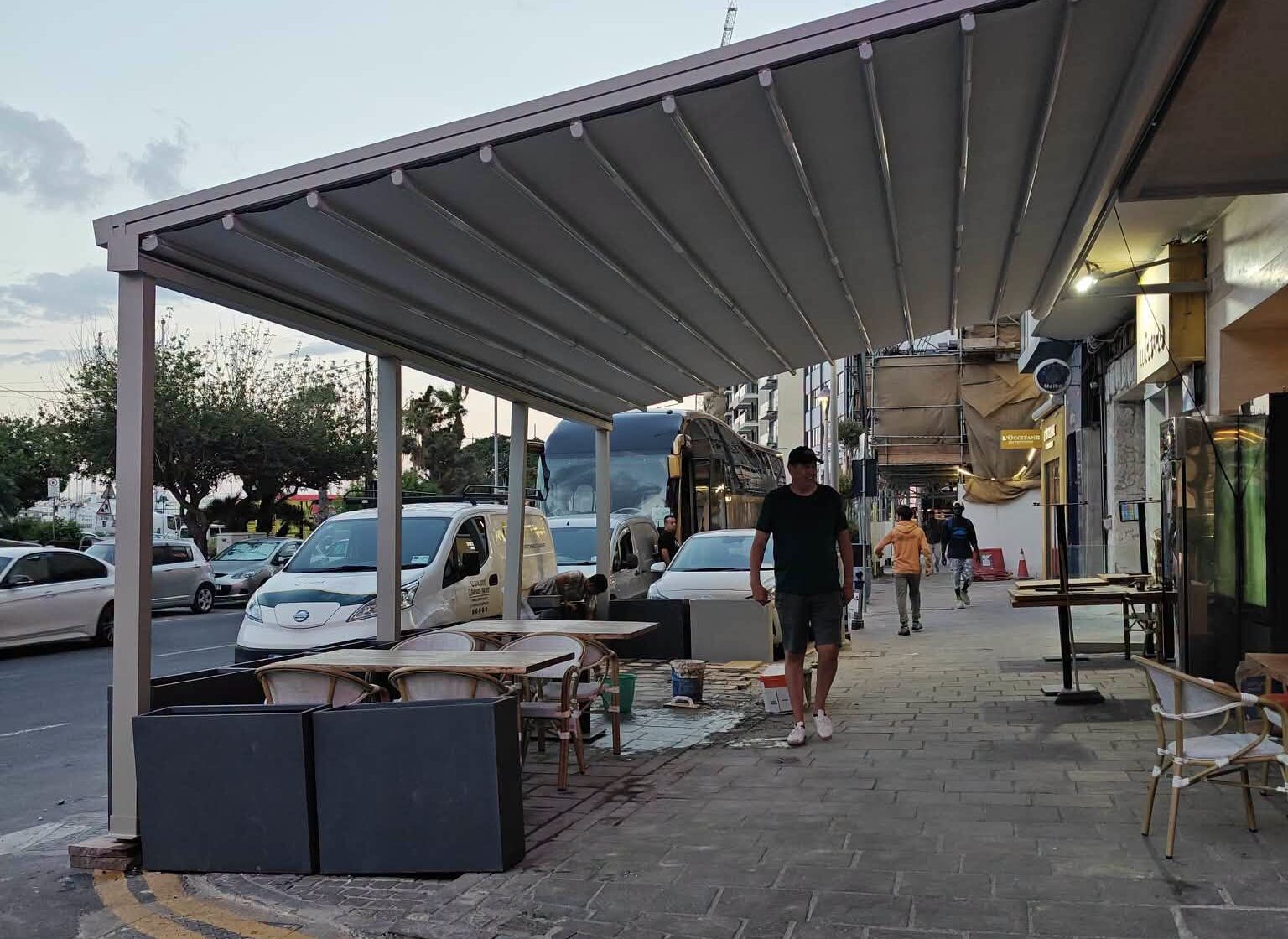
PA orders immediate removal of unauthorised structure outside Piccolo Padre in Sliema
The restaurant is owned by Carlo Stivala and is the first expansion since it was set up in Balluta
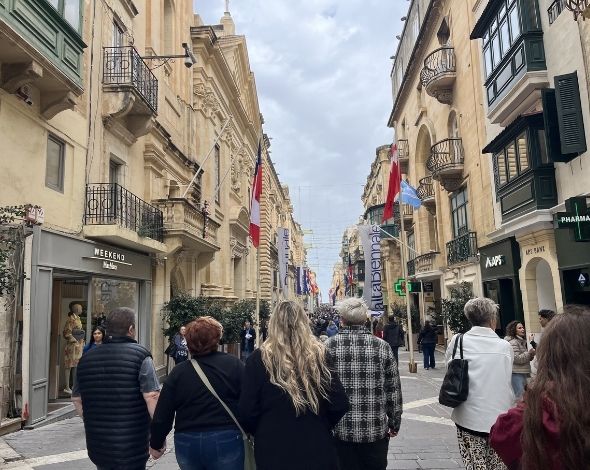
High rents are killing small retail businesses in Valletta, shop owner says
'When you have high rents with low margins, it’s no wonder so many retail shops are leaving Valletta,' she said