



A transport expert has raised concerns about the feasibility studies behind Malta’s proposed underground metro systems, warning that too many assumptions and missing cost considerations make it difficult to properly assess whether such megaprojects are realistic.
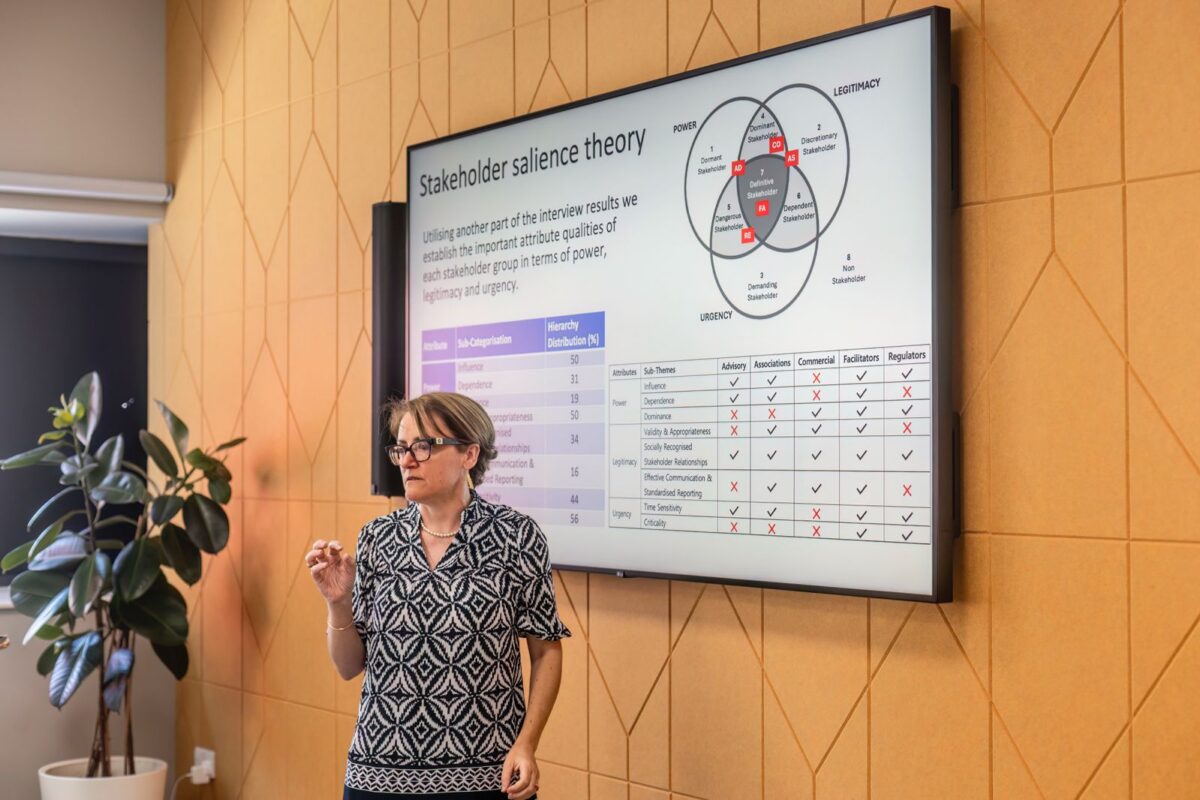
Speaking to BusinessNow.mt, Head of Geography and Director of the Institute for Climate Change and Sustainable Development at the University of Malta Maria Attard said there is still not enough publicly available information from either political party to make an “educated guess” on whether the transport proposals being put forward are viable.
Her comments come amid debate over mass transportation projects in Malta following the Nationalist Party’s proposal for a scaled-down metro system as part of its electoral campaign.
The PN’s proposal centres around one metro line rather than the three-line network previously studied by the Government. According to the party’s projections, the first line would cost around €1.4 billion, with approximately 30 per cent of the funding expected to come from European Union funds. The PN has also said it would seek financing through various financial instruments and the Malta Development Bank.
The debate over affordability intensified after a study linked to the previously proposed underground metro system revealed the significant strain such a project could place on public finances. Depending on the financing model adopted, consultants PwC estimated that Malta’s government deficit in a single year could have risen to between 7.2 per cent and 8.2 per cent, well above the European Union’s 3 per cent GDP threshold.
Finance Minister Clyde Caruana had previously warned that plans for a mass transportation system could hurt Malta financially, while Transport Minister Chris Bonett recently acknowledged that escalating costs had rendered the original underground metro proposal unaffordable.
Professor Attard said her main concern is not only the lack of technical detail, but also the extent to which broader transport and land-use planning considerations have been factored into the proposals.
“My take on feasibility is that not enough details have been published by both parties to make an educated guess as to whether what is being proposed is correct and whether all related factors have been taken into account, not only engineering and technology, but also transport and land use planning,” she said.
She pointed specifically to what she described as excessive reliance on assumptions in the supporting documentation.
“I am more concerned about the last page of the presentation, which basically describes how the numbers are based on a lot of assumptions and many costs have not been taken into consideration,” she added.
Professor Attard also noted that international research into major transport infrastructure projects frequently points to underestimations in costs, timelines, impacts and expected benefits.
She referenced wider literature on megaprojects and said such concerns are not unique to Malta.
“A lot of the studies that have looked at major transport projects find that these projects are heavily underestimated in terms of costs, delivery, impacts and benefits,” she explained.
She also drew parallels with past debates surrounding the proposed Malta-Gozo tunnel, saying similar issues emerged in relation to the assumptions used to support that project.
“Many years ago I had written about the Malta-Gozo tunnel. Same problems if you see the study assumptions that were used to support the proposal,” she said.
Professor Attard stressed that she remains cautious about endorsing large-scale infrastructure schemes until more detailed and transparent studies are published.
“I await studies that do not contain small print saying ‘but we didn’t take into consideration this and that’ and other similarly concerning text about accuracy,” she said.
While acknowledging the need to improve mobility in Malta, she said she would rather see “more realistic, short-term measures” aimed at improving quality of life and encouraging behavioural change, rather than pursuing costly megaprojects.
Prof Attard had previously called the choice to opt for a metro over an improvement in the bus system, on the basis that the latter could impact parking provision, as "beyond belief".
Featured Image:
PN’s metro proposal render / pn.org.mt


Delta’s Malta-New York route records 84% seat load factor as 2027 extension discussed
The flights began operating in June with three weekly flights

MDA welcomes proposed stamp duty relief on parent-to-child property transfers
The MDA said that this measure would help families plan how to pass property on to the next generation
Housing and household equipment register the highest annual inflation rates in August
The overall increase in the inflation rate was largely due to the higher prices of takeaways, tiles and land transport