



Malta’s 15-year-old students performed below the OECD average in mathematics, reading and science in the OECD’s Programme for International Student Assessment (PISA) 2025. Performance declined in all three subjects compared with 2022.
In reading and science, Malta’s performance was lower than in every previous PISA assessment before 2022, according to the OECD.
In mathematics, 56 per cent of students in Malta reached at least Level 2 proficiency, compared with 65 per cent across the OECD.
In reading, 52 per cent of Maltese students reached at least Level 2, compared with 69 per cent across the OECD.
In science, 63 per cent reached at least Level 2, compared with an OECD average of 74 per cent.
At the highest proficiency levels, 5 per cent of Maltese students were top performers in mathematics, compared with 8 per cent across the OECD. In science, 5 per cent were top performers, compared with 7 per cent across the OECD. In reading, 2 per cent were top performers, compared with 6 per cent across the OECD.
The proportion of Maltese students performing below Level 2 has increased since 2015.
In mathematics, it rose by 15 percentage points. In reading, it increased by 12 percentage points, while in science it increased by four percentage points.
The OECD defines Level 2 as the baseline level of proficiency at which students begin to demonstrate the knowledge and skills needed to participate effectively and productively in everyday life.
The report also notes that 56 per cent of Maltese students said they used AI chatbots to help them learn at least once a week, compared with 46 per cent across the OECD.
Some 91 per cent of Maltese students reported using AI chatbots for at least one of the schoolwork activities covered by the survey.
The PISA survey also asked students about the classroom environment during science lessons.
In Malta, 43 per cent of students said noise and disorder disrupted most or every science lesson, compared with 31 per cent across the OECD.
Some 42 per cent said classmates did not listen to what the teacher said, compared with 29 per cent across the OECD.
At the same time, 78 per cent of Maltese students said that, in most science lessons, their teacher showed an interest in every student’s learning. This was higher than the OECD average.

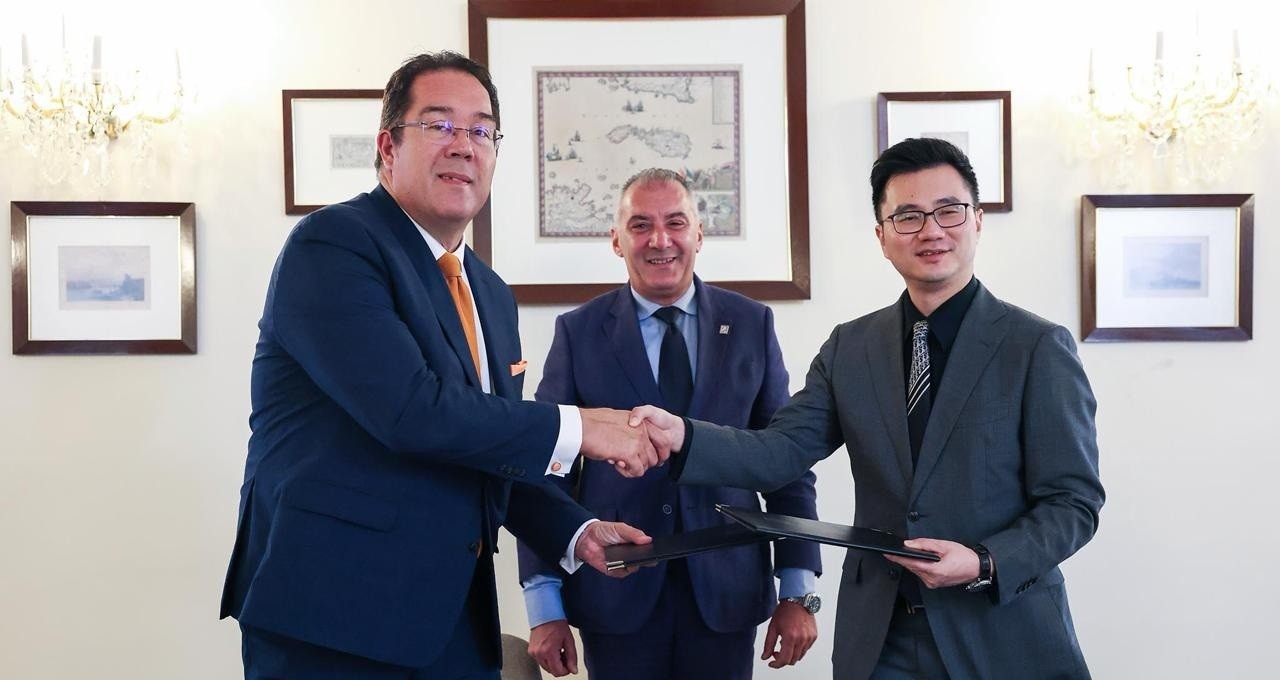
Malta looks to China and Asia to diversify tourism markets
The partnership aims to promote Malta, diversify its tourism offering and boost sustainability

Strong demand for Malta Government Stocks as offers reach €617 million
The Government had initially authorised an issue of €300 million
Employers call for ‘decisive’ shift in public spending ahead of Budget 2027
The upcoming Budget 'must be judged' on its capacity to deliver long-term transformation, not just sustain short-term consumption