


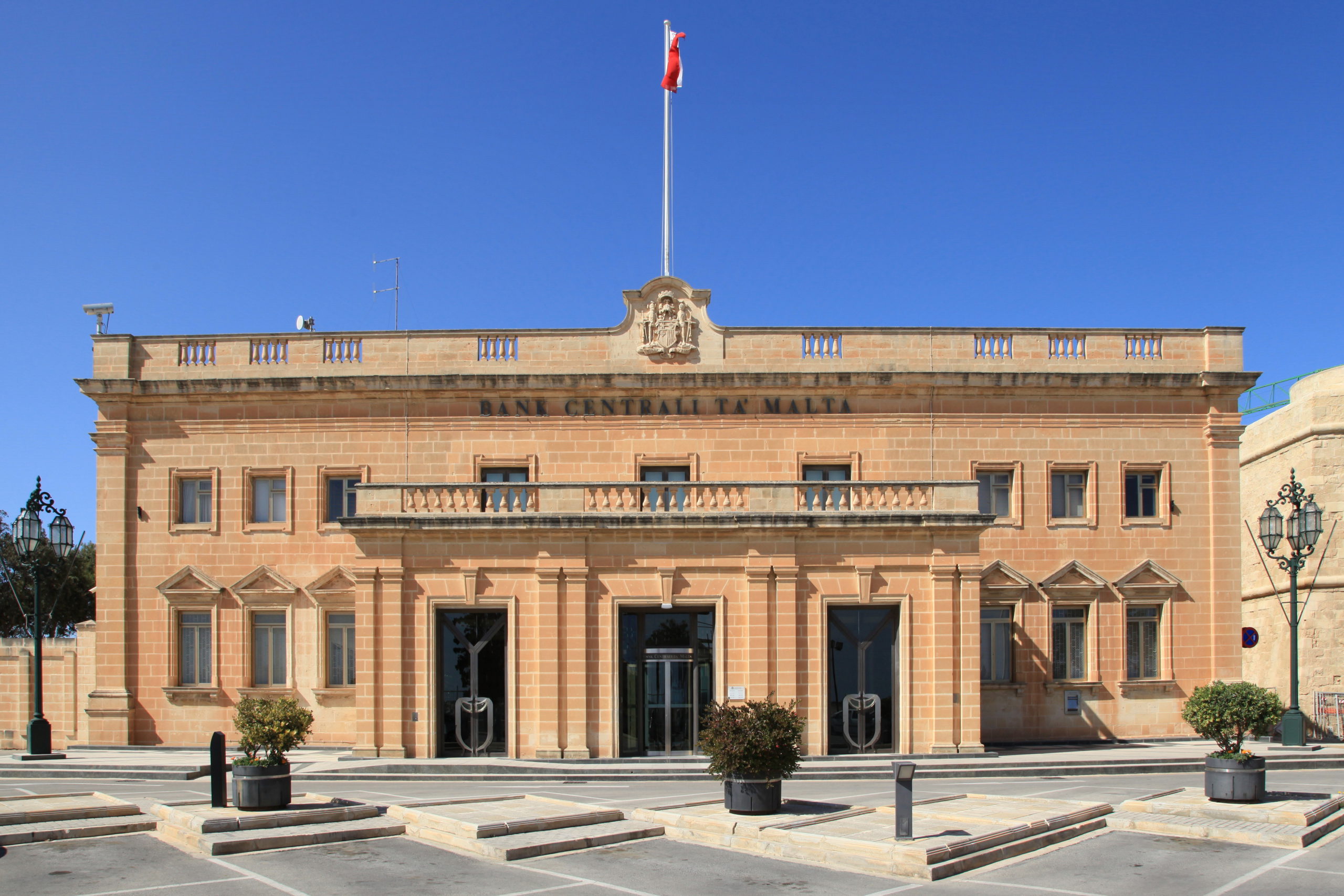
The Central Bank of Malta has revised its 2025 GDP growth forecast upwards to four per cent, reflecting stronger domestic demand and net exports. However, while the economy remains resilient, the overall growth trend is set to moderate in the coming years, reaching 3.3 per cent by 2027.
Private consumption is expected to be a key driver, fuelled by tax reductions and stable employment rates. However, the contribution of net exports to GDP will gradually decline. The unemployment rate is projected to settle at three per cent, reflecting a still-tight labour market, while wage growth is expected to ease from sic per cent in 2024 to 3.5 per cent in 2027, reducing pressure on business costs.
Inflation is forecast to continue its downward trend, reaching two per cent by 2027, while the Government deficit-to-GDP ratio is projected to improve, dropping below three per cent after 2025. However, risks remain, particularly related to global trade uncertainties, geopolitical tensions, and potential fiscal pressures.
Despite these challenges, Malta’s economic fundamentals remain strong. Businesses can expect a stable environment for investment, with opportunities arising in sectors benefiting from consumer-driven growth and increasing private investment.

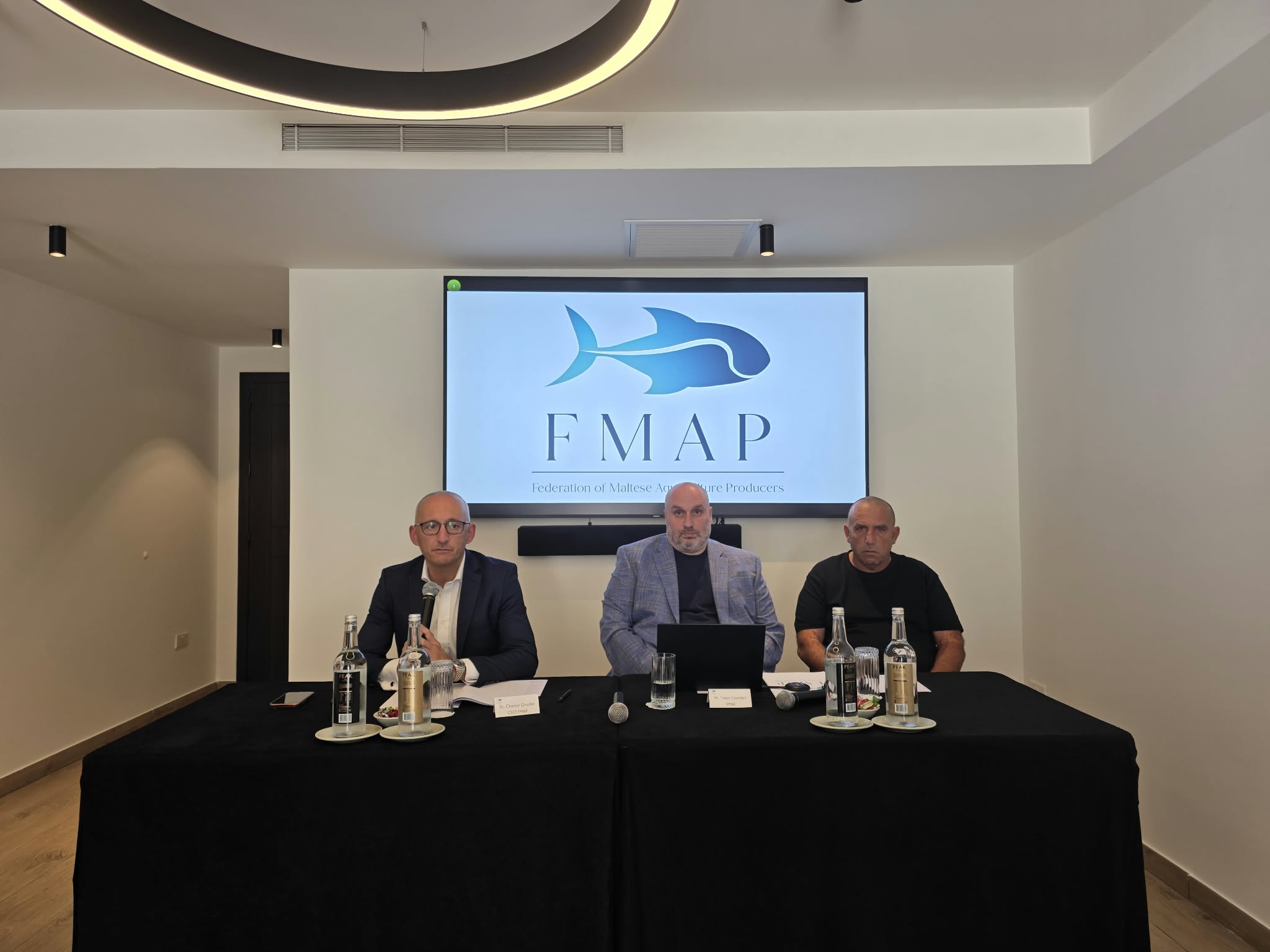
Aquaculture federation CEO hails cleanup campaign a success as 25,500 litres of oily liquid collected
Charlon Gouder said the industry had registered a notable improvement in coastal water conditions this summer

PA orders immediate removal of unauthorised structure outside Piccolo Padre in Sliema
The restaurant is owned by Carlo Stivala and is the first expansion since it was set up in Balluta

High rents are killing small retail businesses in Valletta, shop owner says
'When you have high rents with low margins, it’s no wonder so many retail shops are leaving Valletta,' she said